Coupling Applications
Coupling selection changes with the machine duty. Pumps, compressors, agricultural drives, automation equipment and general industrial machinery can impose different combinations of torque, speed, shock, alignment and environmental requirements.
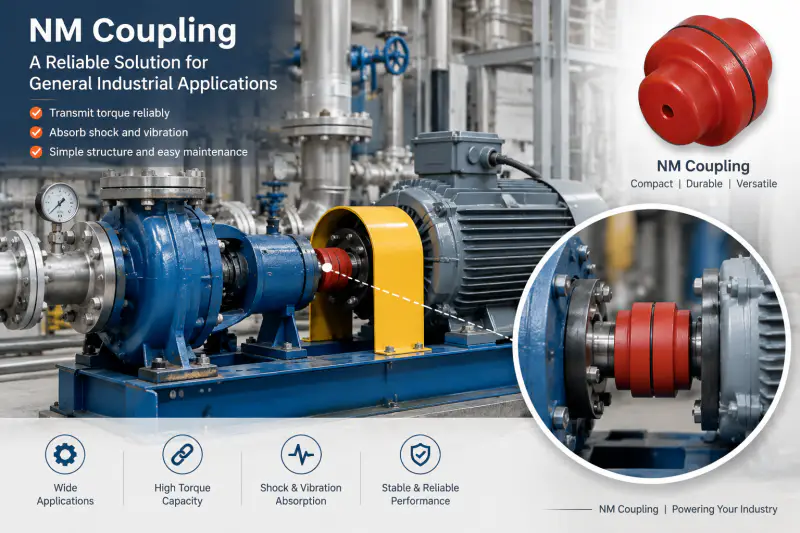
Application Overview
Start from the actual drive data. A machine name is only the first clue; two compressors or pumps of the same general type can have different motor power, speed, start frequency, shaft sizes and transient loads. Review torque, bore, speed, alignment, temperature, oil exposure and maintenance access together.
Application Grid
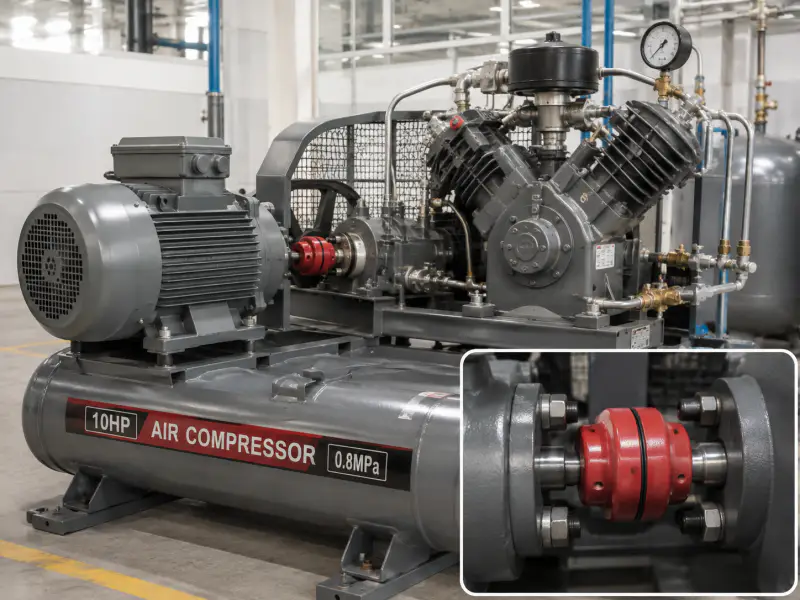
เครื่องอัดอากาศ
Review start load, vibration, shaft sizes and operating speed.
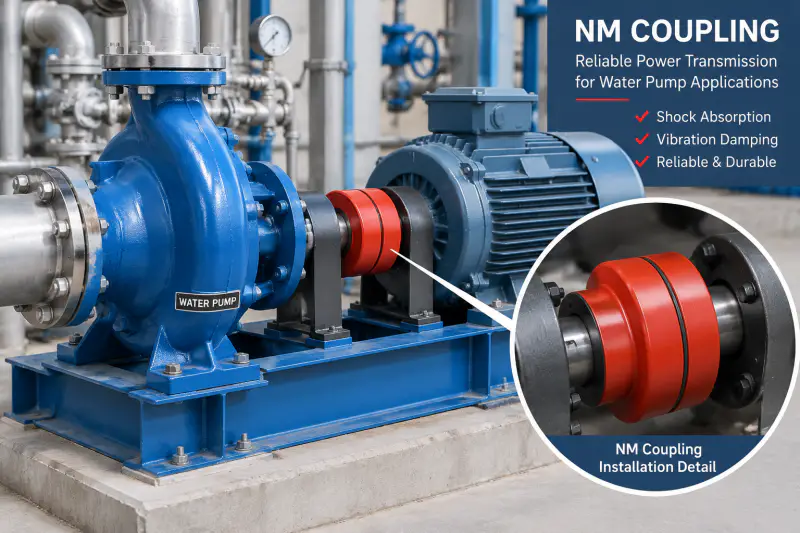
ปั๊มน้ำ
Check motor/pump shaft sizes, alignment, speed and service duty.
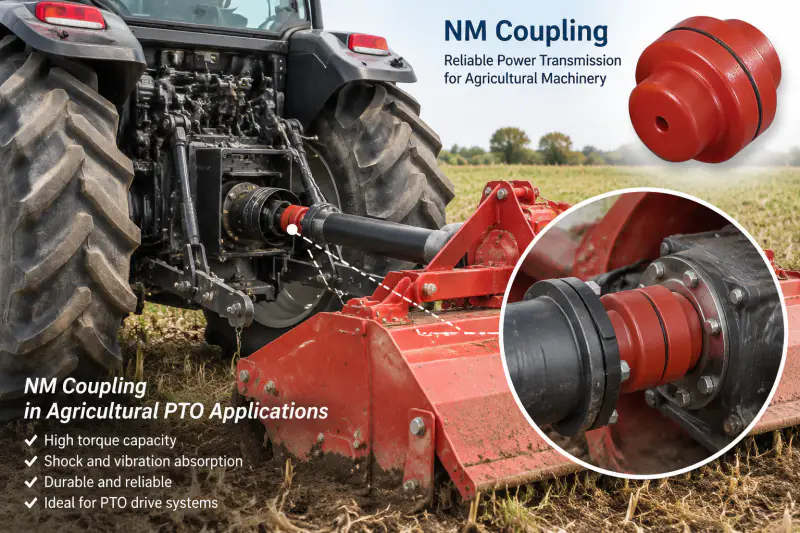
เครื่องจักรกลการเกษตร
Account for shock, dirt, variable load and field maintenance.
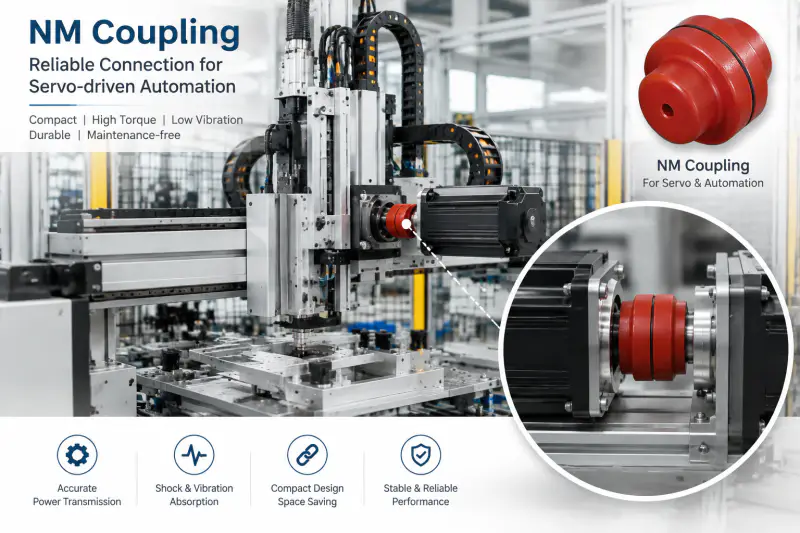
อุปกรณ์อัตโนมัติและเซอร์โว
Confirm positioning behavior and whether backlash is acceptable.
เครื่องจักรกลอุตสาหกรรมทั่วไป
Use complete torque, bore and speed data instead of model appearance alone.
Selection Tips
- Calculate or provide the real transmitted torque.
- Check both shaft diameters against the selected hub geometry.
- Use a suitable service margin for start/stop and shock events.
- Confirm operating speed against the selected size.
- Review temperature, oil, chemicals, dust and guarding access.
Common Pain Points
Frequent issues include coupling selection by shaft size only, ignoring starting torque, using the coupling to mask poor machine alignment, selecting an elastomer without checking temperature or oil exposure, and leaving insufficient hub or guard clearance. A complete RFQ helps separate these issues before production.