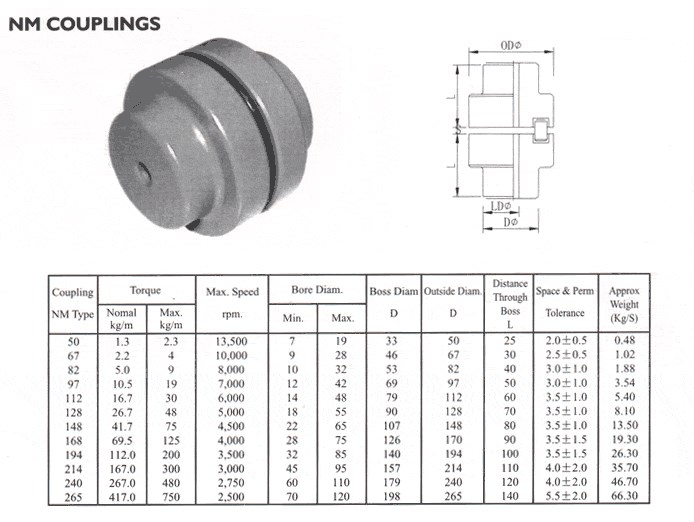
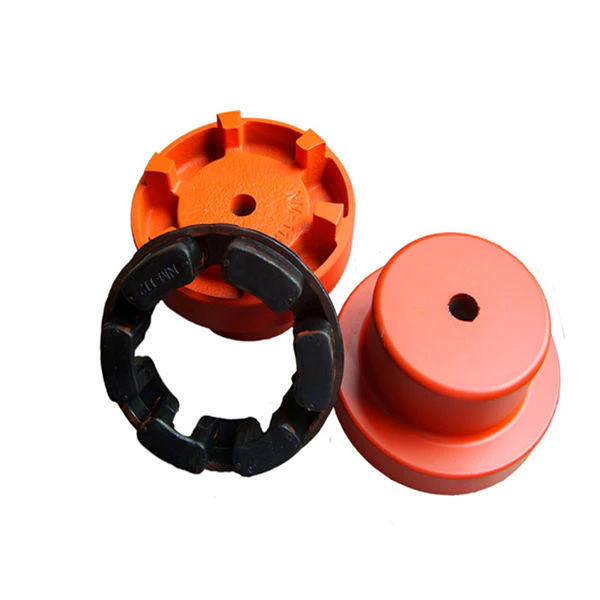
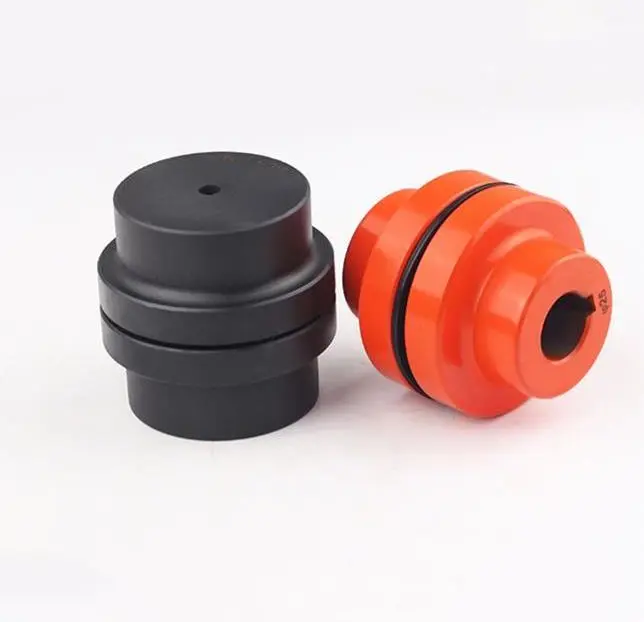
บริษัท เอเวอร์-พาวเวอร์ เอ็นเอ็ม คัปปลิง จำกัดโซลูชั่นข้อต่อแบบยืดหยุ่น NM
อีเมลฝ่ายขาย[email protected]

คำอธิบายผลิตภัณฑ์

Fiber Optic Splitter Product Name

16 way pon fiber optic plitter fiber to fiber coupling

Fiber Optic Splitter Description:

PLC-Planar Lightwave Circuit Splitter is a kind of power splitter based on the integrated quartz baseplate.
Single Mode PLC 1×N and 2×N Splitter divide uniformly optical signals from 1 or 2 inputs to multiple
outputs, and spliter can be operated in reverse direction to combine multiple signals into fiber or 2 fibers.

Fiber Optic Splitter Features:
Low Insertion loss
Low PDL
Compact Design
Good channel-to-channel uniformity
Wide Operating Wavelength: From 1260nm to 1650nm
Wide Operating Temperature:From -40ºC to 85ºC
High Reliability and Stability

Fiber Optic Splitter Applications 
FTTX Systems
PON Networks
CATV Links
Optical Signal Distribution

Fiber Optic Splitter Compliance 
Telcordia GR-1209-CORE
Telcordia GR-1221-CORE
RoHS
 
Fiber Optic Splitter Specifications

Table 1 – 1×N PLC Splitter
 

Parameters 1×2 1×4 1×8 1×16 1×32 1×64
Operating Wavelength (nm)     1260~1650    
Fiber Type     G657A or customer specified  
Insertion Loss (dB)(P/S Grade) 3.8/4.0 7.1/7.3 10.2/10.5 13.5/13.7 16.5/16.9 20.5/21.0
Loss Uniformity (dB) 0.4 0.6 0.8 1.2 1.5 2.0
Return Loss (dB) 55 55 55 55 55 55
Polarization Dependent Loss(dB) 0.2 0.2 0.2 0.25 0.3 0.35
Directivity (dB) 55 55 55 55 55 55
Wavelength Dependent Loss(dB) 0.3 0.3 0.3 0.5 0.5 0.5
Temperature Stability(-40~85 0.4 0.4 0.4 0.5 0.5 0.5
ºC)(dB)
           
Operating Temperature (ºC)     -40~85    
Storage Temperature (ºC)     -40~85    
Device Dimension (mm) 40×4×4 40×4×4 40×4×4 50×4×4 50×7×4 60×12×4
(L×W×H)
           
Module Dimension (mm) 100×80×10 100×80×10 100×80×10 120×80×18 140×115×18 140×115×18
(L×W×H)
           
Mini-Module Dimension (mm) 50×7×4 50×7×4 60×7×4 60×12×4 80×20×6 N/A
(L×W×H)
           
Table 2 – 2×N PLC Splitter            
Parameters 2×2 2×4 2×8 2×16 2×32 2×64
Operating Wavelength (nm)     1260~1650    
Fiber Type     G657A or customer specified  
Insertion Loss (dB) 4.0 7.6 11.0 14.4 17.5 21.0
Loss Uniformity (dB) 0.6 1.0 1.2 1.5 1.8 2.2
Return Loss (dB) 55 55 55 55 55 55
Polarization Dependent Loss(dB) 0.2 0.2 0.3 0.3 0.4 0.4
Directivity (dB) 55 55 55 55 55 55

 
Notes:
 
Specified without connectors.
Add an additional 0.15dB loss per connector.

FQA :

1. Q: Are you a manufacturer?
A: yes, we are a manufacturer , FTTH solution and data center total solution provider in HangZhou, China, established in 2000.

2. Q: What’s your MOQ?
A: MOQ can be 1 pcs, but the price is not competitive.More quantity,the price will be more competitive.

3. Q: Can you quote FOB price?
A: yes. We can delivery by air, DHL, TNT, UPC, FEDEX, etc. For big quantity we will deliver it by sea.

We can quote price with freight and lead time for you, after you let us know detailed requirements with quantity.

We have competitive shipping forwarders. For more solutions, you can feel free to contact us.

4. Q: How is your quality?
A: Our production is according to IEC, Europe standard. CE, ISO, RoHS, CPR, and ANATEL certified.

All the products are 100% test before delivery.

5. Q: What’s your lead time?
A: It depends on the quantity and products. For fiber optic patch cord, the lead time can be 2 -3 working days within 5000 pcs. We keep the regular products in stock. Also, we can deal with urgent orders.

6. Q: What’s your warranty?
A: Depends 1 different product, we have1 years warranty for patch cord since delivery, but only responsible for non-artificial damage. For artificial damage, we can repair it for you for free, freight will be paid by your side.

7. Q: What’s your packing?
A: International export standard package.If you need to print your logo on the packing, please let us know before we quote.

8. Q: Can you offer OEM/ODM?
A: yes, we can. all products accept OEM /ODM. we can CHINAMFG the Confidentiality Agreement.

9. Q: Can I have a sample?
A: It depends on which products, Free sample provide under 10 usd. Freight will be paid by buyer before delivery.

10. Q: How can I order?
A:1.send mail or inquiries with product name, specification, and quantity  to us . Provide your receive address if you need FOB,CIF,CFR price.

2.We will offer our quotation with lead time.

3.After the quotation confirmed, we will send a PI with our bank account.

4.Production will be arranged after the payment received.

5.Confirm the consignee with you before we deliver it.

6.The tracking number will be provided after the delivery.

11. Q: What your payment term?
A: T/T, Western Union, Paypal, MoneyGram at once. For big amounts, can be 50% deposit in advance, 50% balance paid before delivery.

Workshop:

Certificates:

ISO9001, ISO1400, CE, RoHS, CPR, ANATEL certified

Exhibitions:

OFC, CommunicAsia, ECOC, Netcom, SVIAZ ICT, AFRICACOM, CAIRO ICT, etc. 

ค่าจัดส่ง:

ค่าขนส่งโดยประมาณต่อหน่วย


อยู่ระหว่างการเจรจา
พิมพ์: Fiber Optic Splitter&Coupler
Wiring Devices: ODF
การรับรอง: CE, ISO, RoHS, GS
ตัวอย่าง:
US$ 10 ชิ้น/ชิ้น
1 ชิ้น (สั่งขั้นต่ำ)

|

สั่งซื้อตัวอย่าง

การปรับแต่ง:
มีอยู่

|

คำขอที่กำหนดเอง

China best 16 Way Pon Fiber Optic Plitter Fiber to Fiber Coupling  nm couplimg

การเชื่อมต่อนาโนเมตร

How does a flexible coupling handle angular, parallel, and axial misalignment?

A flexible coupling is designed to accommodate various types of misalignment between two rotating shafts: angular misalignment, parallel misalignment, and axial misalignment. The flexibility of the coupling allows it to maintain a connection between the shafts while compensating for these misalignment types. Here’s how a flexible coupling handles each type of misalignment:

  • การจัดเรียงเชิงมุมที่ไม่ตรงกัน: Angular misalignment occurs when the axes of the two shafts are not collinear and form an angle with each other. Flexible couplings can handle angular misalignment by incorporating an element that can flex and bend. One common design is the “spider” or “jaw” element, which consists of elastomeric materials. As the shafts are misaligned, the elastomeric element can deform slightly, allowing the coupling to accommodate the angular offset between the shafts while still transmitting torque.
  • การเยื้องแนวขนานที่ไม่ตรงกัน: Parallel misalignment, also known as offset misalignment, occurs when the axes of the two shafts are parallel but not perfectly aligned with each other. Flexible couplings can handle parallel misalignment through the same elastomeric element. The flexible nature of the element enables it to shift and adjust to the offset between the shafts, ensuring continuous power transmission while minimizing additional stresses on the machinery.
  • การเบี่ยงเบนตามแนวแกน: Axial misalignment, also called end-play misalignment, occurs when the two shafts move closer together or farther apart along their common axis. Flexible couplings can handle axial misalignment through specific designs that allow limited axial movement. For instance, some couplings use slotted holes or a floating member that permits axial displacement while maintaining the connection between the shafts.

By providing the capability to handle angular, parallel, and axial misalignment, flexible couplings offer several advantages for power transmission systems:

  • They help to prevent premature wear and damage to the connected equipment, reducing maintenance and replacement costs.
  • They minimize vibration and shock loads, enhancing the overall smoothness and reliability of the machinery.
  • They reduce the risk of equipment failure due to misalignment-induced stresses, improving the system’s operational life.
  • They allow for easier installation and alignment adjustments, saving time and effort during setup and maintenance.

Overall, flexible couplings play a crucial role in handling misalignment and ensuring efficient power transmission in various industrial applications.

การเชื่อมต่อนาโนเมตร

ข้อต่อแบบยืดหยุ่นมีบทบาทอย่างไรในการลดเวลาหยุดทำงานและค่าใช้จ่ายในการบำรุงรักษา?

ข้อต่อแบบยืดหยุ่นมีบทบาทสำคัญในการลดเวลาหยุดทำงานและค่าใช้จ่ายในการบำรุงรักษาในเครื่องจักรและอุปกรณ์หมุนในอุตสาหกรรม ต่อไปนี้คือวิธีสำคัญที่ข้อต่อแบบยืดหยุ่นช่วยให้เกิดประโยชน์เหล่านี้:

  • การชดเชยความคลาดเคลื่อน: หน้าที่หลักอย่างหนึ่งของข้อต่อแบบยืดหยุ่นคือการรองรับการเยื้องศูนย์ระหว่างเพลาสองตัวที่เชื่อมต่อกัน การเยื้องศูนย์อาจเกิดขึ้นได้จากหลายปัจจัย เช่น การขยายตัวเนื่องจากความร้อน การทรุดตัวของฐานราก หรือความคลาดเคลื่อนในการผลิต การที่ข้อต่อแบบยืดหยุ่นยอมให้มีการเยื้องศูนย์ได้ จะช่วยลดการส่งผ่านแรงและแรงเค้นที่เป็นอันตรายไปยังชิ้นส่วนที่เชื่อมต่อ ลดการสึกหรอ และป้องกันความเสียหายก่อนกำหนดที่อาจนำไปสู่การหยุดทำงานและการซ่อมแซมที่เสียค่าใช้จ่ายสูง
  • การลดแรงสั่นสะเทือน: ข้อต่อแบบยืดหยุ่นมีคุณสมบัติในการลดแรงสั่นสะเทือนโดยธรรมชาติ เนื่องจากมีส่วนประกอบที่เป็นยางยืดหรือยืดหยุ่นได้ ส่วนประกอบเหล่านี้จะดูดซับและกระจายแรงสั่นสะเทือนและแรงกระแทกที่อาจเกิดขึ้นจากการทำงานของเครื่องจักรหมุน ด้วยการลดแรงสั่นสะเทือน ข้อต่อแบบยืดหยุ่นจึงช่วยปกป้องอุปกรณ์ที่เชื่อมต่อจากการสึกหรอและความล้ามากเกินไป ยืดอายุการใช้งาน และลดความจำเป็นในการบำรุงรักษาหรือเปลี่ยนชิ้นส่วนบ่อยครั้ง
  • การดูดซับแรงกระแทก: ในงานที่ต้องรับแรงกระแทกหรือแรงสั่นสะเทือนอย่างฉับพลันบ่อยครั้ง เช่น ในเครื่องจักรหนักหรืออุปกรณ์ความเร็วสูง ข้อต่อแบบยืดหยุ่นจะทำหน้าที่เป็นตัวดูดซับแรงกระแทก สามารถดูดซับและกระจายพลังงานจากการกระแทก ป้องกันความเสียหายต่อเครื่องจักร และลดเวลาหยุดทำงานที่เกิดจากความล้มเหลวหรือการชำรุดที่ไม่ได้คาดคิด
  • ติดตั้งและจัดวางได้ง่าย: ข้อต่อแบบยืดหยุ่นได้รับการออกแบบมาเพื่อให้ติดตั้งและจัดแนวได้ง่าย ต่างจากข้อต่อแบบแข็งที่ต้องการการจัดแนวเพลาที่แม่นยำ ข้อต่อแบบยืดหยุ่นสามารถทนต่อการเยื้องศูนย์ได้ในระดับหนึ่งระหว่างการติดตั้ง คุณสมบัตินี้ช่วยลดความซับซ้อนของกระบวนการติดตั้ง ลดเวลาในการติดตั้ง และลดความเสี่ยงของปัญหาที่เกี่ยวข้องกับการเยื้องศูนย์ ซึ่งท้ายที่สุดแล้วจะช่วยลดเวลาหยุดทำงานระหว่างการติดตั้งครั้งแรกหรือการเปลี่ยนข้อต่อ
  • ลดความถี่ในการบำรุงรักษา: ความสามารถของข้อต่อแบบยืดหยุ่นในการรับมือกับการเยื้องศูนย์และลดแรงสั่นสะเทือน ส่งผลให้การสึกหรอของตลับลูกปืน ซีล และชิ้นส่วนที่เชื่อมต่ออื่นๆ ลดลง ด้วยเหตุนี้ จึงสามารถยืดระยะเวลาการบำรุงรักษาออกไปได้ ลดความจำเป็นในการตรวจสอบและเปลี่ยนชิ้นส่วนบ่อยครั้ง ซึ่งส่งผลโดยตรงต่อต้นทุนการบำรุงรักษาที่ต่ำลงและเวลาหยุดทำงานเพื่อการบำรุงรักษาที่น้อยลง
  • การป้องกันอุปกรณ์: ข้อต่อแบบยืดหยุ่นช่วยลดการส่งผ่านแรงกระแทกและการสั่นสะเทือน จึงทำหน้าที่เป็นเกราะป้องกันอุปกรณ์ที่เชื่อมต่อ ช่วยป้องกันความเสียหายร้ายแรงและผลที่ตามมาต่อเครื่องจักรราคาแพง หลีกเลี่ยงการหยุดทำงานโดยไม่คาดคิดและการซ่อมแซมที่มีค่าใช้จ่ายสูง

โดยรวมแล้ว ข้อต่อแบบยืดหยุ่นเป็นส่วนประกอบสำคัญที่ช่วยเพิ่มความน่าเชื่อถือและอายุการใช้งานของอุปกรณ์หมุน ความสามารถในการรับมือกับการเยื้องศูนย์ ลดแรงสั่นสะเทือน และป้องกันแรงกระแทก ช่วยลดเวลาหยุดทำงาน ลดต้นทุนการบำรุงรักษา และเพิ่มผลผลิตในงานอุตสาหกรรม

การเชื่อมต่อนาโนเมตร

Can you explain the different types of flexible coupling designs available?

There are several types of flexible coupling designs available, each with its unique construction and characteristics. These designs are tailored to meet specific application requirements and address different types of misalignment and torque transmission needs. Here are some of the most common types of flexible couplings:

  • Jaw Couplings: Jaw couplings consist of two hubs with curved jaws and an elastomer spider placed between them. The spider acts as a flexible element and can compensate for angular and parallel misalignment. Jaw couplings are widely used in various industrial applications due to their simple design and effectiveness in handling misalignment and vibration damping.
  • ข้อต่อแบบจาน: Disc couplings use thin metallic discs with a series of alternating slits and flanges to connect the shafts. The disc coupling design allows for excellent misalignment compensation, including angular, parallel, and axial misalignment. Disc couplings are known for their high torsional stiffness and precise torque transmission capabilities.
  • ข้อต่อเกียร์: Gear couplings consist of toothed hubs connected by an external sleeve with gear teeth. They are well-suited for applications with high torque and moderate misalignment. Gear couplings offer good misalignment compensation and high torque capacity, making them popular in heavy-duty industrial applications.
  • Beam Couplings: Beam couplings use a single piece of flexible material, often a metal beam, to connect the shafts. The material’s flexibility allows for angular and axial misalignment compensation. Beam couplings are compact, lightweight, and provide low inertia, making them suitable for applications with high-speed requirements.
  • Bellows Couplings: Bellows couplings consist of a bellows-like flexible structure that connects the two hubs. They can compensate for angular, parallel, and axial misalignment. Bellows couplings are known for their high torsional stiffness and ability to maintain constant velocity transmission.
  • ข้อต่อโอลด์แฮม: Oldham couplings use three discs, with the middle one having a perpendicular slot. This design allows for angular misalignment compensation while transmitting torque between the hubs. Oldham couplings are often used when electrical isolation between shafts is required.

Each flexible coupling design has its strengths and limitations, and the choice depends on factors such as the application’s torque requirements, misalignment conditions, operating environment, and speed. Proper selection of the coupling type ensures optimal performance, efficiency, and reliability in various mechanical systems and rotating machinery.

China best 16 Way Pon Fiber Optic Plitter Fiber to Fiber Coupling  nm couplimgChina best 16 Way Pon Fiber Optic Plitter Fiber to Fiber Coupling  nm couplimg
editor by CX 2023-09-29