Produktbeskrivelse
EMT TO BX OR NM CABLE COMBINATION COUPLING
SET SCRW TO CLAMP TYPE
Standard: UL
Material: Zinc Alloy
Size: 1/2″-3/8″
Finishing: Polishing
Joins EMT conduit to non-metallic sheathed calbe
Tri-drive set screw feature
Corrosion resistant
| Forbindelse: | Female |
|---|---|
| Struktur: | Vertical |
| Flexible or Rigid: | Rigid |
| Prøver: |
US$ 0/Stykke
1 stk (min. bestilling) | Order Sample |
|---|
| Tilpasning: |
Tilgjengelig
| Tilpasset forespørsel |
|---|
.shipping-cost-tm .tm-status-off{background: none;padding:0;color: #1470cc}
|
Shipping Cost:
Estimated freight per unit. |
about shipping cost and estimated delivery time. |
|---|
| Payment Method: |
|
|---|---|
|
Initial Payment Full Payment |
| Currency: | US$ |
|---|
| Return&refunds: | You can apply for a refund up to 30 days after receipt of the products. |
|---|
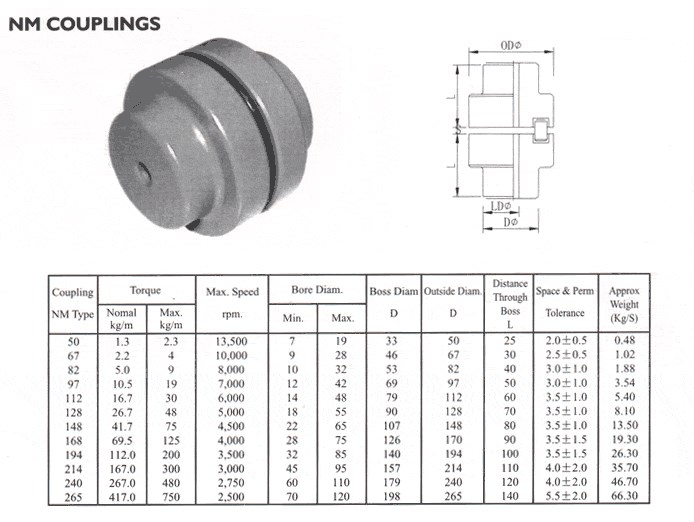
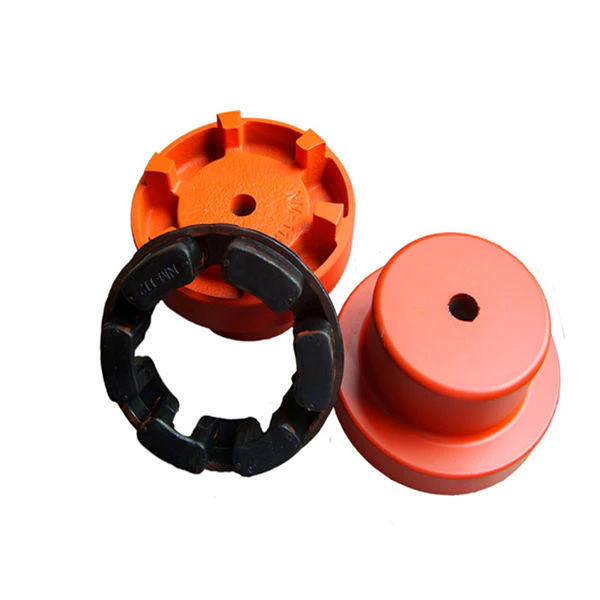
How does a flexible coupling handle angular, parallel, and axial misalignment?
A flexible coupling is designed to accommodate various types of misalignment between two rotating shafts: angular misalignment, parallel misalignment, and axial misalignment. The flexibility of the coupling allows it to maintain a connection between the shafts while compensating for these misalignment types. Here’s how a flexible coupling handles each type of misalignment:
- Angular Misalignment: Angular misalignment occurs when the axes of the two shafts are not collinear and form an angle with each other. Flexible couplings can handle angular misalignment by incorporating an element that can flex and bend. One common design is the “spider” or “jaw” element, which consists of elastomeric materials. As the shafts are misaligned, the elastomeric element can deform slightly, allowing the coupling to accommodate the angular offset between the shafts while still transmitting torque.
- Parallel Misalignment: Parallel misalignment, also known as offset misalignment, occurs when the axes of the two shafts are parallel but not perfectly aligned with each other. Flexible couplings can handle parallel misalignment through the same elastomeric element. The flexible nature of the element enables it to shift and adjust to the offset between the shafts, ensuring continuous power transmission while minimizing additional stresses on the machinery.
- Axial Misalignment: Axial misalignment, also called end-play misalignment, occurs when the two shafts move closer together or farther apart along their common axis. Flexible couplings can handle axial misalignment through specific designs that allow limited axial movement. For instance, some couplings use slotted holes or a floating member that permits axial displacement while maintaining the connection between the shafts.
By providing the capability to handle angular, parallel, and axial misalignment, flexible couplings offer several advantages for power transmission systems:
- They help to prevent premature wear and damage to the connected equipment, reducing maintenance and replacement costs.
- They minimize vibration and shock loads, enhancing the overall smoothness and reliability of the machinery.
- They reduce the risk of equipment failure due to misalignment-induced stresses, improving the system’s operational life.
- They allow for easier installation and alignment adjustments, saving time and effort during setup and maintenance.
Overall, flexible couplings play a crucial role in handling misalignment and ensuring efficient power transmission in various industrial applications.
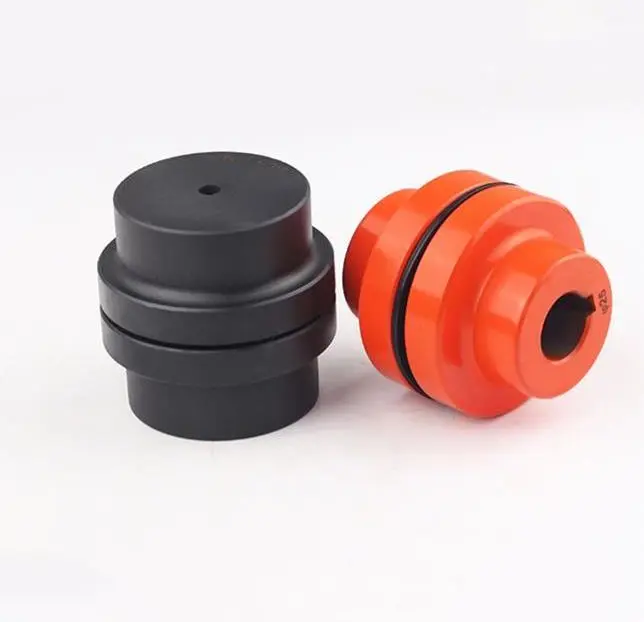
How does a flexible coupling affect the noise and vibration levels in a mechanical system?
A flexible coupling plays a crucial role in controlling noise and vibration levels in a mechanical system. It can significantly impact the overall smoothness and quietness of the system’s operation, contributing to enhanced performance and reduced wear on connected components.
Noise Reduction:
Flexible couplings help reduce noise in a mechanical system through their inherent ability to dampen vibrations. When the shafts of rotating machinery are not perfectly aligned, it can lead to vibrations that are transmitted throughout the system, resulting in noise generation. The elastomeric or flexible element of the coupling acts as a vibration dampener, absorbing and dissipating these vibrations. As a result, the noise levels in the system are reduced, creating a quieter operating environment.
Vibrasjonsdemping:
Vibrations in a mechanical system can lead to increased wear and tear on critical components, such as bearings, seals, and gears. Excessive vibrations can also cause resonance and damage to the system over time. Flexible couplings can effectively dampen vibrations by acting as a buffer between the driving and driven shafts. The flexible element absorbs the shock and vibrations, preventing them from propagating to other parts of the system. This vibration damping capability not only reduces noise but also protects the system from potential mechanical failures, extending the lifespan of the equipment.
Alignment Compensation:
Misalignment between shafts is a common cause of vibration and noise in rotating machinery. Flexible couplings excel at compensating for both angular and parallel misalignment. By accommodating misalignment, the coupling reduces the forces acting on the shafts and minimizes the generation of vibrations and noise. Proper alignment through the use of a flexible coupling ensures that the system operates smoothly and quietly.
Effect on Equipment Reliability:
Reducing noise and vibration levels has a positive impact on the reliability of connected equipment. Lower vibrations mean less stress on bearings and other rotating components, leading to extended component life and reduced maintenance requirements. A quieter operating environment can also be essential for certain applications, such as in laboratories or precision manufacturing processes, where excessive noise can interfere with delicate tasks or measurements.
Bruksområder:
Flexible couplings find application in a wide range of industries, such as manufacturing, power generation, material handling, automotive, aerospace, and robotics. They are commonly used in pumps, compressors, fans, conveyors, and other rotating machinery where noise and vibration control are critical for smooth and reliable operation.
Sammendrag:
A flexible coupling’s ability to reduce noise and dampen vibrations makes it an essential component in mechanical systems. By compensating for misalignment and providing vibration dampening properties, the flexible coupling enhances the overall system performance, reduces noise levels, and protects connected equipment from excessive wear and mechanical failures. Choosing the right type of flexible coupling based on the specific application requirements can have a significant impact on noise reduction and vibration control in the mechanical system.
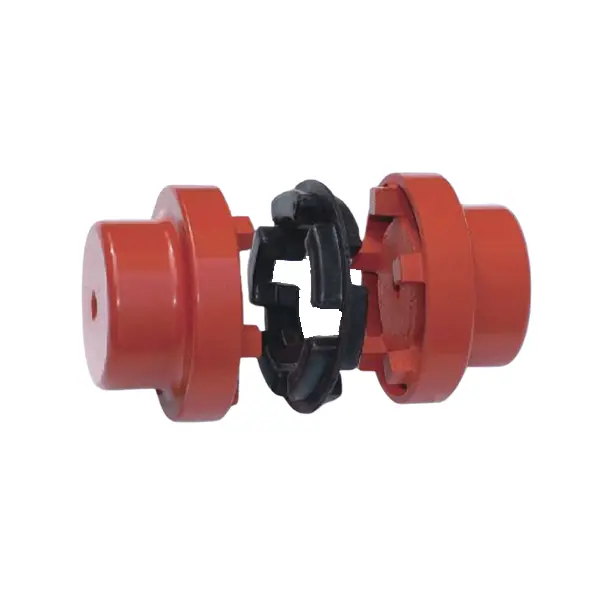
Hvilke materialer brukes vanligvis i produksjon av fleksible koblinger?
Fleksible koblinger produseres av en rekke materialer, som alle tilbyr forskjellige egenskaper og karakteristikker som passer for spesifikke bruksområder. Materialvalget avhenger av faktorer som bruksområdets krav, miljøforhold, momentkapasitet og ønsket fleksibilitet. Her er noen av de vanligste materialene som brukes i produksjon av fleksible koblinger:
- Stål: Stål er et mye brukt materiale i fleksible koblinger på grunn av dets styrke, holdbarhet og utmerkede momentoverføringsegenskaper. Stålkoblinger er egnet for tunge industrielle applikasjoner med høye momentkrav og tøffe driftsforhold.
- Rustfritt stål: Rustfritt stål brukes ofte til å produsere fleksible koblinger i miljøer med høyt korrosjonspotensial. Koblinger i rustfritt stål gir utmerket motstand mot rust og andre korrosive elementer, noe som gjør dem ideelle for marine, næringsmiddelindustrien og kjemisk industri.
- Aluminium: Aluminiumskoblinger er lette, har lav treghet og gir utmerket balanse. De brukes ofte i applikasjoner der vektreduksjon er kritisk, for eksempel innen luftfart og robotikk.
- Messing: Messingkoblinger er kjent for sin elektriske ledningsevne og brukes i applikasjoner der elektrisk jording eller elektrisk isolasjon er nødvendig, for eksempel i visse industrimaskiner eller elektronisk utstyr.
- Støpejern: Støpejernskoblinger gir god styrke og holdbarhet, og brukes ofte i industrielle applikasjoner der motstand mot støtbelastninger og vibrasjoner er nødvendig.
- Plast/Polymer: Noen fleksible koblinger bruker høypresterende polymerer eller plast, som polyuretan eller nylon. Disse materialene gir god fleksibilitet, lav friksjon og motstand mot kjemikalier. Plastkoblinger er egnet for bruksområder der korrosjonsbestandighet og lav vekt er avgjørende.
- Elastomerer: Elastomerer brukes som fleksible elementer i mange fleksible koblinger. Materialer som naturgummi, neopren eller uretan brukes ofte som elastomer-spiderelementer, noe som gir fleksibilitet og vibrasjonsdempende egenskaper.
Valg av koblingsmateriale avhenger av de spesifikke behovene til applikasjonen. For eksempel kan høyytelses- og tunglastapplikasjoner kreve koblinger i stål eller rustfritt stål for robusthetens skyld, mens applikasjoner der vektreduksjon er avgjørende kan dra nytte av koblinger i aluminium eller polymer. I tillegg påvirkes materialvalget av faktorer som temperaturområde, kjemisk eksponering og elektriske krav i applikasjonens driftsmiljø.
Produsenter oppgir vanligvis materialspesifikasjoner for koblingene sine, noe som hjelper brukerne med å ta informerte beslutninger basert på de spesifikke kravene til applikasjonene deres.


editor by CX 2023-11-27