产品描述
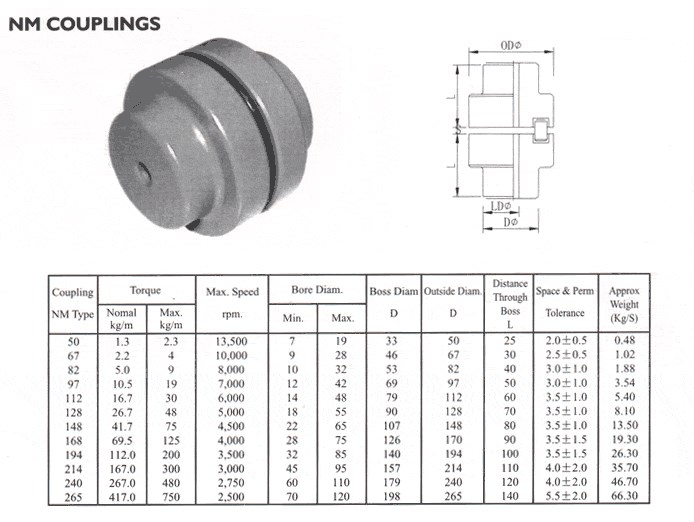
球墨铸铁 Nor-Mex 接头 尺寸 50/67/82/97/112/128/148/168/194/214/240/265/295/330/370/415/480/575
产品描述
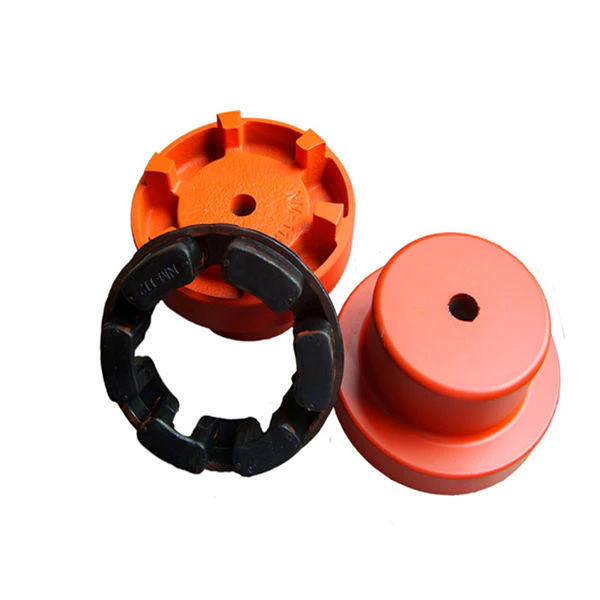
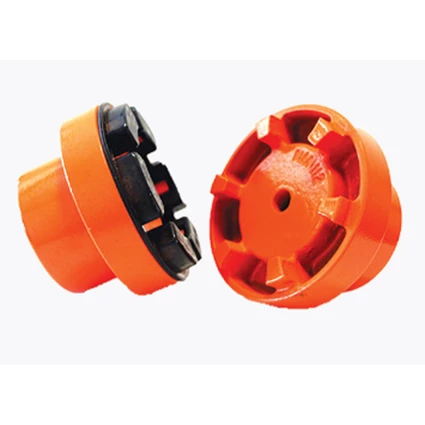
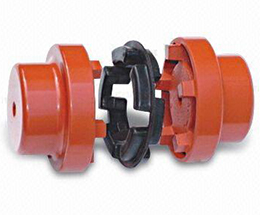
Mighty can produce full series of Normex couplings: NM 50, NM 67, NM 82, NM 97, NM 112, NM 128, NM 148, NM 168, NM 194, NM 214, NM 240, NM 265, NM 295, NM 330, NM 370, NM 415, NM 480, NM 575.
Material: cast iron GG25;
ore type: pilot bore, finished bore for set screw, bearing, keyway, taper bush;
Surface finish: phosphate coated.
我们公司
浙江迈特机械有限公司致力于为客户提供最好的服务和最具竞争力的价格。
经过十多年的努力,MIGHTY的业务发展迅速,已成为海外客户的重要合作伙伴。进入工业领域,成为拥有3家制造工厂的控股公司。
凭借技术优势和管理优势,MIGHTY的产品赢得了国内外客户的良好口碑。n质量好,价格极具竞争力。
您的满意是我们工作的最大动力,选择我们,即可获得高质量的产品和最好的服务。
我们的工厂
主要产品:
正时皮带轮正时杆、正时皮带夹紧板。
锁紧元件和收缩盘:可能是 Ringfeder、Sati、Chiaravalli、BEA、KBK、Tollok 等的替代品。
V型皮带轮和锥形锁紧衬套。
链轮惰轮和盘轮。
齿轮和齿条:正齿轮、斜齿轮、锥齿轮、蜗轮、齿条。
轴联器微型联轴器、弯齿联轴器、链式联轴器、HRC联轴器、诺梅克斯联轴器、FCL联轴器、GE联轴器、刚挠性联轴器、爪式联轴器、盘式联轴器、多梁联轴器、万向节、扭矩限制器、轴环。
锻造、铸造、冲压零件。
其他定制动力传输产品和机械加工零件 (OEM)。
应用
1. 工程:机床、铸造设备、输送机、压缩机、喷漆系统等。
2. 制药和食品加工:纸浆厂鼓风机、仓库输送机、搅拌器、谷物、锅炉、烘焙机械、贴标机、机器人等。
3. 农业产业:耕耘机、稻田扬谷机、拖拉机、收割机、水稻插秧机、农用设备等。
4. 纺织厂:织机、纺纱机、包纱机、高速自动织机、加工机、捻线机、梳棉机、尺压机、高速卷绕机等。
5. 印刷机械:报纸印刷机、轮转印刷机、丝网印刷机、排字机、胶印机等。
6. 造纸工业:削片辊磨机、切割锯、修边机、浮选槽和切屑锯等。
7. 建筑施工机械:抛光机、电梯地面抛光机、搅拌机、振动器、起重机、破碎机等。
8. 办公设备:打字机、绘图仪、相机、运钞机、钱币分拣机、数据存储设备等。
9. 玻璃和塑料行业:输送机、纸箱封口机、研磨机、卷纸制造机、林特克背衬等。
10. 家用电器:吸尘器、洗衣机、冰淇淋机、缝纫机、厨房设备等。
常问问题
问:您是贸易公司还是制造商?
A:我们是工厂。
问:你们的交货时间是多久?
答:一般情况下,如果货物有库存,交货时间为5-10天;如果没有库存,交货时间为15-20天,具体取决于数量。
问:你们提供样品吗?是免费的还是需要额外付费?
A:是的,我们可以免费提供样品,但不承担运费。
问:你们的付款条件是什么?
A:付款方式为预付1000美元,30% T/T,余款发货前付清。
如果您还有其他问题,请随时通过以下方式联系我们:
联系方式
我们热忱欢迎国内外朋友前来洽谈业务、开展互利合作。为客户提供优质产品、优惠价格和准时交货是我们的责任。
一个如有任何疑问或咨询,请随时与我们联系,我们保证您的任何咨询都会得到我们的及时关注和回复!
蒂娜·肖
| 标准或非标准: | 标准 |
|---|---|
| 轴孔: | 50-218毫米 |
| 扭矩: | 2.7-300 海里 |
| 孔径: | 7-95毫米 |
| 速度: | 3000-12500 转/分 |
| 结构: | 下颚/蜘蛛 |
| 示例: |
US$ 0.1/件
1 件(最低订购量) | |
|---|
| 定制化: |
可用的
| 定制请求 |
|---|
What are the maintenance requirements for flexible couplings?
Maintenance of flexible couplings is essential to ensure their reliable and efficient performance over their service life. Proper maintenance helps prevent premature wear, reduces the risk of unexpected failures, and extends the lifespan of the couplings. Here are some key maintenance requirements for flexible couplings:
- Regular Inspection: Perform regular visual inspections of the flexible couplings to check for signs of wear, damage, or misalignment. Look for cracks, tears, or any other visible issues in the coupling components.
- Lubrication: Some flexible couplings, especially those with moving parts or sliding surfaces, may require periodic lubrication. Follow the manufacturer’s recommendations regarding the type and frequency of lubrication to ensure smooth operation.
- Alignment Checks: Misalignment is a common cause of coupling failure. Regularly check the alignment of the connected shafts and adjust as necessary. Proper alignment reduces stress on the coupling and improves power transmission efficiency.
- Torque Monitoring: Monitoring the torque transmitted through the coupling can help detect any abnormal or excessive loads. If the coupling is subjected to loads beyond its rated capacity, it may lead to premature failure.
- Environmental Protection: If the couplings are exposed to harsh environmental conditions, take measures to protect them from dust, dirt, moisture, and corrosive substances. Consider using protective covers or seals to shield the couplings from potential contaminants.
- Temperature Considerations: Ensure that the operating temperature of the flexible coupling is within its designed range. Excessive heat can accelerate wear, while extremely low temperatures may affect the flexibility of certain coupling materials.
- Replace Worn or Damaged Parts: If any components of the flexible coupling show signs of wear or damage, replace them promptly with genuine replacement parts from the manufacturer.
- Manufacturer’s Guidelines: Follow the maintenance guidelines provided by the coupling manufacturer. They often include specific maintenance intervals and procedures tailored to the coupling’s design and materials.
- Training and Expertise: Ensure that maintenance personnel have the necessary training and expertise to inspect and maintain the flexible couplings properly. Improper maintenance practices can lead to further issues and compromise the coupling’s performance.
By adhering to these maintenance requirements, you can maximize the service life of the flexible couplings and minimize the risk of unexpected downtime or costly repairs. Regular maintenance helps maintain the efficiency and reliability of the coupling in various industrial, automotive, and machinery applications.
What are the factors to consider when choosing a flexible coupling for a specific system?
Choosing the right flexible coupling for a specific system requires careful consideration of several factors. The following are the key factors that should be taken into account:
- 1. Misalignment Requirements: Assess the type and magnitude of misalignment expected in the system. Different couplings are designed to handle specific types of misalignment, such as angular, parallel, or axial misalignment. Choose a coupling that can accommodate the expected misalignment to prevent premature wear and failure.
- 2. Torque Capacity: Determine the required torque capacity of the coupling to ensure it can transmit the necessary power between the shafts. Consider both the continuous and peak torque loads that the system may experience.
- 3. Operating Speed: Take into account the rotational speed of the system. High-speed applications may require couplings that can handle the additional centrifugal forces and balance requirements.
- 4. Temperature Range: Consider the operating temperature range of the system. Select a coupling material that can withstand the temperatures encountered without losing its mechanical properties.
- 5. Environment and Conditions: Evaluate the environmental conditions where the coupling will be used, such as exposure to moisture, chemicals, dust, or corrosive substances. Choose a coupling material that is compatible with the operating environment.
- 6. Space Constraints: Assess the available space for the coupling installation. Some couplings have compact designs suitable for applications with limited space.
- 7. Installation and Maintenance: Consider the ease of installation and maintenance. Some couplings may require special tools or disassembly for maintenance, while others offer quick and simple installation.
- 8. Torsional Stiffness: Evaluate the torsional stiffness of the coupling. A balance between flexibility and stiffness is essential to prevent excessive torsional vibrations while accommodating misalignment.
- 9. Shock and Vibration Damping: For applications with high shock loads or vibration, select a coupling with excellent damping characteristics to protect the system from excessive forces.
- 10. Cost and Budget: Compare the cost of the coupling with the overall budget for the system. Consider the long-term cost implications, including maintenance and replacement expenses.
Ultimately, the choice of a flexible coupling should align with the specific requirements and operating conditions of the system. Consulting with coupling manufacturers or engineering experts can provide valuable insights to ensure the optimal selection of a coupling that enhances system performance, reliability, and efficiency.
柔性联轴器能否应对轴之间的不对中?
是的,柔性联轴器专门用于处理旋转机械和机械系统中轴之间的不对中问题。不对中可能由多种因素引起,包括安装误差、热膨胀、制造公差或运行过程中轴的挠曲。
柔性联轴器能够补偿不同类型的不对中,包括:
- 角度偏差: 当轴不共线且存在角度偏移时,柔性联轴器可以通过弯曲或扭转来适应这种不对中,使两个轴保持连接,同时平稳地传递扭矩。
- 平行错位: 当两根轴的轴线并非完全对齐时,就会发生平行不对中。柔性联轴器可以调节以适应这种不对中,确保轴保持连接并能够高效地传递动力。
- 轴向错位: 轴向不对中,也称为轴向间隙或轴向位移,是指两根轴之间的相对轴向移动。某些柔性联轴器设计可以适应轴向不对中,允许轻微的轴向移动而不会使联轴器脱离啮合。
柔性联轴器补偿不对中的能力对于防止连接设备过早磨损和失效至关重要。通过补偿不对中,柔性联轴器可以降低轴、轴承和密封件的应力,延长这些部件的使用寿命,并提高整个系统的可靠性。
根据具体应用中的不对中要求选择合适的柔性联轴器类型至关重要。不同的联轴器设计可提供不同程度的不对中补偿,其选择取决于不对中的大小和类型、扭矩要求以及运行环境等因素。
总之,柔性联轴器在处理轴间不对中问题方面发挥着至关重要的作用,它能确保高效的动力传输,并保护机械系统免受不对中带来的不利影响。其适应不对中的能力使其成为各种工业、汽车、航空航天和船舶应用中不可或缺的部件。


editor by CX 2023-08-11