产品描述
Flexible Spider Jaw Coupling High Torque for Mask Machine Shaft Coupling CNC Flexible Plum Coupling Servo Motor
产品描述
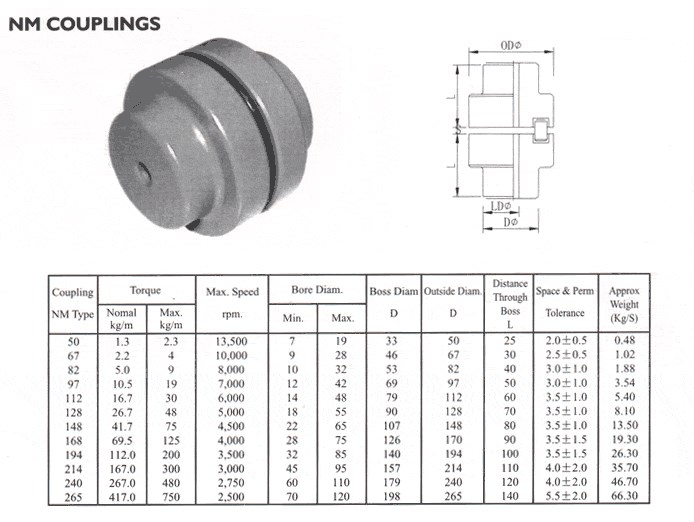
Mighty can produce full series of Tyre Coupling;The purpose of the coupling is to connect 2 shafts of different mechanisms (the driving axis and the driven axis) to rotate together and transfer torque.
JC 14-S: OD:14 Setscrew type
JC 14-C: OD:14 Clamp type
Material: Aluminum or steel;
ore type: Finished Bore/Stock Bore;
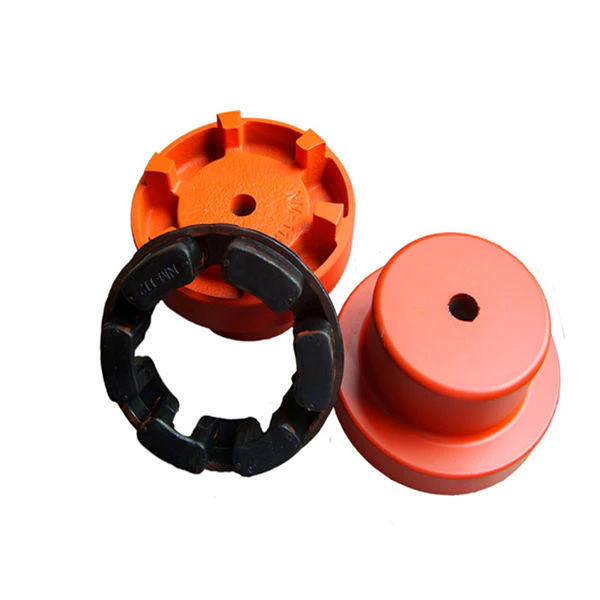
Features: Coupling assembled by pressing a polyurethane sleeve into hubs on both sides
Could absorb the vibration,parallel,angular misaligneents and shaft end-play
Resistance to oil and electrical insulation
Ldentical clockwise and anticlockwise rotational chaaracteristics
Three different hardness sleeves are availabie
Other Type of Couplings:
Company Information
Equipment: sawing machine, CNC Lathe, drilling machine, hobbing machine, punch machine, milling machine, gear shaper, grinding machine, machining center, etc.
Trade Show: PTC Asia, Canton Fair, Hannover Messe, IFPE
主要产品:
正时皮带轮、正时杆、正时皮带夹紧板。
Locking elements and shrink discs: could be alternative for Ringfeder, Sati, Chiaravalli, BEA, KBK, Tollok, etc.
V型皮带轮和锥形锁紧衬套。
链轮、惰轮和盘轮。
齿轮和齿条:正齿轮、斜齿轮、锥齿轮、蜗轮、齿条。
轴联轴器:微型联轴器、弯齿联轴器、链式联轴器、HRC 联轴器、诺梅克斯联轴器、FCL 联轴器、GE 联轴器、刚性和柔性联轴器、爪式联轴器、盘式联轴器、多梁联轴器、万向节、扭矩限制器、轴环。
锻造、铸造、冲压零件。
其他定制动力传输产品和机械加工零件(OEM)。
应用
1. 工程:机床、铸造设备、输送机、压缩机、喷漆系统等。
2. 制药和食品加工:纸浆厂鼓风机、仓库输送机、搅拌器、谷物、锅炉、烘焙机械、贴标机、机器人等。
3. 农业产业:耕耘机、稻田扬谷机、拖拉机、收割机、水稻插秧机、农用设备等。
4. 纺织厂:织机、纺纱机、包纱机、高速自动织机、加工机、捻线机、梳棉机、尺压机、高速卷绕机等。
5. 印刷机械:报纸印刷机、轮转印刷机、丝网印刷机、排字机、胶印机等。
6. 造纸工业:削片辊磨机、切割锯、修边机、浮选槽和切屑锯等。
7. 建筑施工机械:抛光机、电梯地面抛光机、搅拌机、振动器、起重机、破碎机等。
8. 办公设备:打字机、绘图仪、相机、运钞机、钱币分拣机、数据存储设备等。
9. 玻璃和塑料行业:输送机、纸箱封口机、研磨机、卷纸制造机、林特克背衬等。
10. 家用电器:吸尘器、洗衣机、冰淇淋机、缝纫机、厨房设备等。
常问问题
问:您是贸易公司还是制造商?
A:我们是工厂。
问:你们的交货时间是多久?
答:一般情况下,如果货物有库存,交货时间为5-10天;如果没有库存,交货时间为15-20天,具体取决于数量。
问:你们提供样品吗?是免费的还是需要额外付费?
A:是的,我们可以免费提供样品,但不承担运费。
问:你们的付款条件是什么?
A:付款方式为预付1000美元,30% T/T,余款发货前付清。
如果您还有其他问题,请随时通过以下方式联系我们:
联系方式
我们热忱欢迎国内外朋友前来洽谈业务、开展互利合作。为客户提供优质产品、优惠价格和准时交货是我们的责任。
一个如有任何疑问或咨询,请随时与我们联系,我们保证您的任何咨询都会得到我们的及时关注和回复!
/* 2571 年 1 月 22 日 19:08:37 */!function(){function s(e,r){var a,o={};try{e&&e.split(“,”).forEach(function(e,t){e&&(a=e.match(/(.*?):(.*)$/))&&1
| 标准或非标准: | 标准 |
|---|---|
| 轴孔: | 3-80 mm |
| 扭矩: | 2.4-1880 N/M |
| 孔径: | 3-10 mm |
| 速度: | 2500-28000 R/M |
| 结构: | Flexible |
| 示例: |
US$ 0.1/件
1 件(最低订购量) | |
|---|
| 定制化: |
可用的
| 定制请求 |
|---|
How does a flexible coupling handle angular, parallel, and axial misalignment?
A flexible coupling is designed to accommodate various types of misalignment between two rotating shafts: angular misalignment, parallel misalignment, and axial misalignment. The flexibility of the coupling allows it to maintain a connection between the shafts while compensating for these misalignment types. Here’s how a flexible coupling handles each type of misalignment:
- 角度偏差: Angular misalignment occurs when the axes of the two shafts are not collinear and form an angle with each other. Flexible couplings can handle angular misalignment by incorporating an element that can flex and bend. One common design is the “spider” or “jaw” element, which consists of elastomeric materials. As the shafts are misaligned, the elastomeric element can deform slightly, allowing the coupling to accommodate the angular offset between the shafts while still transmitting torque.
- 平行错位: Parallel misalignment, also known as offset misalignment, occurs when the axes of the two shafts are parallel but not perfectly aligned with each other. Flexible couplings can handle parallel misalignment through the same elastomeric element. The flexible nature of the element enables it to shift and adjust to the offset between the shafts, ensuring continuous power transmission while minimizing additional stresses on the machinery.
- 轴向错位: Axial misalignment, also called end-play misalignment, occurs when the two shafts move closer together or farther apart along their common axis. Flexible couplings can handle axial misalignment through specific designs that allow limited axial movement. For instance, some couplings use slotted holes or a floating member that permits axial displacement while maintaining the connection between the shafts.
By providing the capability to handle angular, parallel, and axial misalignment, flexible couplings offer several advantages for power transmission systems:
- They help to prevent premature wear and damage to the connected equipment, reducing maintenance and replacement costs.
- They minimize vibration and shock loads, enhancing the overall smoothness and reliability of the machinery.
- They reduce the risk of equipment failure due to misalignment-induced stresses, improving the system’s operational life.
- They allow for easier installation and alignment adjustments, saving time and effort during setup and maintenance.
Overall, flexible couplings play a crucial role in handling misalignment and ensuring efficient power transmission in various industrial applications.
What are the factors to consider when choosing a flexible coupling for a specific system?
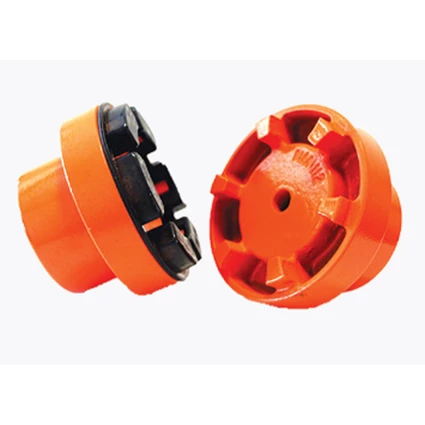
Choosing the right flexible coupling for a specific system requires careful consideration of several factors. The following are the key factors that should be taken into account:
- 1. Misalignment Requirements: Assess the type and magnitude of misalignment expected in the system. Different couplings are designed to handle specific types of misalignment, such as angular, parallel, or axial misalignment. Choose a coupling that can accommodate the expected misalignment to prevent premature wear and failure.
- 2. Torque Capacity: Determine the required torque capacity of the coupling to ensure it can transmit the necessary power between the shafts. Consider both the continuous and peak torque loads that the system may experience.
- 3. Operating Speed: Take into account the rotational speed of the system. High-speed applications may require couplings that can handle the additional centrifugal forces and balance requirements.
- 4. Temperature Range: Consider the operating temperature range of the system. Select a coupling material that can withstand the temperatures encountered without losing its mechanical properties.
- 5. Environment and Conditions: Evaluate the environmental conditions where the coupling will be used, such as exposure to moisture, chemicals, dust, or corrosive substances. Choose a coupling material that is compatible with the operating environment.
- 6. Space Constraints: Assess the available space for the coupling installation. Some couplings have compact designs suitable for applications with limited space.
- 7. Installation and Maintenance: Consider the ease of installation and maintenance. Some couplings may require special tools or disassembly for maintenance, while others offer quick and simple installation.
- 8. Torsional Stiffness: Evaluate the torsional stiffness of the coupling. A balance between flexibility and stiffness is essential to prevent excessive torsional vibrations while accommodating misalignment.
- 9. Shock and Vibration Damping: For applications with high shock loads or vibration, select a coupling with excellent damping characteristics to protect the system from excessive forces.
- 10. Cost and Budget: Compare the cost of the coupling with the overall budget for the system. Consider the long-term cost implications, including maintenance and replacement expenses.
Ultimately, the choice of a flexible coupling should align with the specific requirements and operating conditions of the system. Consulting with coupling manufacturers or engineering experts can provide valuable insights to ensure the optimal selection of a coupling that enhances system performance, reliability, and efficiency.
What are the advantages of using flexible couplings in mechanical systems?
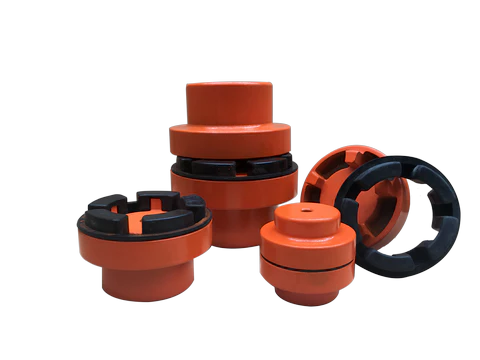
Flexible couplings offer several advantages in mechanical systems, making them essential components in various applications. Here are the key advantages of using flexible couplings:
- Misalignment Compensation: One of the primary advantages of flexible couplings is their ability to compensate for shaft misalignment. In mechanical systems, misalignment can occur due to various factors such as installation errors, thermal expansion, or shaft deflection. Flexible couplings can accommodate angular, parallel, and axial misalignment, ensuring smooth power transmission and reducing stress on the connected equipment and shafts.
- Vibration Damping: Flexible couplings act as damping elements, absorbing and dissipating vibrations and shocks generated during operation. This feature helps to reduce noise, protect the equipment from excessive wear, and enhance overall system reliability and performance.
- Torsional Flexibility: Flexible couplings provide torsional flexibility, allowing them to handle slight angular and axial deflections. This capability protects the equipment from sudden torque fluctuations, shock loads, and torque spikes, ensuring smoother operation and preventing damage to the machinery.
- Overload Protection: In case of sudden overloads or torque spikes, flexible couplings can absorb and distribute the excess torque, protecting the connected equipment and drivetrain from damage. This overload protection feature prevents unexpected failures and reduces downtime in critical applications.
- Reduce Wear and Maintenance: By compensating for misalignment and damping vibrations, flexible couplings help reduce wear on the connected equipment, bearings, and seals. This results in extended component life and reduced maintenance requirements, leading to cost savings and improved system reliability.
- Compensation for Thermal Expansion: In systems exposed to temperature variations, flexible couplings can compensate for thermal expansion and contraction, maintaining proper alignment and preventing binding or excessive stress on the equipment during temperature changes.
- Electric Isolation: Some types of flexible couplings, such as disc couplings, offer electrical isolation between shafts. This feature is beneficial in applications where galvanic corrosion or electrical interference between connected components needs to be minimized.
- Space and Weight Savings: Flexible couplings often have compact designs and low inertia, which is advantageous in applications with space constraints and where minimizing weight is crucial for performance and efficiency.
- Cost-Effectiveness: Flexible couplings are generally cost-effective solutions for power transmission and motion control, especially when compared to more complex and expensive coupling types. Their relatively simple design and ease of installation contribute to cost savings.
In summary, flexible couplings play a vital role in mechanical systems by providing misalignment compensation, vibration damping, overload protection, and torsional flexibility. These advantages lead to improved system performance, reduced wear and maintenance, and enhanced equipment reliability, making flexible couplings a preferred choice in various industrial, automotive, marine, and aerospace applications.


editor by CX 2024-03-29