Mô tả sản phẩm
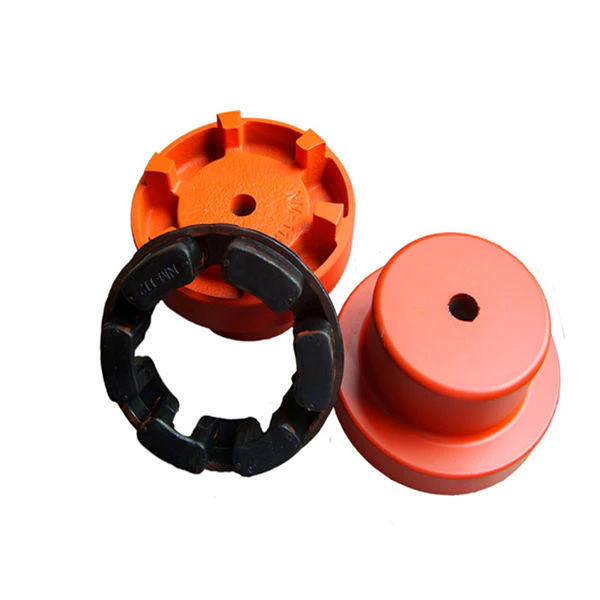
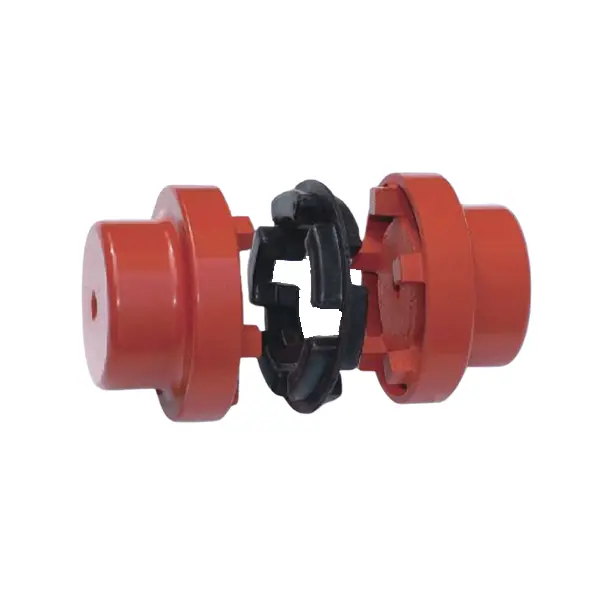
Stainless Steel Coupling Transmission Parts Gear High Quality Good Price Gear Roller Chain Couplings Nm Flange Flexible Elastomeric Stainless Steel Coupling
We are the leading top Chinese coupling manufacturer, and are specializing in various high quality coupling.
1. Material: Cast iron, Rubber.
2. OEM and ODM are available
3. High efficient in transmission
4. Finishing: Painted.
5. High quality with competitive price
6. Different models suitable for your different demands
7. Stock for different bore size on both sides available.
8. Application in wide range of environment.
9. Quick and easy mounting and disassembly.
10. Resistant to oil and electrical insulation.
11. Identical clockwise and anticlockwise rotational characteristics.
12. Small dimension, low weight, high transmitted torque.
13. It has good performance on compensating the misalignment.
Fluid couplings:
Features:
Improve the starting capability of electric motor, protect motor against overloading, damp shock, load
fluctuation and torsional vibration, and balance and load distribution in case of multimotor drives.
Ứng dụng:
Belt conveyers, csraper conveyers, and conveyers of all kinds Bucket elevators, ball mills, hoisters, crushers,
excavators, mixers, straighteners, cranes, etc.
Flange Flexible Coupling:
Flexible Coupling Model is widely used for its compact designing,easy installation,convenientmaintenance,small size and
light weight.As long as the’relative displacement between shafts is kept within the specified tolerance,the coupling will
operate the best function and a longer working life,thus it is greatly demanded in medium and minorpower transmission
systems drive by moters,such as speed reducers,hoists,compressor,spining &weaving machines and ball mills,permittable
relative displacement:Radial displacement 0.2-0.6mm ; Angel displacemente 0o 30′–1o 30′
Jaw Couplings:
Click here for more types of couplings
Our Services:
1.Design Services
Our design team has experience in cardan shaft relating to product design and development. If you have any needs for your new product or wish to make further improvements, we are here to offer our support.
2.Product Services
raw materials → Cutting → Forging →Rough machining →Shot blasting →Heat treatment →Testing →Fashioning →Cleaning→ Assembly→Packing→Shipping
3.Samples Procedure
We could develop the sample according to your requirement and amend the sample constantly to meet your need.
4.Research & Development
We usually research the new needs of the market and develop the new model when there is new cars in the market.
5.Quality Control
Every step should be special test by Professional Staff according to the standard of ISO9001 and TS16949.
Company Information:
| Tiêu chuẩn hay không tiêu chuẩn: | Tiêu chuẩn |
|---|---|
| Lỗ trục: | 19-32 |
| Mô-men xoắn: | >80 hải lý |
| Đường kính lỗ khoan: | 19mm |
| Tốc độ: | 4000 vòng/phút |
| Kết cấu: | Linh hoạt |
| Mẫu: |
US$ 9999/Mảnh
1 chiếc (Số lượng tối thiểu) | |
|---|

What are the maintenance requirements for flexible couplings?
Maintenance of flexible couplings is essential to ensure their reliable and efficient performance over their service life. Proper maintenance helps prevent premature wear, reduces the risk of unexpected failures, and extends the lifespan of the couplings. Here are some key maintenance requirements for flexible couplings:
- Regular Inspection: Perform regular visual inspections of the flexible couplings to check for signs of wear, damage, or misalignment. Look for cracks, tears, or any other visible issues in the coupling components.
- Lubrication: Some flexible couplings, especially those with moving parts or sliding surfaces, may require periodic lubrication. Follow the manufacturer’s recommendations regarding the type and frequency of lubrication to ensure smooth operation.
- Alignment Checks: Misalignment is a common cause of coupling failure. Regularly check the alignment of the connected shafts and adjust as necessary. Proper alignment reduces stress on the coupling and improves power transmission efficiency.
- Torque Monitoring: Monitoring the torque transmitted through the coupling can help detect any abnormal or excessive loads. If the coupling is subjected to loads beyond its rated capacity, it may lead to premature failure.
- Environmental Protection: If the couplings are exposed to harsh environmental conditions, take measures to protect them from dust, dirt, moisture, and corrosive substances. Consider using protective covers or seals to shield the couplings from potential contaminants.
- Temperature Considerations: Ensure that the operating temperature of the flexible coupling is within its designed range. Excessive heat can accelerate wear, while extremely low temperatures may affect the flexibility of certain coupling materials.
- Replace Worn or Damaged Parts: If any components of the flexible coupling show signs of wear or damage, replace them promptly with genuine replacement parts from the manufacturer.
- Manufacturer’s Guidelines: Follow the maintenance guidelines provided by the coupling manufacturer. They often include specific maintenance intervals and procedures tailored to the coupling’s design and materials.
- Training and Expertise: Ensure that maintenance personnel have the necessary training and expertise to inspect and maintain the flexible couplings properly. Improper maintenance practices can lead to further issues and compromise the coupling’s performance.
By adhering to these maintenance requirements, you can maximize the service life of the flexible couplings and minimize the risk of unexpected downtime or costly repairs. Regular maintenance helps maintain the efficiency and reliability of the coupling in various industrial, automotive, and machinery applications.
What are the differences between elastomeric and metallic flexible coupling designs?
Elastomeric and metallic flexible couplings are two distinct designs used to transmit torque and accommodate misalignment in mechanical systems. Each type offers unique characteristics and advantages, making them suitable for different applications.
Elastomeric Flexible Couplings:
Elastomeric flexible couplings, also known as flexible or jaw couplings, employ an elastomeric material (rubber or similar) as the flexible element. The elastomer is typically molded between two hubs, and it acts as the connector between the driving and driven shafts. The key differences and characteristics of elastomeric couplings include:
- Misalignment Compensation: Elastomeric couplings are designed to handle moderate levels of angular, parallel, and axial misalignment. The elastomeric material flexes to accommodate the misalignment while transmitting torque between the shafts.
- Giảm chấn rung động: The elastomeric material in these couplings offers excellent vibration dampening properties, reducing the transmission of vibrations from one shaft to another. This feature helps protect connected equipment from excessive vibrations and enhances system reliability.
- Shock Load Absorption: Elastomeric couplings can absorb and dampen shock loads, protecting the system from sudden impacts or overloads.
- Cost-Effective: Elastomeric couplings are generally more cost-effective compared to metallic couplings, making them a popular choice for various industrial applications.
- Simple Design and Installation: Elastomeric couplings often have a straightforward design, allowing for easy installation and maintenance.
- Lower Torque Capacity: These couplings have a lower torque capacity compared to metallic couplings, making them suitable for applications with moderate torque requirements.
- Common Applications: Elastomeric couplings are commonly used in pumps, compressors, fans, conveyors, and other applications that require moderate torque transmission and misalignment compensation.
Metallic Flexible Couplings:
Metallic flexible couplings use metal components (such as steel, stainless steel, or aluminum) to connect the driving and driven shafts. The metallic designs can vary significantly depending on the type of metallic coupling, but some general characteristics include:
- High Torque Capacity: Metallic couplings have higher torque transmission capabilities compared to elastomeric couplings. They are well-suited for applications requiring high torque handling.
- Misalignment Compensation: Depending on the design, some metallic couplings can accommodate minimal misalignment, but they are generally not as flexible as elastomeric couplings in this regard.
- Stiffer Construction: Metallic couplings are generally stiffer than elastomeric couplings, offering less vibration dampening but higher torsional stiffness.
- Compact Design: Metallic couplings can have a more compact design, making them suitable for applications with limited space.
- Higher Precision: Metallic couplings often offer higher precision and concentricity, resulting in better shaft alignment.
- Higher Cost: Metallic couplings are typically more expensive than elastomeric couplings due to their construction and higher torque capacity.
- Common Applications: Metallic couplings are commonly used in high-speed machinery, precision equipment, robotics, and applications with high torque requirements.
Bản tóm tắt:
In summary, the main differences between elastomeric and metallic flexible coupling designs lie in their flexibility, torque capacity, vibration dampening, cost, and applications. Elastomeric couplings are suitable for applications with moderate torque, misalignment compensation, and vibration dampening requirements. On the other hand, metallic couplings are chosen for applications with higher torque and precision requirements, where flexibility and vibration dampening are less critical.
Những vật liệu nào thường được sử dụng trong sản xuất khớp nối mềm?
Các khớp nối mềm được sản xuất bằng nhiều loại vật liệu khác nhau, mỗi loại đều có những đặc tính và đặc điểm riêng phù hợp với các ứng dụng cụ thể. Việc lựa chọn vật liệu phụ thuộc vào các yếu tố như yêu cầu của ứng dụng, điều kiện môi trường, khả năng chịu momen xoắn và độ linh hoạt mong muốn. Dưới đây là một số vật liệu thường được sử dụng trong sản xuất khớp nối mềm:
- Thép: Thép là vật liệu được sử dụng rộng rãi trong các khớp nối mềm nhờ độ bền, độ chắc chắn và khả năng truyền mô-men xoắn tuyệt vời. Khớp nối thép phù hợp cho các ứng dụng công nghiệp nặng với yêu cầu mô-men xoắn cao và điều kiện hoạt động khắc nghiệt.
- Thép không gỉ: Thép không gỉ thường được sử dụng để chế tạo các khớp nối mềm trong môi trường có khả năng ăn mòn cao. Các khớp nối bằng thép không gỉ có khả năng chống gỉ và các yếu tố ăn mòn khác tuyệt vời, lý tưởng cho các ứng dụng trong ngành hàng hải, chế biến thực phẩm và công nghiệp hóa chất.
- Nhôm: Các khớp nối bằng nhôm có trọng lượng nhẹ, quán tính thấp và khả năng cân bằng tuyệt vời. Chúng thường được sử dụng trong các ứng dụng mà việc giảm trọng lượng là rất quan trọng, chẳng hạn như hàng không vũ trụ và robot.
- Thau: Các khớp nối bằng đồng thau nổi tiếng về khả năng dẫn điện và được sử dụng trong các ứng dụng yêu cầu nối đất hoặc cách điện, chẳng hạn như trong một số máy móc công nghiệp hoặc thiết bị điện tử.
- Gang đúc: Các khớp nối bằng gang có độ bền và độ chắc chắn tốt, thường được sử dụng trong các ứng dụng công nghiệp cần khả năng chịu được tải trọng va đập và rung động.
- Nhựa/Polyme: Một số khớp nối mềm sử dụng các polyme hoặc nhựa hiệu suất cao, chẳng hạn như polyurethane hoặc nylon. Những vật liệu này mang lại độ linh hoạt tốt, ma sát thấp và khả năng chống hóa chất. Khớp nối bằng nhựa phù hợp cho các ứng dụng cần khả năng chống ăn mòn và trọng lượng nhẹ.
- Chất đàn hồi: Vật liệu đàn hồi được sử dụng làm các phần tử linh hoạt trong nhiều khớp nối mềm. Các vật liệu như cao su tự nhiên, neoprene hoặc urethane thường được sử dụng làm các phần tử đàn hồi dạng mạng nhện, mang lại tính linh hoạt và khả năng giảm chấn rung động.
Việc lựa chọn vật liệu khớp nối phụ thuộc vào nhu cầu cụ thể của ứng dụng. Ví dụ, các ứng dụng hiệu suất cao và tải nặng có thể yêu cầu khớp nối bằng thép hoặc thép không gỉ vì độ bền của chúng, trong khi các ứng dụng mà việc giảm trọng lượng là rất quan trọng có thể hưởng lợi từ khớp nối bằng nhôm hoặc polyme. Ngoài ra, việc lựa chọn vật liệu còn bị ảnh hưởng bởi các yếu tố như phạm vi nhiệt độ, tiếp xúc với hóa chất và các yêu cầu về điện trong môi trường hoạt động của ứng dụng.
Các nhà sản xuất thường cung cấp thông số kỹ thuật vật liệu cho các khớp nối của họ, giúp người dùng đưa ra quyết định sáng suốt dựa trên các yêu cầu cụ thể của ứng dụng.


editor by CX 2023-10-06