Produktbeskrivning
NM TYPE COUPLING ELEMENTS
|
item |
value |
|
Applicable Industries |
Building Material Shops, Manufacturing Plant, Machinery Repair Shops, Construction works |
|
Customized support |
OEM |
|
Strukturera |
Jaw / Spider |
|
Flexible or Rigid |
Flexibel |
|
Standard or Nonstandard |
Standard |
|
Material |
RUBBER |
Advantages
* Extremely resistant to wear, oil, CZPT and ageing
* Also resistant to hydrolysis (ideal for tropical climates)
* Protect the drive against dynamic overload
* Good physical properties
* Wide range of application
* Failure protection
* Easy installation
Technical Data
Operating Conditions
Temperature : -35°C ~+ 100°C
Material : Rubber
Hardness : 90 -95 Shore A
Color : Black
| Material: | NBR |
|---|---|
| Usage: | Shaft |
| Type: | Haplotype |
| Hastighet: | Hastighet |
| Pressure: | Pressure Type |
| Lip: | Single Lip |
| Prover: |
US$ 1/Piece
1 styck (minsta beställning) | |
|---|
| Anpassning: |
Tillgänglig
| Anpassad förfrågan |
|---|

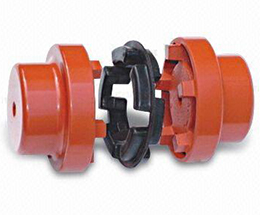
Kan flexibla kopplingar användas i både horisontella och vertikala axelarrangemang?
Ja, flexibla kopplingar kan användas i både horisontella och vertikala axelarrangemang. Utformningen av flexibla kopplingar gör att de kan hantera feljustering och kompensera för vinkel-, parallella och axiella förskjutningar mellan axlarna, vilket gör dem lämpliga för olika axelorienteringar.
Horisontella axelarrangemang:
I horisontella axelarrangemang, där axlarna är parallella med marken eller det horisontella planet, används ofta flexibla kopplingar för att koppla samman två roterande axlar. Dessa kopplingar hjälper till att överföra vridmoment från en axel till en annan samtidigt som de tar hänsyn till eventuella feljusteringar som kan uppstå under drift. Horisontella axelarrangemang är vanliga i applikationer som pumpar, kompressorer, transportband och industrimaskiner.
Vertikala axelarrangemang:
I vertikala axelarrangemang, där axlarna är vinkelräta mot marken eller det vertikala planet, är även flexibla kopplingar tillämpliga. Vertikala axlar kräver ofta kopplingar som kan hantera den extra vikt och de krafter som uppstår från gravitationen. Flexibla kopplingar konstruerade för vertikala tillämpningar kan bära vikten av den roterande utrustningen samtidigt som de tillåter viss axiell rörelse för att hantera termisk expansion eller andra förskjutningar. Vertikala axelarrangemang finns ofta i tillämpningar som pumpar, växellådor, turbiner och vissa marina framdrivningssystem.
Att beakta vid vertikala axelarrangemang:
Vid användning av flexibla kopplingar i vertikala axelarrangemang finns det några ytterligare överväganden att tänka på:
- Dragkraft: Vertikala axlar kan generera axialbelastningar, särskilt i uppåtgående eller nedåtgående riktning. Den flexibla kopplingen bör väljas baserat på dess förmåga att hantera både radiella och axiella belastningar för att hantera dessa krafter.
- Smörjning: Vissa vertikala kopplingar kan kräva ytterligare smörjning för att säkerställa smidig drift och minska slitage, särskilt om de utsätts för höga axiella belastningar eller förlängda vertikala axlar.
- Stöd och lager: Korrekt stöd och lagerarrangemang för den vertikala axeln är avgörande för att förhindra överdriven axelnedböjning och säkerställa att den flexibla kopplingen fungerar korrekt.
Sammantaget är flexibla kopplingar mångsidiga och anpassningsbara till olika axelorienteringar, vilket ger effektiv kraftöverföring och kompensation för feljustering. Oavsett om det gäller horisontella eller vertikala arrangemang, kommer användning av lämplig flexibel kopplingsdesign och beaktande av de specifika tillämpningskraven att bidra till att säkerställa tillförlitlig och effektiv drift.
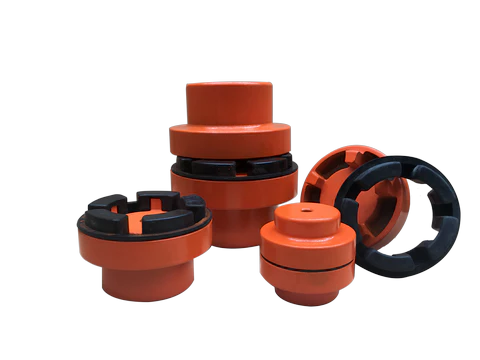
Can flexible couplings be used for both motor-to-shaft and shaft-to-shaft connections?
Yes, flexible couplings can be used for both motor-to-shaft and shaft-to-shaft connections in various applications. The versatility of flexible couplings allows them to adapt to different types of connections and meet the specific requirements of the system.
Motor-to-Shaft Connections:
When connecting a motor to a shaft, a flexible coupling serves as an intermediary component that joins the motor shaft and the driven shaft. Flexible couplings are commonly used in motor-driven systems to accommodate misalignment between the motor and the driven load. In motor applications, flexible couplings help reduce stress and wear on the motor bearings, thus extending the motor’s life and enhancing overall system reliability. They also act as vibration dampeners, minimizing vibrations transmitted from the motor to the driven shaft, and subsequently to connected equipment, ensuring smoother operation.
Shaft-to-Shaft Connections:
In many mechanical systems, such as those in the manufacturing, automation, and power transmission industries, shaft-to-shaft connections are required. A flexible coupling can bridge the gap between two shafts and transmit torque while accommodating misalignment. This type of coupling is commonly used to connect shafts that are not perfectly aligned due to factors like manufacturing tolerances, thermal expansion, or foundation settling. By allowing for misalignment, the flexible coupling protects the connected components from excessive stresses and ensures efficient power transmission.
Versatility and Advantages:
The ability of flexible couplings to handle both motor-to-shaft and shaft-to-shaft connections makes them versatile solutions for a wide range of industrial applications. Some of the advantages of using flexible couplings in these connections include:
- Minimizing stress and wear on connected components, such as bearings and seals.
- Compensating for misalignment, ensuring smooth power transmission.
- Damping vibrations and shock loads, reducing the risk of mechanical failures.
- Protecting equipment from excessive forces, enhancing system reliability.
- Simplifying installation and alignment procedures, reducing downtime.
- Improving overall system performance and operational efficiency.
Applications:
Flexible couplings find applications in a wide range of industries, including manufacturing, material handling, automotive, aerospace, robotics, and more. Whether connecting a motor to a shaft or joining two shafts directly, flexible couplings play a crucial role in enhancing the reliability and efficiency of rotating machinery and mechanical systems.
In conclusion, flexible couplings can effectively serve as connectors for both motor-to-shaft and shaft-to-shaft connections, providing essential misalignment compensation and protection for connected equipment in various industrial applications.
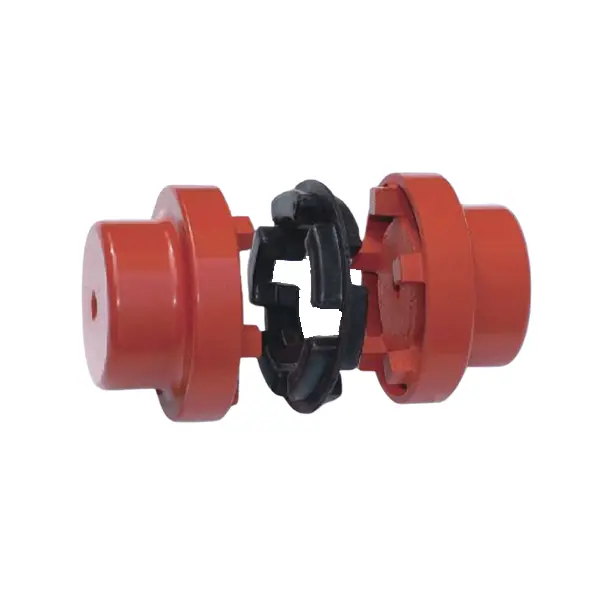
What materials are commonly used in manufacturing flexible couplings?
Flexible couplings are manufactured using a variety of materials, each offering different properties and characteristics suited for specific applications. The choice of material depends on factors such as the application’s requirements, environmental conditions, torque capacity, and desired flexibility. Here are some of the commonly used materials in manufacturing flexible couplings:
- Steel: Steel is a widely used material in flexible couplings due to its strength, durability, and excellent torque transmission capabilities. Steel couplings are suitable for heavy-duty industrial applications with high torque requirements and harsh operating conditions.
- Stainless Steel: Stainless steel is often used to manufacture flexible couplings in environments with high corrosion potential. Stainless steel couplings offer excellent resistance to rust and other corrosive elements, making them ideal for marine, food processing, and chemical industry applications.
- Aluminum: Aluminum couplings are lightweight, have low inertia, and provide excellent balance. They are commonly used in applications where reducing weight is critical, such as aerospace and robotics.
- Brass: Brass couplings are known for their electrical conductivity and are used in applications where electrical grounding or electrical isolation is required, such as in certain industrial machinery or electronics equipment.
- Cast Iron: Cast iron couplings offer good strength and durability and are often used in industrial applications where resistance to shock loads and vibrations is necessary.
- Plastic/Polymer: Some flexible couplings use high-performance polymers or plastics, such as polyurethane or nylon. These materials provide good flexibility, low friction, and resistance to chemicals. Plastic couplings are suitable for applications where corrosion resistance and lightweight are essential.
- Elastomers: Elastomers are used as the flexible elements in many flexible couplings. Materials like natural rubber, neoprene, or urethane are commonly used as elastomer spider elements, providing flexibility and vibration damping properties.
The selection of the coupling material depends on the specific needs of the application. For instance, high-performance and heavy-duty applications may require steel or stainless steel couplings for their robustness, while applications where weight reduction is crucial may benefit from aluminum or polymer couplings. Additionally, the choice of material is influenced by factors such as temperature range, chemical exposure, and electrical requirements in the application’s operating environment.
Manufacturers typically provide material specifications for their couplings, helping users make informed decisions based on the specific demands of their applications.


editor by CX 2023-08-21