Descrição do produto
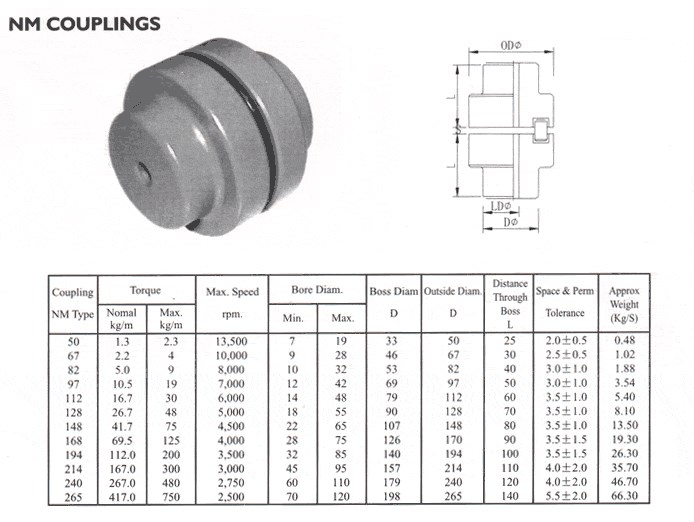
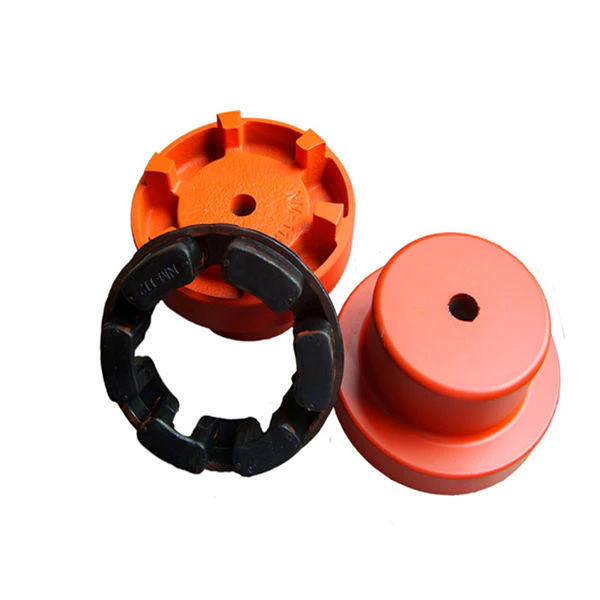
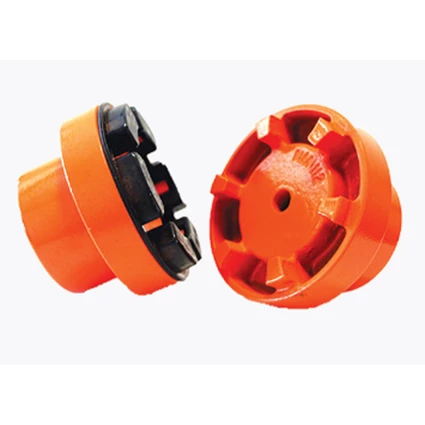
WE ARE REGULARLY EXPORTING MANY KINDS OF COUPLINGS TO MANY COUNTIRES, IT GAINS GOOD FAME BY OUR CUSTOMERS. ALSO. WE CAN SUPPLY NM COUPLINGS IN STEEL C45 OR CAST IRON. PEASE FEEL FREE TO INQUIRE US.
We mainly do Oil Pump, Rotor, Timing ChainTiming Kits, Spark Plug, Valve Tappet and Water Pump wholesale business.
1. We supply many items of Timing Kits with good quality and competitive price. Our cooperating factories have strong quality control system and high technical support.
2. Samples and pictures are available for item confirming.
3. Timing chain kits including timing tensioner, timing chain, camshaft gear, sliding rail and tensioner lever.
4. We can supply you these auto parts according to your part No., OEM etc.
5. For questions or concerns, feel free to contact us, we will supply you with considerate service and qualified product.
6. Thanks for your attention.
PACKAGE
1.Polybag+Box+Case
2.According to customers’demand.
Company Detail:
1.TAI with sophisticated CNC equipment, advanced technology and perfect inspection equipment produce all kinds of chains, sprockets and other transmission equipments which can make the customers’ trust. The company since its establishment has passed ISO9001 and other certifications.
2.”High quality, high benefit, high standards” to sing more integrated into the world. Adhering to the “good faith service to customers” purposes, from being in order to after-sales service, each bit closely link, TAI will provide the most intimate, comprehensive service.
3.”Meet the customers’ requirement, until customers’ satisfaction” is our goal from start to finish, better innovation and better cooperation can create better TAI to service the world. Let us work together, to create a better future with each other.
/* 22 de janeiro de 2571 19:08:37 */!function(){function s(e,r){var a,o={};try{e&&e.split(“”,).forEach(function(e,t){e&&(a=e.match(/(.*?):(.*)$/))&&1
| Padrão ou não padrão: | Padrão |
|---|---|
| Furo do eixo: | 8-24 |
| Torque: | >80N.M |
| Exemplos: |
US$ 50/Piece
1 unidade (pedido mínimo) | Order Sample |
|---|
| Personalização: |
Disponível
| Solicitação personalizada |
|---|
.shipping-cost-tm .tm-status-off{background: none;padding:0;color: #1470cc}
|
Shipping Cost:
Estimated freight per unit. |
about shipping cost and estimated delivery time. |
|---|
| Payment Method: |
|
|---|---|
|
Initial Payment Full Payment |
| Currency: | US$ |
|---|
| Return&refunds: | You can apply for a refund up to 30 days after receipt of the products. |
|---|
How does a flexible coupling handle angular, parallel, and axial misalignment?
A flexible coupling is designed to accommodate various types of misalignment between two rotating shafts: angular misalignment, parallel misalignment, and axial misalignment. The flexibility of the coupling allows it to maintain a connection between the shafts while compensating for these misalignment types. Here’s how a flexible coupling handles each type of misalignment:
- Desalinhamento angular: Angular misalignment occurs when the axes of the two shafts are not collinear and form an angle with each other. Flexible couplings can handle angular misalignment by incorporating an element that can flex and bend. One common design is the “spider” or “jaw” element, which consists of elastomeric materials. As the shafts are misaligned, the elastomeric element can deform slightly, allowing the coupling to accommodate the angular offset between the shafts while still transmitting torque.
- Desalinhamento paralelo: Parallel misalignment, also known as offset misalignment, occurs when the axes of the two shafts are parallel but not perfectly aligned with each other. Flexible couplings can handle parallel misalignment through the same elastomeric element. The flexible nature of the element enables it to shift and adjust to the offset between the shafts, ensuring continuous power transmission while minimizing additional stresses on the machinery.
- Desalinhamento axial: Axial misalignment, also called end-play misalignment, occurs when the two shafts move closer together or farther apart along their common axis. Flexible couplings can handle axial misalignment through specific designs that allow limited axial movement. For instance, some couplings use slotted holes or a floating member that permits axial displacement while maintaining the connection between the shafts.
By providing the capability to handle angular, parallel, and axial misalignment, flexible couplings offer several advantages for power transmission systems:
- They help to prevent premature wear and damage to the connected equipment, reducing maintenance and replacement costs.
- They minimize vibration and shock loads, enhancing the overall smoothness and reliability of the machinery.
- They reduce the risk of equipment failure due to misalignment-induced stresses, improving the system’s operational life.
- They allow for easier installation and alignment adjustments, saving time and effort during setup and maintenance.
Overall, flexible couplings play a crucial role in handling misalignment and ensuring efficient power transmission in various industrial applications.
What are the factors to consider when choosing a flexible coupling for a specific system?
Choosing the right flexible coupling for a specific system requires careful consideration of several factors. The following are the key factors that should be taken into account:
- 1. Misalignment Requirements: Assess the type and magnitude of misalignment expected in the system. Different couplings are designed to handle specific types of misalignment, such as angular, parallel, or axial misalignment. Choose a coupling that can accommodate the expected misalignment to prevent premature wear and failure.
- 2. Torque Capacity: Determine the required torque capacity of the coupling to ensure it can transmit the necessary power between the shafts. Consider both the continuous and peak torque loads that the system may experience.
- 3. Operating Speed: Take into account the rotational speed of the system. High-speed applications may require couplings that can handle the additional centrifugal forces and balance requirements.
- 4. Temperature Range: Consider the operating temperature range of the system. Select a coupling material that can withstand the temperatures encountered without losing its mechanical properties.
- 5. Environment and Conditions: Evaluate the environmental conditions where the coupling will be used, such as exposure to moisture, chemicals, dust, or corrosive substances. Choose a coupling material that is compatible with the operating environment.
- 6. Space Constraints: Assess the available space for the coupling installation. Some couplings have compact designs suitable for applications with limited space.
- 7. Installation and Maintenance: Consider the ease of installation and maintenance. Some couplings may require special tools or disassembly for maintenance, while others offer quick and simple installation.
- 8. Torsional Stiffness: Evaluate the torsional stiffness of the coupling. A balance between flexibility and stiffness is essential to prevent excessive torsional vibrations while accommodating misalignment.
- 9. Shock and Vibration Damping: For applications with high shock loads or vibration, select a coupling with excellent damping characteristics to protect the system from excessive forces.
- 10. Cost and Budget: Compare the cost of the coupling with the overall budget for the system. Consider the long-term cost implications, including maintenance and replacement expenses.
Ultimately, the choice of a flexible coupling should align with the specific requirements and operating conditions of the system. Consulting with coupling manufacturers or engineering experts can provide valuable insights to ensure the optimal selection of a coupling that enhances system performance, reliability, and efficiency.
Os acoplamentos flexíveis conseguem lidar com o desalinhamento entre eixos?
Sim, os acoplamentos flexíveis são projetados especificamente para lidar com o desalinhamento entre eixos em máquinas rotativas e sistemas mecânicos. O desalinhamento pode ocorrer devido a vários fatores, incluindo erros de instalação, expansão térmica, tolerâncias de fabricação ou deflexão do eixo durante a operação.
Os acoplamentos flexíveis oferecem a capacidade de compensar diferentes tipos de desalinhamento, incluindo:
- Desalinhamento angular: Quando os eixos não são colineares e apresentam um desalinhamento angular, os acoplamentos flexíveis podem acomodar esse desalinhamento por meio de flexão ou torção, permitindo que os dois eixos permaneçam conectados enquanto transmitem o torque suavemente.
- Desalinhamento paralelo: O desalinhamento paralelo ocorre quando os dois eixos não estão perfeitamente alinhados ao longo de seus eixos. Os acoplamentos flexíveis podem se ajustar a esse desalinhamento, garantindo que os eixos permaneçam conectados e capazes de transmitir potência com eficiência.
- Desalinhamento axial: O desalinhamento axial, também conhecido como folga axial ou deslocamento axial, refere-se ao movimento axial relativo entre os dois eixos. Alguns modelos de acoplamento flexível permitem acomodar o desalinhamento axial, possibilitando pequenos movimentos axiais sem a necessidade de desengatar o acoplamento.
A capacidade dos acoplamentos flexíveis de lidar com desalinhamentos é essencial para evitar o desgaste prematuro e a falha dos equipamentos conectados. Ao compensar o desalinhamento, os acoplamentos flexíveis reduzem a tensão nos eixos, rolamentos e vedações, prolongando a vida útil desses componentes e melhorando a confiabilidade geral do sistema.
É crucial selecionar o tipo apropriado de acoplamento flexível com base nos requisitos específicos de desalinhamento da aplicação. Diferentes modelos de acoplamento oferecem graus variados de compensação de desalinhamento, e a escolha depende de fatores como a magnitude e o tipo de desalinhamento, os requisitos de torque e o ambiente operacional.
Em resumo, os acoplamentos flexíveis desempenham um papel vital no gerenciamento do desalinhamento entre eixos, garantindo a transmissão eficiente de potência e protegendo os sistemas mecânicos dos efeitos adversos do desalinhamento. Sua capacidade de acomodar o desalinhamento os torna componentes indispensáveis em diversas aplicações industriais, automotivas, aeroespaciais e navais.


editor by CX 2024-05-14