Descrição do produto
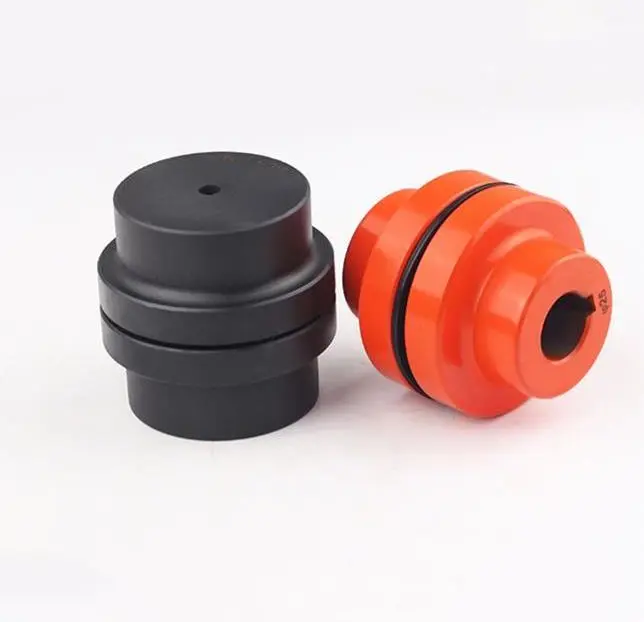
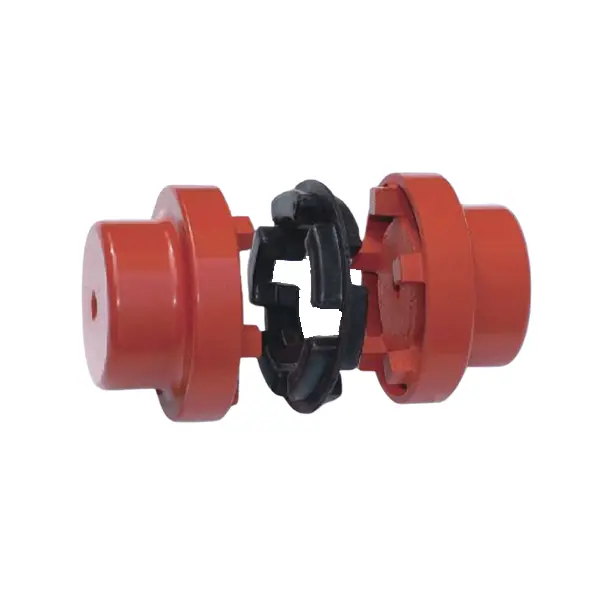
ISO DIN ANSI ASA Standard Nm50-214 Nm Cast Iron Flexible Sleeve Normex Plum CHINAMFG Type Elastic Shaft Coupling
NM flexible shaft coupling is a cylindrical pin made of some non-metallic materials, which is placed between the 2 sides of the coupling and the inner surface of the outer ring, and a device to transfer the torque through the column pin to realize the connection between 2 half couplings. NM flexible shaft coupling between the slider made of bakelite cloth or polyurethane, suitable for high speed, large torque, no sharp impact of the 2 connections.
Product brand: EVER-POWER
Name of transmission part: acoplamento da bomba d'água
Product structure: É composto por 2 garras de ferro fundido e um anel interno de borracha natural.
Suitable shaft diameter: 7 mm - 75 mm
Suitable motor power: dentro de 60 hp / 45 kW
Características do produto:
1. The maximum torque is 125kgm 2. Stable operation and low noise 3. The product is made of cast iron and cast by precision die casting, so it is not easy to cause fracture during operation
Related products:
Production workshop:
Company information:
/* 22 de janeiro de 2571 19:08:37 */!function(){function s(e,r){var a,o={};try{e&&e.split(“”,).forEach(function(e,t){e&&(a=e.match(/(.*?):(.*)$/))&&1
| Padrão ou não padrão: | Padrão |
|---|---|
| Furo do eixo: | 19-32 |
| Torque: | >80N.M |
| Diâmetro do furo: | 19mm |
| Velocidade: | 4000r/M |
| Estrutura: | Flexível |
| Exemplos: |
US$ 9999/Piece
1 unidade (pedido mínimo) | |
|---|

Can flexible couplings accommodate high torque and high-speed applications?
Yes, flexible couplings can accommodate both high torque and high-speed applications, but the suitability depends on the specific design and material of the flexible coupling. Different types of flexible couplings have varying torque and speed capacities, and it’s crucial to select the right type of coupling based on the application requirements.
High Torque Applications:
Some flexible couplings, such as gear couplings and disc couplings, are designed to handle high torque levels. Gear couplings consist of toothed hubs that mesh with each other, providing a robust and efficient torque transmission. They are commonly used in heavy-duty industrial applications, such as steel mills, mining equipment, and power generation plants, where high torque loads are prevalent.
Disc couplings are also suitable for high torque applications. They use a series of flexible metal discs that can handle significant torque while compensating for misalignment. Disc couplings are often used in high-speed machinery and critical applications where precise torque transmission is essential.
High-Speed Applications:
Flexible couplings can also be used in high-speed applications. For instance, certain disc couplings, elastomeric couplings, and grid couplings are capable of handling high rotational speeds. These couplings have low inertia, which means they can respond quickly to changes in speed and provide efficient power transmission at high RPMs.
Elastomeric couplings, such as jaw couplings and tire couplings, are commonly used in various industrial applications, including pumps, compressors, and fans, where both torque and speed requirements are high. They offer good flexibility and damping properties, making them suitable for applications with high-speed variations and vibrations.
Considerations:
When selecting a flexible coupling for high torque and high-speed applications, several factors should be considered:
- The torque and speed ratings provided by the coupling manufacturer should be checked to ensure they meet or exceed the application’s requirements.
- The design and materials of the coupling should be suitable for the specific operating conditions, including temperature, environment, and potential exposure to corrosive substances.
- Proper alignment and installation of the coupling are critical to ensure optimal performance and prevent premature wear.
- In some cases, it may be necessary to use additional components, such as torque limiters or speed reducers, to protect the coupling and the connected equipment from excessive loads or speed fluctuations.
In conclusion, flexible couplings can indeed accommodate high torque and high-speed applications, but the appropriate coupling type and proper selection are essential to ensure reliable and efficient performance in these demanding conditions.
Os acoplamentos flexíveis podem ser usados em aplicações com temperaturas de operação variáveis?
Sim, os acoplamentos flexíveis podem ser usados em aplicações com diferentes temperaturas de operação. A adequação de um acoplamento flexível para uma faixa de temperatura específica depende do seu projeto e dos materiais utilizados na sua construção. Existem diferentes tipos de acoplamentos flexíveis disponíveis para lidar com uma ampla gama de condições de temperatura, o que os torna versáteis para uso em diversos setores e ambientes.
Aplicações em altas temperaturas:
Para aplicações com altas temperaturas de operação, como as encontradas em certos processos industriais, sistemas de exaustão ou máquinas de alta temperatura, são utilizados acoplamentos flexíveis fabricados com materiais de excelente resistência ao calor. Esses materiais podem incluir ligas de aço inoxidável, aços tratados termicamente ou elastômeros especiais para altas temperaturas. Os acoplamentos flexíveis para altas temperaturas são projetados para manter suas propriedades mecânicas, incluindo flexibilidade e capacidade de transmissão de torque, mesmo em temperaturas elevadas.
Aplicações em baixas temperaturas:
Por outro lado, para aplicações em ambientes extremamente frios ou processos criogênicos, são utilizados acoplamentos flexíveis construídos com materiais resistentes a baixas temperaturas. Esses acoplamentos são projetados para permanecerem flexíveis e funcionais em temperaturas muito baixas, sem se tornarem quebradiços ou perderem a capacidade de lidar com desalinhamentos. Alguns acoplamentos para baixas temperaturas podem utilizar polímeros ou elastômeros especiais com excelente desempenho em baixas temperaturas.
Considerações sobre a faixa de temperatura:
Ao selecionar um acoplamento flexível para aplicações com temperaturas operacionais variáveis, é essencial considerar a faixa de temperatura específica em que o acoplamento irá operar. Alguns acoplamentos flexíveis possuem uma faixa de temperatura mais ampla, permitindo seu funcionamento eficaz tanto em ambientes de alta quanto de baixa temperatura. No entanto, em condições de temperatura extremas, acoplamentos especializados podem ser necessários para garantir um desempenho confiável e evitar falhas prematuras.
Instruções do fabricante:
Os fabricantes de acoplamentos flexíveis fornecem diretrizes e especificações relativas à faixa de temperatura de seus produtos. É crucial consultar a documentação do fabricante para garantir que o acoplamento escolhido seja adequado à temperatura operacional pretendida para a aplicação. O uso de um acoplamento fora da faixa de temperatura recomendada pode levar a problemas de desempenho, redução da eficiência ou até mesmo falha.
Aplicações:
Acoplamentos flexíveis com resistência variável à temperatura encontram aplicação em inúmeras indústrias, incluindo aeroespacial, automotiva, manufatura, geração de energia e muitas outras. Seja em sistemas de exaustão de alta temperatura, processos criogênicos de baixa temperatura ou aplicações industriais comuns com flutuações de temperatura, os acoplamentos flexíveis desempenham um papel vital no fornecimento de transmissão de potência confiável e compensação de desalinhamento.
Em resumo, os acoplamentos flexíveis podem ser usados com eficácia em aplicações com temperaturas de operação variáveis, desde que o projeto e as propriedades do material do acoplamento estejam alinhados com os requisitos específicos de temperatura da aplicação.
What materials are commonly used in manufacturing flexible couplings?
Flexible couplings are manufactured using a variety of materials, each offering different properties and characteristics suited for specific applications. The choice of material depends on factors such as the application’s requirements, environmental conditions, torque capacity, and desired flexibility. Here are some of the commonly used materials in manufacturing flexible couplings:
- Steel: Steel is a widely used material in flexible couplings due to its strength, durability, and excellent torque transmission capabilities. Steel couplings are suitable for heavy-duty industrial applications with high torque requirements and harsh operating conditions.
- Stainless Steel: Stainless steel is often used to manufacture flexible couplings in environments with high corrosion potential. Stainless steel couplings offer excellent resistance to rust and other corrosive elements, making them ideal for marine, food processing, and chemical industry applications.
- Aluminum: Aluminum couplings are lightweight, have low inertia, and provide excellent balance. They are commonly used in applications where reducing weight is critical, such as aerospace and robotics.
- Brass: Brass couplings are known for their electrical conductivity and are used in applications where electrical grounding or electrical isolation is required, such as in certain industrial machinery or electronics equipment.
- Cast Iron: Cast iron couplings offer good strength and durability and are often used in industrial applications where resistance to shock loads and vibrations is necessary.
- Plastic/Polymer: Some flexible couplings use high-performance polymers or plastics, such as polyurethane or nylon. These materials provide good flexibility, low friction, and resistance to chemicals. Plastic couplings are suitable for applications where corrosion resistance and lightweight are essential.
- Elastomers: Elastomers are used as the flexible elements in many flexible couplings. Materials like natural rubber, neoprene, or urethane are commonly used as elastomer spider elements, providing flexibility and vibration damping properties.
The selection of the coupling material depends on the specific needs of the application. For instance, high-performance and heavy-duty applications may require steel or stainless steel couplings for their robustness, while applications where weight reduction is crucial may benefit from aluminum or polymer couplings. Additionally, the choice of material is influenced by factors such as temperature range, chemical exposure, and electrical requirements in the application’s operating environment.
Manufacturers typically provide material specifications for their couplings, helping users make informed decisions based on the specific demands of their applications.


editor by CX 2024-04-22