Productbeschrijving
EMT TO BX OR NM CABLE COMBINATION COUPLING
SET SCRW TO CLAMP TYPE
Standard: UL
Material: Zinc Alloy
Size: 1/2″-3/8″
Finishing: Polishing
Joins EMT conduit to non-metallic sheathed calbe
Tri-drive set screw feature
Corrosion resistant
/* March 10, 2571 17:59:20 */!function(){function s(e,r){var a,o={};try{e&&e.split(“,”).forEach(function(e,t){e&&(a=e.match(/(.*?):(.*)$/))&&1
| Connection: | Female |
|---|---|
| Structuur: | Vertical |
| Flexible or Rigid: | Rigid |
| Voorbeelden: |
US$ 0/stuk
1 stuk (minimale bestelling) | Order Sample |
|---|
| Aanpassing: |
Beschikbaar
| Aanvraag op maat |
|---|
.shipping-cost-tm .tm-status-off{background: none;padding:0;color: #1470cc}
|
Shipping Cost:
Estimated freight per unit. |
about shipping cost and estimated delivery time. |
|---|
| Payment Method: |
|
|---|---|
|
Initial Payment Full Payment |
| Currency: | US$ |
|---|
| Return&refunds: | You can apply for a refund up to 30 days after receipt of the products. |
|---|
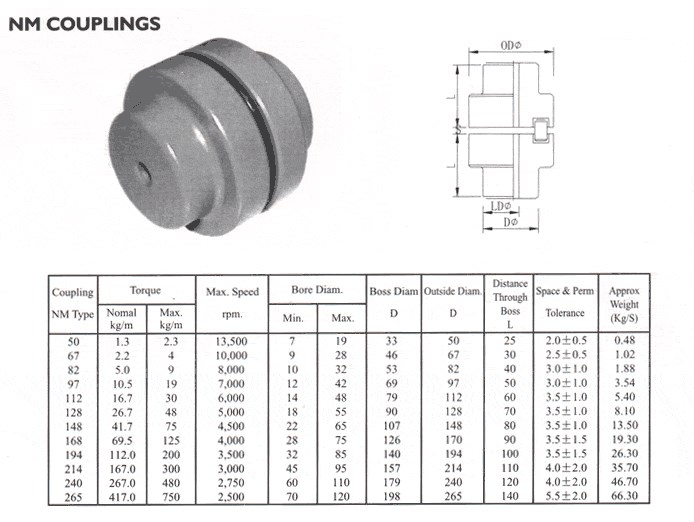
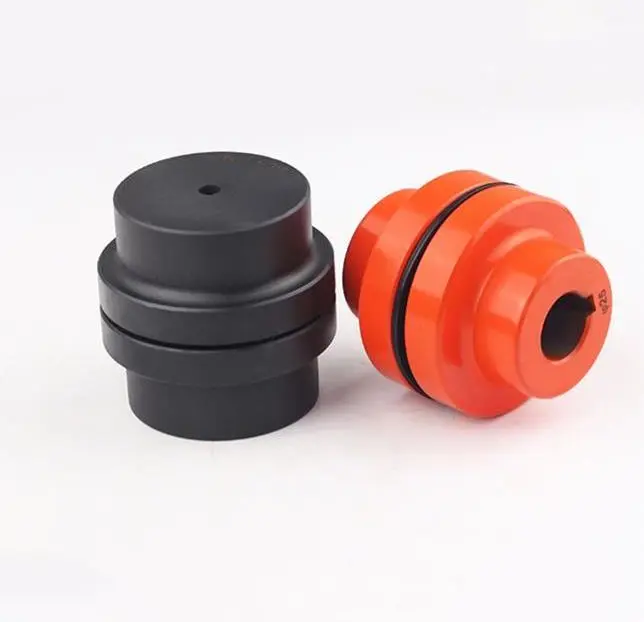
Can flexible couplings accommodate high torque and high-speed applications?
Yes, flexible couplings can accommodate both high torque and high-speed applications, but the suitability depends on the specific design and material of the flexible coupling. Different types of flexible couplings have varying torque and speed capacities, and it’s crucial to select the right type of coupling based on the application requirements.
High Torque Applications:
Some flexible couplings, such as gear couplings and disc couplings, are designed to handle high torque levels. Gear couplings consist of toothed hubs that mesh with each other, providing a robust and efficient torque transmission. They are commonly used in heavy-duty industrial applications, such as steel mills, mining equipment, and power generation plants, where high torque loads are prevalent.
Disc couplings are also suitable for high torque applications. They use a series of flexible metal discs that can handle significant torque while compensating for misalignment. Disc couplings are often used in high-speed machinery and critical applications where precise torque transmission is essential.
High-Speed Applications:
Flexible couplings can also be used in high-speed applications. For instance, certain disc couplings, elastomeric couplings, and grid couplings are capable of handling high rotational speeds. These couplings have low inertia, which means they can respond quickly to changes in speed and provide efficient power transmission at high RPMs.
Elastomeric couplings, such as jaw couplings and tire couplings, are commonly used in various industrial applications, including pumps, compressors, and fans, where both torque and speed requirements are high. They offer good flexibility and damping properties, making them suitable for applications with high-speed variations and vibrations.
Considerations:
When selecting a flexible coupling for high torque and high-speed applications, several factors should be considered:
- The torque and speed ratings provided by the coupling manufacturer should be checked to ensure they meet or exceed the application’s requirements.
- The design and materials of the coupling should be suitable for the specific operating conditions, including temperature, environment, and potential exposure to corrosive substances.
- Proper alignment and installation of the coupling are critical to ensure optimal performance and prevent premature wear.
- In some cases, it may be necessary to use additional components, such as torque limiters or speed reducers, to protect the coupling and the connected equipment from excessive loads or speed fluctuations.
In conclusion, flexible couplings can indeed accommodate high torque and high-speed applications, but the appropriate coupling type and proper selection are essential to ensure reliable and efficient performance in these demanding conditions.
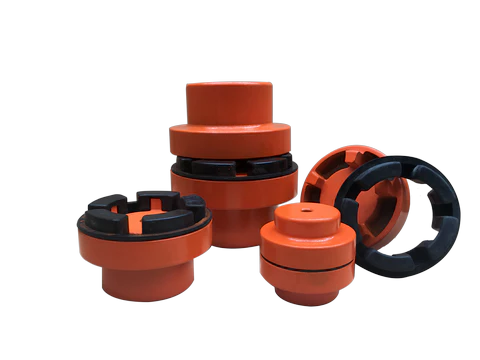
Kunnen flexibele koppelingen zowel voor motor-as- als as-asverbindingen worden gebruikt?
Ja, flexibele koppelingen kunnen in diverse toepassingen zowel voor motor-as- als as-asverbindingen worden gebruikt. De veelzijdigheid van flexibele koppelingen maakt het mogelijk om ze aan te passen aan verschillende soorten verbindingen en te voldoen aan de specifieke eisen van het systeem.
Motor-asverbindingen:
Bij het aansluiten van een motor op een as fungeert een flexibele koppeling als tussenstuk tussen de motoras en de aangedreven as. Flexibele koppelingen worden veelvuldig gebruikt in motoraangedreven systemen om uitlijningsverschillen tussen de motor en de aangedreven belasting op te vangen. In motortoepassingen helpen flexibele koppelingen de belasting en slijtage van de motorlagers te verminderen, waardoor de levensduur van de motor wordt verlengd en de algehele betrouwbaarheid van het systeem wordt verbeterd. Ze fungeren ook als trillingsdempers, waardoor trillingen die van de motor naar de aangedreven as en vervolgens naar de aangesloten apparatuur worden overgebracht, worden geminimaliseerd en een soepelere werking wordt gegarandeerd.
As-asverbindingen:
In veel mechanische systemen, zoals die in de productie-, automatiserings- en krachtoverbrengingsindustrie, zijn as-asverbindingen nodig. Een flexibele koppeling kan de opening tussen twee assen overbruggen en koppel overbrengen, terwijl tegelijkertijd uitlijningsafwijkingen worden opgevangen. Dit type koppeling wordt vaak gebruikt om assen te verbinden die niet perfect zijn uitgelijnd als gevolg van factoren zoals productietoleranties, thermische uitzetting of verzakking van de fundering. Door uitlijningsafwijkingen toe te staan, beschermt de flexibele koppeling de verbonden componenten tegen overmatige spanningen en zorgt deze voor een efficiënte krachtoverbrenging.
Veelzijdigheid en voordelen:
Doordat flexibele koppelingen zowel motor-as- als as-asverbindingen aankunnen, zijn ze veelzijdige oplossingen voor een breed scala aan industriële toepassingen. Enkele voordelen van het gebruik van flexibele koppelingen in deze verbindingen zijn:
- Het minimaliseren van spanning en slijtage op verbonden componenten, zoals lagers en afdichtingen.
- Het compenseren van uitlijningsfouten zorgt voor een soepele krachtoverbrenging.
- Het dempen van trillingen en schokbelastingen, waardoor het risico op mechanische storingen wordt verminderd.
- Het beschermen van apparatuur tegen overmatige krachten en het verhogen van de systeem betrouwbaarheid.
- Vereenvoudiging van installatie- en uitlijningsprocedures, waardoor de stilstandtijd wordt verkort.
- Verbetering van de algehele systeemprestaties en operationele efficiëntie.
Toepassingen:
Flexibele koppelingen vinden toepassing in een breed scala aan industrieën, waaronder de productie, materiaalverwerking, automobielindustrie, lucht- en ruimtevaart, robotica en meer. Of het nu gaat om het verbinden van een motor met een as of het rechtstreeks koppelen van twee assen, flexibele koppelingen spelen een cruciale rol in het verbeteren van de betrouwbaarheid en efficiëntie van roterende machines en mechanische systemen.
Kortom, flexibele koppelingen kunnen effectief dienen als verbindingsstukken voor zowel motor-as- als as-asverbindingen, en bieden essentiële compensatie voor uitlijningsfouten en bescherming voor aangesloten apparatuur in diverse industriële toepassingen.
What are the advantages of using flexible couplings in mechanical systems?
Flexible couplings offer several advantages in mechanical systems, making them essential components in various applications. Here are the key advantages of using flexible couplings:
- Compensatie voor verkeerde uitlijning: One of the primary advantages of flexible couplings is their ability to compensate for shaft misalignment. In mechanical systems, misalignment can occur due to various factors such as installation errors, thermal expansion, or shaft deflection. Flexible couplings can accommodate angular, parallel, and axial misalignment, ensuring smooth power transmission and reducing stress on the connected equipment and shafts.
- Trillingsdemping: Flexible couplings act as damping elements, absorbing and dissipating vibrations and shocks generated during operation. This feature helps to reduce noise, protect the equipment from excessive wear, and enhance overall system reliability and performance.
- Torsional Flexibility: Flexible couplings provide torsional flexibility, allowing them to handle slight angular and axial deflections. This capability protects the equipment from sudden torque fluctuations, shock loads, and torque spikes, ensuring smoother operation and preventing damage to the machinery.
- Overload Protection: In case of sudden overloads or torque spikes, flexible couplings can absorb and distribute the excess torque, protecting the connected equipment and drivetrain from damage. This overload protection feature prevents unexpected failures and reduces downtime in critical applications.
- Reduce Wear and Maintenance: By compensating for misalignment and damping vibrations, flexible couplings help reduce wear on the connected equipment, bearings, and seals. This results in extended component life and reduced maintenance requirements, leading to cost savings and improved system reliability.
- Compensation for Thermal Expansion: In systems exposed to temperature variations, flexible couplings can compensate for thermal expansion and contraction, maintaining proper alignment and preventing binding or excessive stress on the equipment during temperature changes.
- Electric Isolation: Some types of flexible couplings, such as disc couplings, offer electrical isolation between shafts. This feature is beneficial in applications where galvanic corrosion or electrical interference between connected components needs to be minimized.
- Space and Weight Savings: Flexible couplings often have compact designs and low inertia, which is advantageous in applications with space constraints and where minimizing weight is crucial for performance and efficiency.
- Cost-Effectiveness: Flexible couplings are generally cost-effective solutions for power transmission and motion control, especially when compared to more complex and expensive coupling types. Their relatively simple design and ease of installation contribute to cost savings.
In summary, flexible couplings play a vital role in mechanical systems by providing misalignment compensation, vibration damping, overload protection, and torsional flexibility. These advantages lead to improved system performance, reduced wear and maintenance, and enhanced equipment reliability, making flexible couplings a preferred choice in various industrial, automotive, marine, and aerospace applications.


editor by CX 2024-01-12