Productbeschrijving
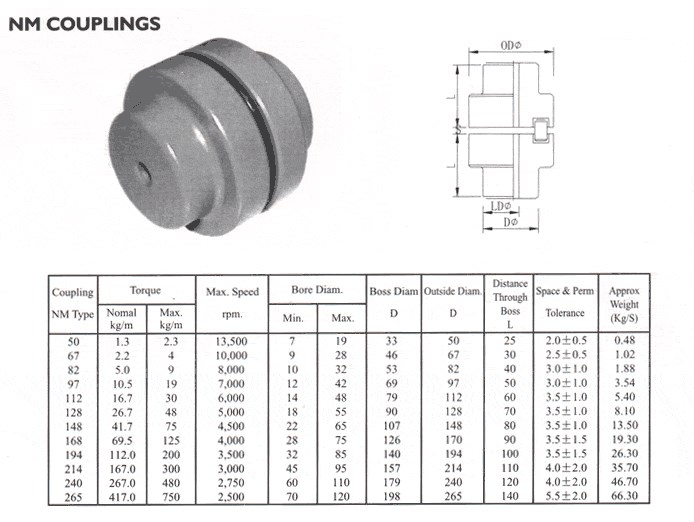
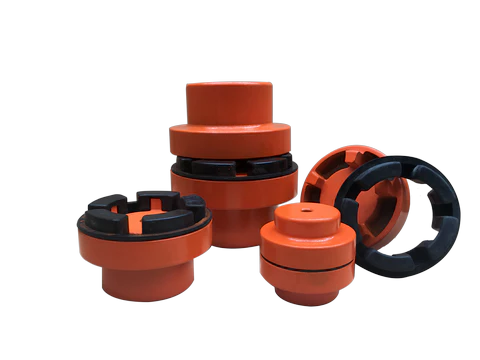
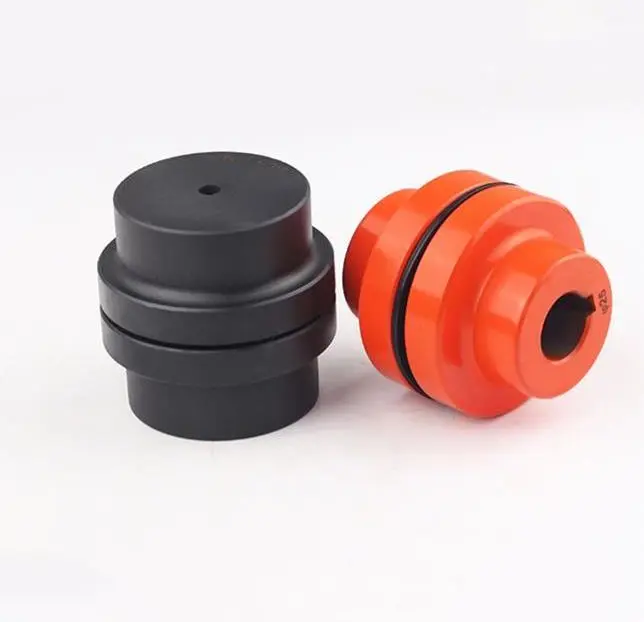
Cast Iron Steel Normex Flange Shaft Flexible Nm Coupling With Rubber Pu Element For Pump Motor
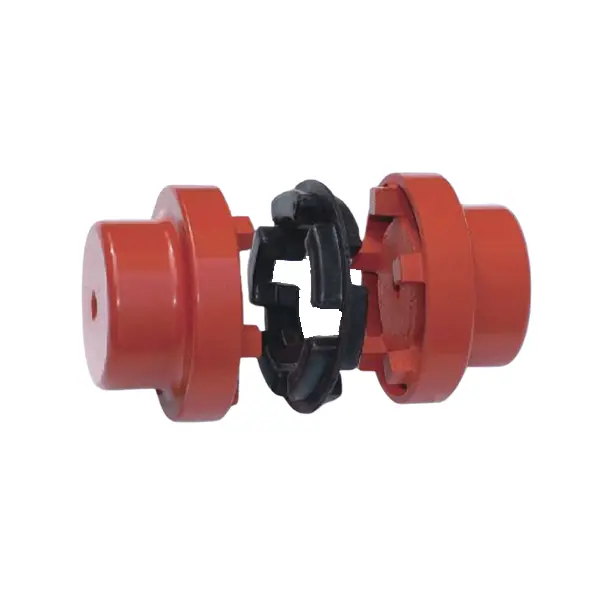
NM flexible shaft coupling is a cylindrical pin made of some non-metallic materials, which is placed between the 2 sides of the coupling and the inner surface of the outer ring, and a device to transfer the torque through the column pin to realize the connection between 2 half couplings. NM flexible shaft coupling between the slider made of bakelite cloth or polyurethane, suitable for high speed, large torque, no sharp impact of the 2 connections.
Product brand: EVER-POWER
Name of transmission part: waterpomp koppeling
Product structure: Het bestaat uit 2 gietijzeren klauwen en een binnenring van natuurlijk rubber.
Suitable shaft diameter: 7 mm-75 mm
Suitable motor power: binnen 60 pk / 45 kW
Productkenmerken:
1. The maximum torque is 125kgm 2. Stable operation and low noise 3. The product is made of cast iron and cast by precision die casting, so it is not easy to cause fracture during operation
Related products:
Production workshop:
Company information:
/* March 10, 2571 17:59:20 */!function(){function s(e,r){var a,o={};try{e&&e.split(“,”).forEach(function(e,t){e&&(a=e.match(/(.*?):(.*)$/))&&1
| Standaard of niet-standaard: | Standaard |
|---|---|
| Schachtgat: | 19-32 |
| Koppel: | >80 N.M |
| Boringdiameter: | 19 mm |
| Snelheid: | 4000r/M |
| Structuur: | Flexibele |
| Voorbeelden: |
US$ 9999/Piece
1 stuk (minimale bestelling) | |
|---|
How do flexible couplings compare to other types of couplings in terms of performance?
Flexible couplings offer distinct advantages and disadvantages compared to other types of couplings, making them suitable for specific applications. Here is a comparison of flexible couplings with other commonly used coupling types in terms of performance:
- Rigid Couplings:
Rigid couplings are simple in design and provide a solid connection between two shafts, allowing for precise torque transmission. They do not offer any flexibility and are unable to compensate for misalignment. As a result, rigid couplings require accurate shaft alignment during installation, and any misalignment can lead to premature wear and increased stress on connected equipment. Rigid couplings are best suited for applications where shaft alignment is precise, and misalignment is minimal, such as in well-aligned systems with short shaft spans.
- Flexible Couplings:
Flexible couplings, as discussed previously, excel at compensating for misalignment between shafts. They offer angular, parallel, and axial misalignment compensation, reducing stress on connected components and ensuring smooth power transmission. Flexible couplings are versatile and can handle various applications, from light-duty to heavy-duty, where misalignment, vibration damping, or shock absorption is a concern. They provide a cost-effective solution for many industrial, automotive, and machinery applications.
- Oldham-koppelingen:
Oldham couplings are effective at compensating for angular misalignment while maintaining constant velocity transmission. They offer low backlash and electrical isolation between shafts, making them suitable for precision motion control and applications where electrical interference must be minimized. However, Oldham couplings have limited capacity to handle parallel or axial misalignment, and they may not be suitable for applications with high torque requirements.
- Tandwielkoppelingen:
Gear couplings are robust and can handle high torque levels, making them suitable for heavy-duty applications such as mining and steel mills. They offer good misalignment compensation and have a compact design. However, gear couplings are relatively more expensive and complex than some other coupling types, and they may generate more noise during operation.
- Schijfkoppelingen:
Disc couplings provide excellent misalignment compensation, including angular, parallel, and axial misalignment. They have high torsional stiffness, making them ideal for applications where accurate torque transmission is critical. Disc couplings offer low inertia and are suitable for high-speed applications. However, they may be more sensitive to shaft misalignment during installation, requiring precise alignment for optimal performance.
- Conclusion:
The choice of coupling type depends on the specific requirements of the application. Flexible couplings excel in compensating for misalignment and vibration damping, making them versatile and cost-effective solutions for many applications. However, in situations where high torque, precision, or specific electrical isolation is necessary, other coupling types such as gear couplings, disc couplings, or Oldham couplings may be more suitable. Proper selection, installation, and maintenance of the coupling are essential to ensure optimal performance and reliability in any mechanical system.
What role does a flexible coupling play in reducing downtime and maintenance costs?
A flexible coupling plays a significant role in reducing downtime and maintenance costs in industrial machinery and rotating equipment. Here are the key ways in which flexible couplings contribute to these benefits:
- Compensatie voor verkeerde uitlijning: One of the primary functions of a flexible coupling is to accommodate misalignment between two connected shafts. Misalignment can occur due to various factors such as thermal expansion, foundation settling, or manufacturing tolerances. By allowing for misalignment, flexible couplings reduce the transmission of harmful forces and stresses to connected components, minimizing wear and preventing premature failures that could lead to costly downtime and repairs.
- Trillingsdemping: Flexible couplings have inherent damping properties due to the elastomeric or flexible elements they incorporate. These elements absorb and dissipate vibration and shock loads that may arise from the operation of rotating machinery. By dampening vibrations, flexible couplings protect the connected equipment from excessive wear and fatigue, extending their service life and reducing the need for frequent maintenance or replacement.
- Schokbelastingabsorptie: In applications where sudden loads or shocks are common, such as in heavy machinery or high-speed equipment, flexible couplings act as shock absorbers. They can absorb and dissipate the impact energy, preventing damage to the machinery and minimizing downtime caused by unexpected failures or breakdowns.
- Easy Installation and Alignment: Flexible couplings are designed for ease of installation and alignment. Unlike rigid couplings that require precise shaft alignment, flexible couplings can tolerate some degree of misalignment during installation. This feature simplifies the setup process, reduces installation time, and lowers the risk of misalignment-related issues, ultimately minimizing downtime during initial installation or replacement of couplings.
- Reduced Maintenance Frequency: The ability of flexible couplings to handle misalignment and dampen vibrations results in reduced wear on bearings, seals, and other connected components. Consequently, the frequency of maintenance intervals can be extended, reducing the need for frequent inspections and component replacements. This directly translates to lower maintenance costs and less downtime for maintenance tasks.
- Equipment Protection: By reducing the transmission of shock loads and vibrations, flexible couplings act as protective barriers for connected equipment. They help prevent catastrophic failures and subsequent damage to expensive machinery, avoiding unplanned shutdowns and costly repairs.
Overall, flexible couplings are critical components that improve the reliability and longevity of rotating equipment. Their ability to handle misalignment, dampen vibrations, and protect against shock loads contributes to reduced downtime, lower maintenance costs, and increased productivity in industrial applications.
Welke materialen worden doorgaans gebruikt bij de productie van flexibele koppelingen?
Flexibele koppelingen worden vervaardigd uit diverse materialen, elk met verschillende eigenschappen en kenmerken die geschikt zijn voor specifieke toepassingen. De materiaalkeuze hangt af van factoren zoals de eisen van de toepassing, omgevingsomstandigheden, koppelcapaciteit en gewenste flexibiliteit. Hieronder vindt u enkele veelgebruikte materialen voor de productie van flexibele koppelingen:
- Staal: Staal is een veelgebruikt materiaal in flexibele koppelingen vanwege zijn sterkte, duurzaamheid en uitstekende koppeloverdrachtseigenschappen. Stalen koppelingen zijn geschikt voor zware industriële toepassingen met hoge koppelvereisten en zware bedrijfsomstandigheden.
- Roestvrij staal: Roestvrij staal wordt vaak gebruikt voor de productie van flexibele koppelingen in omgevingen met een hoog corrosiepotentieel. Roestvrijstalen koppelingen bieden een uitstekende weerstand tegen roest en andere corrosieve elementen, waardoor ze ideaal zijn voor toepassingen in de scheepvaart, de voedingsmiddelenindustrie en de chemische industrie.
- Aluminium: Aluminium koppelingen zijn licht van gewicht, hebben een lage inertie en bieden een uitstekende balans. Ze worden veel gebruikt in toepassingen waar gewichtsbesparing cruciaal is, zoals in de lucht- en ruimtevaart en robotica.
- Messing: Messing koppelingen staan bekend om hun elektrische geleidbaarheid en worden gebruikt in toepassingen waar elektrische aarding of elektrische isolatie vereist is, zoals in bepaalde industriële machines of elektronische apparatuur.
- Gietijzer: Gietijzeren koppelingen bieden een goede sterkte en duurzaamheid en worden vaak gebruikt in industriële toepassingen waar weerstand tegen schokbelastingen en trillingen vereist is.
- Kunststof/Polymeer: Sommige flexibele koppelingen maken gebruik van hoogwaardige polymeren of kunststoffen, zoals polyurethaan of nylon. Deze materialen bieden goede flexibiliteit, lage wrijving en chemische bestendigheid. Kunststof koppelingen zijn geschikt voor toepassingen waar corrosiebestendigheid en een laag gewicht essentieel zijn.
- Elastomeren: Elastomeren worden in veel flexibele koppelingen gebruikt als flexibele elementen. Materialen zoals natuurrubber, neopreen of urethaan worden vaak gebruikt als elastomeer-spinnenelementen, die flexibiliteit en trillingsdempende eigenschappen bieden.
De keuze van het koppelingsmateriaal hangt af van de specifieke behoeften van de toepassing. Zo vereisen hoogwaardige en zware toepassingen mogelijk stalen of roestvrijstalen koppelingen vanwege hun robuustheid, terwijl toepassingen waarbij gewichtsbesparing cruciaal is, baat kunnen hebben bij aluminium of polymeerkoppelingen. Daarnaast wordt de materiaalkeuze beïnvloed door factoren zoals het temperatuurbereik, blootstelling aan chemicaliën en elektrische eisen in de bedrijfsomgeving van de toepassing.
Fabrikanten leveren doorgaans materiaalspecificaties voor hun koppelingen, waardoor gebruikers weloverwogen beslissingen kunnen nemen op basis van de specifieke eisen van hun toepassingen.


editor by CX 2024-01-10