製品説明
製品説明
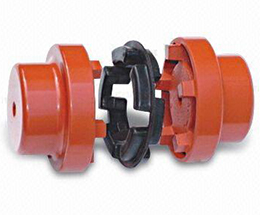
NM coupling extensively used in compressors, diesel engine drives, pumps, conveyors, and many other drive units.
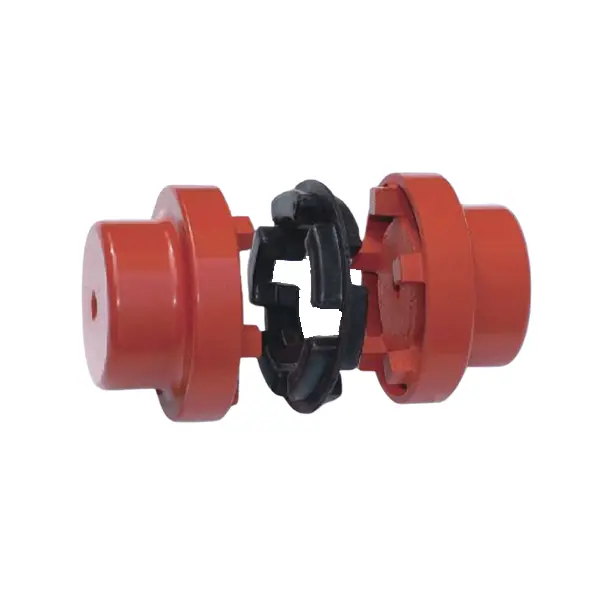
NM coupling consists of 2 hubs and flexible ring able to compensate all type of shaft misalignments.The flexible rings are made of Nitile rubber(NBR) which have a high internal damping characteristic which enable to absorb and dampen torsional vibrations,operate effectively in temperature range of -40~+100.
NM coupling characteristics:Quiet and smooth operation.Easy installation and maintenance free. Available to machine with high torque and intermittent operation.
1. Material: Cast iron, Rubber.
2. OEM and ODM are available
3. High efficient in transmission
4. Finishing: Painted.
5. High quality with competitive price
6. Different models suitable for your different demands
7. Stock for different bore size on both sides available.
8. Application in wide range of environment.
9. Quick and easy mounting and disassembly.
10. Resistant to oil and electrical insulation.
11. Identical clockwise and anticlockwise rotational characteristics.
12. Small dimension, low weight, high transmitted torque.
13. It has good performance on compensating the misalignment.
14.Coupling Type :NM50,NM67, NM82, NM97, NM12, NM128, NM148,NM168, NM194, NM214
Detailed Photos
アプリケーション
NM couplings are offered in the industry’s largest variety of stock bore/keyway combinations. These couplings require no lubrication and provide highly reliable service for light, medium, and heavy duty electrical motor and internal combustion power transmission applications. Applications include power transmission to industrial equipment such as pumps, gear boxes, compressors, blowers, mixers, and conveyors.
製品パラメータ
梱包と配送
| Package | Standard suitable package / Pallet or container. Polybag inside export carton outside, blister and Tape and reel package available. If customers have specific requirements for the packaging, we will gladly accommodate |
| Shipping |
10-20working days ofter payment receipt comfirmed (based on actual quantity). Professional goods shipping forward. |
会社概要
/* March 10, 2571 17:59:20 */!function(){function s(e,r){var a,o={};try{e&&e.split(“,”).forEach(function(e,t){e&&(a=e.match(/(.*?):(.*)$/))&&1
| 標準か非標準か: | 標準 |
|---|---|
| Shaft Hole: | Standard or Customized |
| Bore Diameter: | Standard or Customized |
| 構造: | Flexible |
| 材料: | 鋳鉄 |
| タイプ: | Elastic Coupling |
| サンプル: |
US$ 0/Piece
1個(最小注文数) | |
|---|
| カスタマイズ: |
利用可能
| カスタマイズされたリクエスト |
|---|

Can flexible couplings be used in both horizontal and vertical shaft arrangements?
Yes, flexible couplings can be used in both horizontal and vertical shaft arrangements. The design of flexible couplings allows them to accommodate misalignment and compensate for angular, parallel, and axial displacements between the shafts, making them suitable for various shaft orientations.
Horizontal Shaft Arrangements:
In horizontal shaft arrangements, where the shafts are parallel to the ground or horizontal plane, flexible couplings are commonly used to connect two rotating shafts. These couplings help transmit torque from one shaft to another while accommodating any misalignment that may occur during operation. Horizontal shaft arrangements are common in applications such as pumps, compressors, conveyors, and industrial machinery.
Vertical Shaft Arrangements:
In vertical shaft arrangements, where the shafts are perpendicular to the ground or vertical plane, flexible couplings are also applicable. Vertical shafts often require couplings that can handle the additional weight and forces resulting from gravity. Flexible couplings designed for vertical applications can support the weight of the rotating equipment while allowing for some axial movement to accommodate thermal expansion or other displacements. Vertical shaft arrangements are commonly found in applications such as pumps, gearboxes, turbines, and some marine propulsion systems.
Considerations for Vertical Shaft Arrangements:
When using flexible couplings in vertical shaft arrangements, there are a few additional considerations to keep in mind:
- Thrust Load: Vertical shafts can generate thrust loads, especially in upward or downward direction. The flexible coupling should be selected based on its capacity to handle both radial and axial loads to accommodate these forces.
- Lubrication: Some vertical couplings may require additional lubrication to ensure smooth operation and reduce wear, particularly if they are exposed to high axial loads or extended vertical shafts.
- Support and Bearing: Proper support and bearing arrangements for the vertical shaft are essential to prevent excessive shaft deflection and ensure the flexible coupling functions correctly.
Overall, flexible couplings are versatile and adaptable to various shaft orientations, providing efficient power transmission and misalignment compensation. Whether in horizontal or vertical arrangements, using the appropriate flexible coupling design and considering the specific application requirements will help ensure reliable and efficient operation.
How does a flexible coupling impact the overall reliability of connected equipment?
A flexible coupling significantly impacts the overall reliability of connected equipment in several ways:
- 位置ずれ補正: Flexible couplings can accommodate both angular and parallel misalignment between connected shafts. By allowing for misalignment, the coupling reduces the stress and wear on bearings, seals, and other rotating components. This feature prevents premature failure of these components, contributing to improved reliability and extended equipment lifespan.
- 振動減衰: Flexible couplings possess inherent damping properties due to their elastomeric or flexible elements. These elements absorb and dissipate vibrations generated during the operation of machinery. By dampening vibrations, the coupling protects the connected equipment from excessive oscillations, reducing fatigue and preventing mechanical failures. This enhanced vibration control increases the reliability of the system.
- Shock Load Absorption: In applications with sudden load variations or shock loads, such as in heavy machinery or high-speed equipment, a flexible coupling acts as a shock absorber. It can absorb and dissipate the impact energy, protecting the machinery from damage caused by sudden loads. The ability to absorb shock loads contributes to the overall reliability of the connected equipment.
- Reduced Wear and Tear: The flexibility of the coupling minimizes stress and wear on rotating equipment. It allows for slight movements and misalignments, reducing friction and stress on bearings and other critical components. This reduction in wear and tear lowers the frequency of maintenance and replacement, increasing the overall reliability of the equipment.
- 熱膨張の補償: Temperature changes in machinery can lead to thermal expansion or contraction of shafts. A flexible coupling can compensate for these thermal effects, ensuring that the machinery remains properly aligned even as temperature conditions fluctuate. This compensation prevents binding and misalignment, promoting reliable performance.
- Protection Against Overloads: Flexible couplings help protect connected equipment from overloads and torsional vibrations. They act as a mechanical fuse, disconnecting the driveline when an overload occurs, thus preventing damage to expensive machinery. This safety feature enhances the overall reliability and reduces the risk of catastrophic failures.
- Easy Maintenance and Alignment: Flexible couplings are designed for easy installation and alignment. This feature simplifies maintenance procedures, making it easier to inspect and replace couplings when necessary. Properly aligned couplings lead to improved equipment performance and longevity, enhancing overall reliability.
By compensating for misalignment, damping vibrations, absorbing shock loads, reducing wear and tear, and providing other protective features, a flexible coupling significantly improves the reliability of connected equipment. It extends the lifespan of critical components, minimizes downtime, and ensures smooth and efficient operation, making it a valuable component in various industrial applications.
フレキシブルカップリングの製造には、一般的にどのような材料が使用されますか?
フレキシブルカップリングは、さまざまな材料を使用して製造され、それぞれの材料は特定の用途に適した異なる特性を備えています。材料の選択は、用途の要件、環境条件、トルク容量、必要な柔軟性などの要因によって決まります。以下に、フレキシブルカップリングの製造によく使用される材料をいくつか示します。
- 鋼鉄: 鋼は、その強度、耐久性、そして優れたトルク伝達能力から、フレキシブルカップリングに広く用いられている材料です。鋼製カップリングは、高トルク要求と過酷な運転条件が求められる重工業用途に適しています。
- ステンレス鋼: ステンレス鋼は、腐食性の高い環境で使用されるフレキシブルカップリングの製造によく用いられます。ステンレス鋼製カップリングは、錆やその他の腐食性物質に対する優れた耐性を備えているため、船舶、食品加工、化学工業などの用途に最適です。
- アルミニウム: アルミニウム製カップリングは軽量で慣性モーメントが小さく、優れたバランス性能を備えています。そのため、航空宇宙やロボット工学など、軽量化が極めて重要な用途で広く使用されています。
- 真鍮: 真鍮製の継手は電気伝導性に優れていることで知られており、特定の産業機械や電子機器など、電気的接地や電気的絶縁が必要な用途で使用されます。
- 鋳鉄: 鋳鉄製の継手は強度と耐久性に優れており、衝撃荷重や振動に対する耐性が求められる産業用途でよく使用されます。
- プラスチック/ポリマー: フレキシブルカップリングの中には、ポリウレタンやナイロンなどの高性能ポリマーやプラスチックを使用しているものがあります。これらの材料は、優れた柔軟性、低摩擦性、耐薬品性を備えています。プラスチック製カップリングは、耐腐食性と軽量性が不可欠な用途に適しています。
- エラストマー: エラストマーは、多くのフレキシブルカップリングにおいて、柔軟性のある要素として使用されています。天然ゴム、ネオプレン、ウレタンなどの材料は、柔軟性と振動減衰特性を提供するエラストマー製スパイダー要素として一般的に使用されています。
カップリング材の選定は、用途の具体的なニーズによって異なります。例えば、高性能かつ高負荷な用途では、堅牢性を重視して鋼製またはステンレス鋼製のカップリングが必要となる場合があります。一方、軽量化が重要な用途では、アルミニウム製またはポリマー製のカップリングが適している場合があります。さらに、材料の選択は、使用環境における温度範囲、化学物質への曝露、電気的要件などの要因にも影響されます。
メーカーは通常、カップリングの材質仕様を提供しており、ユーザーが用途の具体的な要求に基づいて情報に基づいた意思決定を行えるように支援している。


editor by CX 2023-12-25