Descrizione del prodotto
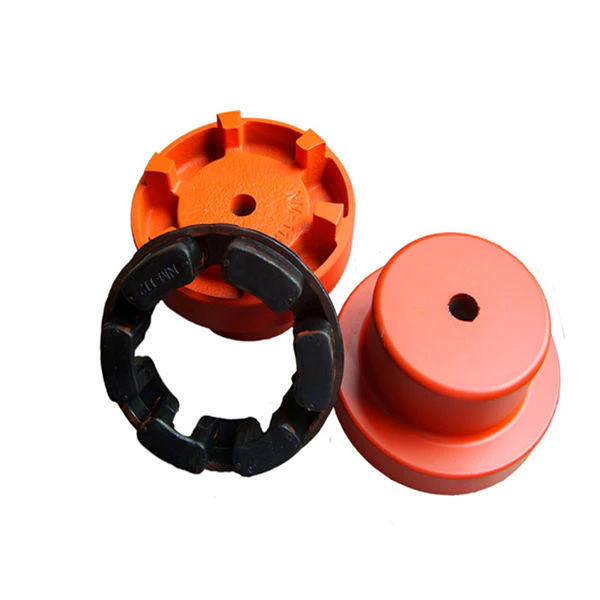
Flexible Cast Iron Forged Steel Quick Release Nm Coupling with Rubber Element Water Pump Motor Shaft Coupling Nm
NM flexible shaft coupling is a cylindrical pin made of some non-metallic materials, which is placed between the 2 sides of the coupling and the inner surface of the outer ring, and a device to transfer the torque through the column pin to realize the connection between 2 half couplings. NM flexible shaft coupling between the slider made of bakelite cloth or polyurethane, suitable for high speed, large torque, no sharp impact of the 2 connections.
Product brand: EVER-POWER
Name of transmission part: water pump coupling
Product structure: it is composed of 2 cast iron claws and a natural rubber inner ring
Suitable shaft diameter: 7mm-75mm
Suitable motor power: within 60hp / 45KW
Product features:
1. The maximum torque is 125kgm 2. Stable operation and low noise 3. The product is made of cast iron and cast by precision die casting, so it is not easy to cause fracture during operation
Related products:
Production workshop:
Company information:
| Standard o non standard: | Standard |
|---|---|
| Foro dell'albero: | 19-32 |
| Coppia: | >80N.M |
| Diametro del foro: | 19mm |
| Velocità: | 4000r/M |
| Struttura: | Flessibile |
| Esempi: |
US$ 9999/Piece
1 Piece(Min.Order) | |
|---|

What are the maintenance requirements for flexible couplings?
Maintenance of flexible couplings is essential to ensure their reliable and efficient performance over their service life. Proper maintenance helps prevent premature wear, reduces the risk of unexpected failures, and extends the lifespan of the couplings. Here are some key maintenance requirements for flexible couplings:
- Regular Inspection: Perform regular visual inspections of the flexible couplings to check for signs of wear, damage, or misalignment. Look for cracks, tears, or any other visible issues in the coupling components.
- Lubrication: Some flexible couplings, especially those with moving parts or sliding surfaces, may require periodic lubrication. Follow the manufacturer’s recommendations regarding the type and frequency of lubrication to ensure smooth operation.
- Alignment Checks: Misalignment is a common cause of coupling failure. Regularly check the alignment of the connected shafts and adjust as necessary. Proper alignment reduces stress on the coupling and improves power transmission efficiency.
- Torque Monitoring: Monitoring the torque transmitted through the coupling can help detect any abnormal or excessive loads. If the coupling is subjected to loads beyond its rated capacity, it may lead to premature failure.
- Environmental Protection: If the couplings are exposed to harsh environmental conditions, take measures to protect them from dust, dirt, moisture, and corrosive substances. Consider using protective covers or seals to shield the couplings from potential contaminants.
- Temperature Considerations: Ensure that the operating temperature of the flexible coupling is within its designed range. Excessive heat can accelerate wear, while extremely low temperatures may affect the flexibility of certain coupling materials.
- Replace Worn or Damaged Parts: If any components of the flexible coupling show signs of wear or damage, replace them promptly with genuine replacement parts from the manufacturer.
- Manufacturer’s Guidelines: Follow the maintenance guidelines provided by the coupling manufacturer. They often include specific maintenance intervals and procedures tailored to the coupling’s design and materials.
- Training and Expertise: Ensure that maintenance personnel have the necessary training and expertise to inspect and maintain the flexible couplings properly. Improper maintenance practices can lead to further issues and compromise the coupling’s performance.
By adhering to these maintenance requirements, you can maximize the service life of the flexible couplings and minimize the risk of unexpected downtime or costly repairs. Regular maintenance helps maintain the efficiency and reliability of the coupling in various industrial, automotive, and machinery applications.
Quali sono le differenze tra i giunti flessibili elastomerici e quelli metallici?
I giunti flessibili elastomerici e metallici sono due tipologie distinte utilizzate per trasmettere la coppia e compensare i disallineamenti nei sistemi meccanici. Ciascun tipo offre caratteristiche e vantaggi specifici, che li rendono adatti a diverse applicazioni.
Giunti flessibili elastomerici:
I giunti flessibili elastomerici, noti anche come giunti flessibili o a ganasce, utilizzano un materiale elastomerico (gomma o simili) come elemento flessibile. L'elastomero viene tipicamente stampato tra due mozzi e funge da connettore tra l'albero motore e l'albero condotto. Le principali differenze e caratteristiche dei giunti elastomerici includono:
- Compensazione del disallineamento: I giunti elastomerici sono progettati per gestire disallineamenti angolari, paralleli e assiali di moderata entità. Il materiale elastomerico si flette per compensare il disallineamento, trasmettendo al contempo la coppia tra gli alberi.
- Smorzamento delle vibrazioni: Il materiale elastomerico utilizzato in questi giunti offre eccellenti proprietà di smorzamento delle vibrazioni, riducendo la trasmissione delle vibrazioni da un albero all'altro. Questa caratteristica contribuisce a proteggere le apparecchiature collegate da vibrazioni eccessive e migliora l'affidabilità del sistema.
- Assorbimento del carico d'urto: I giunti elastomerici sono in grado di assorbire e smorzare i carichi d'urto, proteggendo il sistema da impatti improvvisi o sovraccarichi.
- Conveniente in termini di costi: I giunti elastomerici sono generalmente più convenienti rispetto ai giunti metallici, il che li rende una scelta popolare per diverse applicazioni industriali.
- Design e installazione semplici: I giunti elastomerici presentano spesso un design semplice, che ne facilita l'installazione e la manutenzione.
- Capacità di coppia inferiore: Questi giunti hanno una capacità di coppia inferiore rispetto ai giunti metallici, il che li rende adatti ad applicazioni con requisiti di coppia moderati.
- Applicazioni comuni: I giunti elastomerici sono comunemente utilizzati in pompe, compressori, ventilatori, nastri trasportatori e altre applicazioni che richiedono una trasmissione di coppia moderata e la compensazione del disallineamento.
Giunti flessibili metallici:
I giunti flessibili metallici utilizzano componenti metallici (come acciaio, acciaio inossidabile o alluminio) per collegare l'albero motore e l'albero condotto. Le caratteristiche dei giunti metallici possono variare notevolmente a seconda del tipo, ma alcune caratteristiche generali includono:
- Elevata capacità di coppia: Rispetto ai giunti elastomerici, i giunti metallici offrono una maggiore capacità di trasmissione della coppia. Sono particolarmente adatti per applicazioni che richiedono un'elevata capacità di gestione della coppia.
- Compensazione del disallineamento: A seconda del design, alcuni giunti metallici possono tollerare disallineamenti minimi, ma in genere non sono flessibili quanto i giunti elastomerici sotto questo aspetto.
- Costruzione più rigida: I giunti metallici sono generalmente più rigidi dei giunti elastomerici, offrendo un minore smorzamento delle vibrazioni ma una maggiore rigidità torsionale.
- Design compatto: I giunti metallici possono avere un design più compatto, il che li rende adatti ad applicazioni con spazio limitato.
- Maggiore precisione: I giunti metallici offrono spesso maggiore precisione e concentricità, con conseguente migliore allineamento degli alberi.
- Costo più elevato: I giunti metallici sono in genere più costosi dei giunti elastomerici a causa della loro costruzione e della maggiore capacità di coppia.
- Applicazioni comuni: I giunti metallici sono comunemente utilizzati in macchinari ad alta velocità, apparecchiature di precisione, robotica e applicazioni con elevati requisiti di coppia.
Riepilogo:
In sintesi, le principali differenze tra i giunti flessibili elastomerici e metallici risiedono nella flessibilità, nella capacità di coppia, nello smorzamento delle vibrazioni, nel costo e nelle applicazioni. I giunti elastomerici sono adatti per applicazioni con requisiti moderati di coppia, compensazione del disallineamento e smorzamento delle vibrazioni. I giunti metallici, invece, vengono scelti per applicazioni con requisiti di coppia e precisione più elevati, dove flessibilità e smorzamento delle vibrazioni sono meno critici.
How do you select the appropriate flexible coupling for a specific application?
Choosing the right flexible coupling for a specific application requires careful consideration of various factors to ensure optimal performance, reliability, and longevity. Here are the key steps to select the appropriate flexible coupling:
- Application Requirements: Understand the specific requirements of the application, including torque and speed specifications, misalignment conditions, operating environment (e.g., temperature, humidity, and presence of corrosive substances), and space limitations.
- Torque Capacity: Determine the maximum torque that the coupling needs to transmit. Choose a flexible coupling with a torque rating that exceeds the application’s requirements to ensure a safety margin and prevent premature failure.
- Compensazione del disallineamento: Consider the type and magnitude of misalignment that the coupling needs to accommodate. Different coupling designs offer varying degrees of misalignment compensation. Select a coupling that can handle the expected misalignment in the system.
- Smorzamento delle vibrazioni: If the application involves significant vibrations, choose a flexible coupling with good damping properties to reduce vibration transmission to connected equipment and improve system stability.
- Environmental Factors: Take into account the environmental conditions in which the coupling will operate. For harsh environments, consider couplings made from corrosion-resistant materials.
- Torsional Stiffness: Depending on the application’s requirements, decide on the desired torsional stiffness of the coupling. Some applications may require high torsional stiffness for precise motion control, while others may benefit from a more flexible coupling for shock absorption.
- Cost and Life-Cycle Considerations: Evaluate the overall cost-effectiveness of the coupling over its expected life cycle. Consider factors such as initial cost, maintenance requirements, and potential downtime costs associated with coupling replacement.
- Manufacturer Recommendations: Consult coupling manufacturers and their technical specifications to ensure the selected coupling is suitable for the intended application.
- Installation and Maintenance: Ensure that the selected flexible coupling is compatible with the equipment and shaft sizes. Follow the manufacturer’s installation guidelines and recommended maintenance practices to maximize the coupling’s performance and longevity.
By following these steps and carefully evaluating the application’s requirements, you can select the most appropriate flexible coupling for your specific needs. The right coupling choice will lead to improved system performance, reduced wear on equipment, and enhanced overall reliability in various mechanical systems and rotating machinery.


editor by CX 2023-12-04