Descrizione del prodotto
Descrizione del prodotto
MT YOX MH HRC GR GS NM NL GR42 T PU Polyurethane Rubber Coupling spider elastic gasket ring
Polyurethane or called PU, Urethane is 1 of the strongest, toughest and most durable materials for making custom urethane parts and custom urethane products.
Our company can produce and supply cast polyurethane elastomer, which has excellent chemical characters: oil resistant, CHINAMFG resistant, aging resistant, corrosion resistant, hydrolysis resistant, heat and cold resistant, etc. Also polyurethane has excellent physical characters: high tear resistant, high impact resistant, high elasticity, high load-bearing resistant, etc. Compared to rubber, plastic and other material, polyurethane offers perfect mechanical properties.
With our in-house mold making capabilities, and 3D printer, we’re able to easily manufacture precise shapes cost-effectively.
Polyurethane products mainly include: Polyurethane block of coal plates, polyurethane scraper, etc., to meet different customer needs, special orders can be made as drawing and sample.
Custom Polyurethane PU Part as per your design.
1. Material: PU Polyurethane or rubber
2. Size: According to your drawing or sample.
3. Color: Black, white, Transparent, gray, green, yellow, blue, red and so on.
Hand Cast Mold Polyurethane Parts PU Coupling Cushion, PU spider, PU coupling:
1. Most of the plastic corrosion resistance is strong, does not react with acid, alkali.
2. Plastic manufacturing cost is low.
3. Durable, waterproof, light.
4. Easy to be with molding into different shapes.
5. Is a good insulator.
6. Plastic can be used for the preparation of fuel oil and fuel gas, so that we can reduce oil consumption
|
Nome del prodotto |
Hand Cast Mold Polyurethane Parts PU Coupling Cushion, PU spider, PU coupling |
|
Materiale |
PU, ABS, PC, PP, PS, POM, PMMA, PBT, PVC, PA6, PA66, PA66+30% GF, PTFE, PC+ABS, TPE, etc |
|
Surface Finish |
Color painting,Texture, Silk-printing, Vacuum coating, rubber coating, etc. |
|
Cavity Variety: |
One-stop solution,Multi-cavity mold,Family plastic mold,Hot runner plastic mold |
|
Controllo qualità |
ISO/TS16949:2002 and ISO14001:2004 system |
|
Business Scope |
Mold and parts designing and making,Parts machining,Injection molding, CNC prototype manufacturing |
|
Mold Processing |
CNC EDM machine processing then assembly and trial |
|
Color |
Red, blue, green, yellow,all pantone colors and RAL colors |
Besides plum CHINAMFG pad, or called GR mat, polyurethane sprockets, coupling cushion gasket, etc, we also can customize various PU products according to your drawing. Some cases are below:
Parametri del prodotto
|
Feature: |
1.Abrasion resistant, High rebound, High load capacity |
|||
|
Advantage: |
Wear resistance,Tensile strength, Anti-static, High load capacity , Temperature resistant ,Mechanical formulation ,Oil resistance |
|||
|
Application: |
– Machine parts |
|||
Profilo Aziendale
HangZhou CITY SANSHI RUBBER CO.,LTD.
Was founded in 1980,we are located in HangZhou HangZhou city, ZheJiang province of China,
covers 9000 square meters,with more than hundred workemates and 30 sets of machinery equipment.
Rubber Oil seal are our major products also with customerized rubber parts , Rubber gaskets, Rubber damping blocks,Rubber sealing strip, Rubber sealing band,Polyurethane parts,Plastic Products, Bakelite Products , ring, Hardware stamping parts.
Our advantages
1. Various material.
2. We are direct factory, so small order quantity is acceptable and lots of samples are free.
3. There are about 8000 sets of moulds are free.
4. Our factory locates in the north of China, the cheaper labor cost brings us lower production cost.
5. With more than 30-year experience, we could supply you suitable solutions.
FAQ
Q1: Are you trading company or manufacturer?
We are a manufacturer specializing in rubber & plastic products.
Q2: Can I have a sample order for the product?
Yes, we welcome sample order to test and check quality.
Q3: Do you provide OEM/ODM service?
Yes, OEM/ODM are welcome.
Q4: I want to know more information, what should I do?
Welcome talk with us online or leave a message. Besides, you can also contact us by Email.
We will reply to you within 24 hours on weekdays.
Q5: What about the lead time?
Sample needs 5-7 days, mass production time is subject to your quantity. 15-20 days to deliver 1×20″ container of roof flashing for
instance.
Q6: Is it OK to print my logo on the product?
Yes. Please inform us formally before our production and confirm the design firstly based on our sample.
material: Polyurethane,
color: white, black, yellew, orange
feature: wearable, high qualtiy and best price
T type plum 6 corner pump pad
Performance and application:
This product is suitable for the pump and the drive mechanism to connect the elastic buffer.
Use temperature: 0C ~+80 0C -40
Product hardness: 5.75A + 5 +
Gauge: T200 – T40
Cars, tractors gearbox seal with nitrile rubber, its poor performance. Instead polyurethane elastomer seals, has good flexibility, water resistance, elasticity, abrasion resistance, low temperature resistance and mechanical strength.
custom-made is welcome, and the mold charge is for free.
| Material available | NBR, HNBR(H), HNBR(X), EPDM, NR,SBR, ACM,CFR,VMQ, CR,FKM(V), FFKM(K), PU, ECO,AFLAC |
| Mold | We can make mold by ourselves with competitive price, And if the quantity is up to 1000 pcs, the mold is for free. And more, for various oil seal, we have more than 10,000 molds in stock. |
| Size range | From 10mm to 2000mm Diameter |
| Weight range of products | 5g to 20kg |
| Colors available | Red, orange, yellow, green, blue, gray, purple, brown, milk color |
| processing equipment | Rubber molding machines, rubber injection machines, extruding machines. |
More about our company :
/* 22 gennaio 2571 19:08:37 */!function(){function s(e,r){var a,o={};try{e&&e.split(“,”).forEach(function(e,t){e&&(a=e.match(/(.*?):(.*)$/))&&1
| Servizio post-vendita: | Disponibile |
|---|---|
| Garanzia: | Disponibile |
| Condizione: | Nuovo |
| Certificazione: | ISO9001 |
| Standard: | ASTM |
| Personalizzato: | Personalizzato |
| Esempi: |
US$ 0.2/Piece
1 pezzo (ordine minimo) | |
|---|
| Personalizzazione: |
Disponibile
| Richiesta personalizzata |
|---|
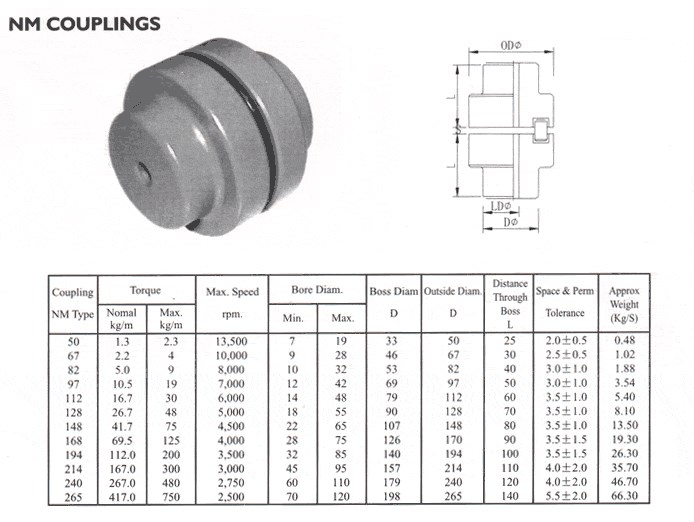
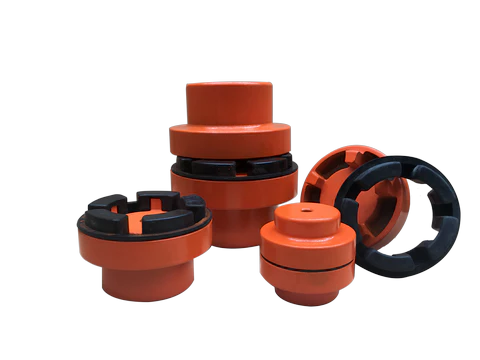
Quali settori industriali utilizzano comunemente giunti flessibili per la trasmissione di potenza?
I giunti flessibili sono ampiamente utilizzati in diversi settori industriali per la trasmissione di potenza e il controllo del movimento. La loro capacità di compensare i disallineamenti, smorzare le vibrazioni e proteggere le apparecchiature dai carichi d'urto li rende componenti preziosi in molti processi industriali. Ecco alcuni dei settori che utilizzano comunemente i giunti flessibili:
- Produzione: I giunti flessibili sono ampiamente utilizzati in settori manifatturieri come quello automobilistico, aerospaziale, elettronico e della produzione di beni di consumo. Svolgono un ruolo fondamentale nella trasmissione di potenza tra motori e vari macchinari, tra cui sistemi di trasporto, robot e linee di assemblaggio.
- Petrolio e gas: Nell'industria petrolifera e del gas, i giunti flessibili sono utilizzati in pompe, compressori, turbine e generatori. Contribuiscono al trasferimento di energia in piattaforme offshore, raffinerie, oleodotti e operazioni di perforazione, compensando la natura dinamica di queste applicazioni.
- Generazione di energia: Le centrali elettriche, sia convenzionali che a energia rinnovabile, si affidano a giunti flessibili per trasmettere l'energia dalle turbine e dai generatori ai generatori elettrici. Vengono utilizzati nelle centrali a carbone, a gas naturale, nucleari, idroelettriche ed eoliche.
- Attività mineraria: Nelle attività minerarie, i giunti flessibili vengono impiegati in diverse apparecchiature, tra cui sistemi di trasporto, frantoi e grandi pompe industriali. Sono progettati per resistere ai carichi pesanti e alle condizioni difficili che si riscontrano comunemente negli ambienti minerari.
- Marino: I giunti flessibili sono essenziali nei sistemi di propulsione marina, in quanto collegano i motori alle eliche o ai getti d'acqua. Trovano inoltre impiego nei macchinari di bordo, nei sistemi ausiliari e nelle applicazioni offshore.
- Cellulosa e carta: L'industria della cellulosa e della carta si affida ai giunti flessibili presenti nei macchinari utilizzati per la lavorazione del legno, la produzione di cellulosa, la fabbricazione della carta e i processi di stampa.
- Chimica e petrolchimica: Negli impianti chimici e nelle raffinerie petrolchimiche, i giunti flessibili vengono utilizzati in pompe, miscelatori, agitatori e altre apparecchiature rotanti per garantire un'efficiente trasmissione di potenza e proteggere i macchinari sensibili.
- Costruzione: Nell'industria edile, i giunti flessibili vengono impiegati in diverse attrezzature, come pompe per calcestruzzo, gru, escavatori e perforatrici.
- Acqua e acque reflue: I giunti flessibili vengono utilizzati negli impianti di trattamento delle acque, negli impianti di depurazione e nei sistemi di irrigazione per trasferire potenza tra motori e pompe.
- Agricoltura: Nelle macchine agricole, i giunti flessibili vengono utilizzati in trattori, mietitrebbie e sistemi di irrigazione, consentendo una trasmissione di potenza e un funzionamento efficienti.
La versatilità e l'adattabilità dei giunti flessibili li rendono componenti indispensabili in un'ampia gamma di settori, contribuendo ad aumentare l'affidabilità delle apparecchiature, a ridurre i tempi di inattività e a migliorare le prestazioni complessive del sistema.
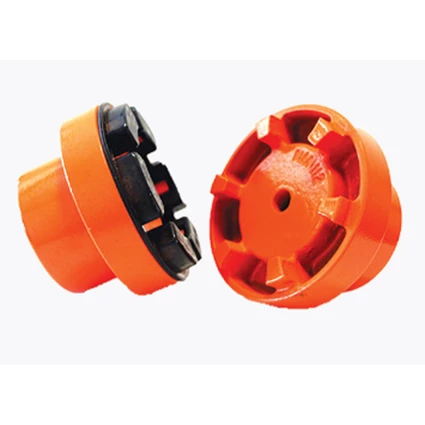
What are the factors to consider when choosing a flexible coupling for a specific system?
Choosing the right flexible coupling for a specific system requires careful consideration of several factors. The following are the key factors that should be taken into account:
- 1. Misalignment Requirements: Assess the type and magnitude of misalignment expected in the system. Different couplings are designed to handle specific types of misalignment, such as angular, parallel, or axial misalignment. Choose a coupling that can accommodate the expected misalignment to prevent premature wear and failure.
- 2. Torque Capacity: Determine the required torque capacity of the coupling to ensure it can transmit the necessary power between the shafts. Consider both the continuous and peak torque loads that the system may experience.
- 3. Operating Speed: Take into account the rotational speed of the system. High-speed applications may require couplings that can handle the additional centrifugal forces and balance requirements.
- 4. Temperature Range: Consider the operating temperature range of the system. Select a coupling material that can withstand the temperatures encountered without losing its mechanical properties.
- 5. Environment and Conditions: Evaluate the environmental conditions where the coupling will be used, such as exposure to moisture, chemicals, dust, or corrosive substances. Choose a coupling material that is compatible with the operating environment.
- 6. Space Constraints: Assess the available space for the coupling installation. Some couplings have compact designs suitable for applications with limited space.
- 7. Installation and Maintenance: Consider the ease of installation and maintenance. Some couplings may require special tools or disassembly for maintenance, while others offer quick and simple installation.
- 8. Torsional Stiffness: Evaluate the torsional stiffness of the coupling. A balance between flexibility and stiffness is essential to prevent excessive torsional vibrations while accommodating misalignment.
- 9. Shock and Vibration Damping: For applications with high shock loads or vibration, select a coupling with excellent damping characteristics to protect the system from excessive forces.
- 10. Cost and Budget: Compare the cost of the coupling with the overall budget for the system. Consider the long-term cost implications, including maintenance and replacement expenses.
Ultimately, the choice of a flexible coupling should align with the specific requirements and operating conditions of the system. Consulting with coupling manufacturers or engineering experts can provide valuable insights to ensure the optimal selection of a coupling that enhances system performance, reliability, and efficiency.
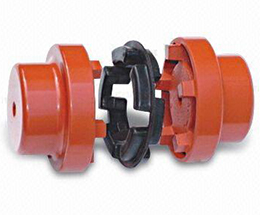
Can flexible couplings handle misalignment between shafts?
Yes, flexible couplings are specifically designed to handle misalignment between shafts in rotating machinery and mechanical systems. Misalignment can occur due to various factors, including installation errors, thermal expansion, manufacturing tolerances, or shaft deflection during operation.
Flexible couplings offer the ability to compensate for different types of misalignment, including:
- Disallineamento angolare: When the shafts are not collinear and have an angular offset, flexible couplings can accommodate this misalignment by flexing or twisting, allowing the two shafts to remain connected while transmitting torque smoothly.
- Disallineamento parallelo: Parallel misalignment occurs when the two shafts are not perfectly aligned along their axes. Flexible couplings can adjust to this misalignment, ensuring that the shafts remain connected and capable of transmitting power efficiently.
- Disallineamento assiale: Axial misalignment, also known as end float or axial displacement, refers to the relative axial movement of the two shafts. Some flexible coupling designs can accommodate axial misalignment, allowing for slight axial movements without disengaging the coupling.
The ability of flexible couplings to handle misalignment is essential in preventing premature wear and failure of the connected equipment. By compensating for misalignment, flexible couplings reduce the stress on the shafts, bearings, and seals, extending the service life of these components and improving overall system reliability.
It is crucial to select the appropriate type of flexible coupling based on the specific misalignment requirements of the application. Different coupling designs offer varying degrees of misalignment compensation, and the choice depends on factors such as the magnitude and type of misalignment, the torque requirements, and the operating environment.
In summary, flexible couplings play a vital role in handling misalignment between shafts, ensuring efficient power transmission and protecting mechanical systems from the adverse effects of misalignment. Their ability to accommodate misalignment makes them indispensable components in various industrial, automotive, aerospace, and marine applications.


editor by CX 2024-03-15