Descrizione del prodotto
Descrizione del prodotto
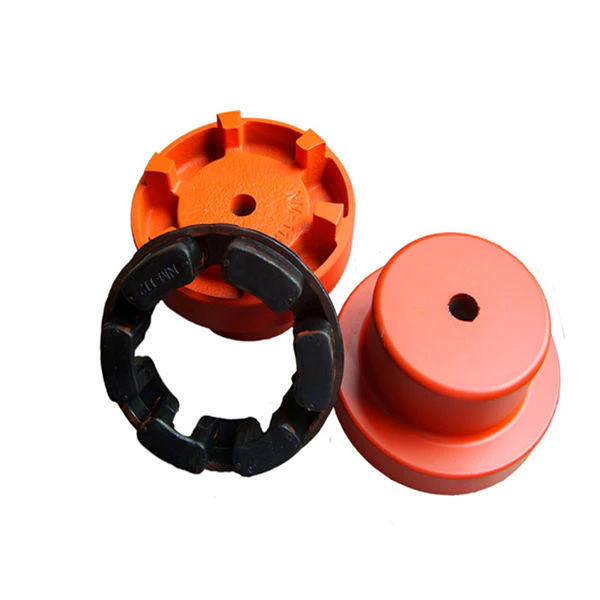
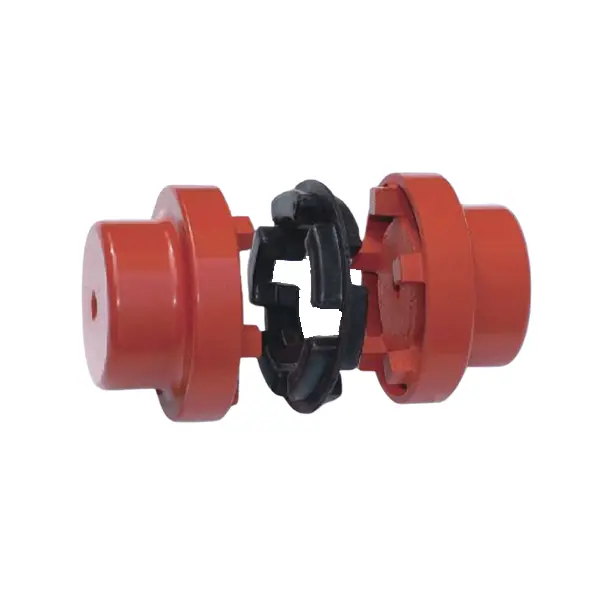
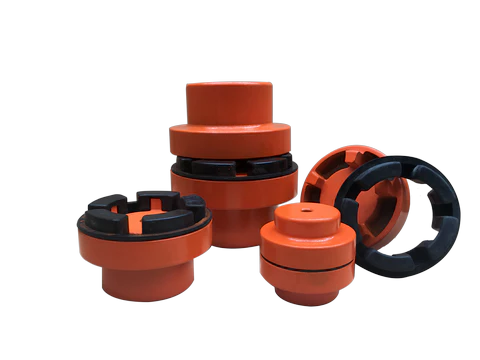
High Quality Supplier NM pump coupling water pump couplings
1.Construction:
1)NM type is precisely produced by a special designed synthetic rubber with 2 similar bodies of cast iron
2)Designed not only for the power transmission but also for protection of flexible rubber
3)Made of rubber and steel cores are inserted in the teeth so as to provide excellent durability and performance of coupling
2.Applications:
pumps, fans, compressors, vehicles, transporting equipments, constructors, cement mixers, tractors, transmission machines,
metal working machines, rollers and all other transmissions
3.Features:
1)Economical and practical using
2)Quiet and smooth operation
3)Easy installation and maintenance
4)Available to machines with high torque and intermittent operation
5)Characteristics of the synthetic rubber: proper elasticity and resistance to damping, oil, acids and alkalies
Parametri del prodotto
Packaging & Shipping
Packaging:
Chain+Plastic Bag+ Carton+Wooden case ( If you have other requirements, we can customized according to customer requirements packaging.)
Shipping :
1.Most of the standard ones are in stock which we can send in 3-10 days after inspection and package.
2. Customized products delivery time should be determined according to the number.
Profilo Aziendale
About Mighty Machinery
ZheJiang Mighty Machinery Co., Ltd., specializes in manufacturing Mechanical Power Transmission Products. After over 13 years hard work, MIGHTY have already get the certificate of ISO9001:2000 and become a holding company for 3 manufacturing factories.
MIGHTY advantage
1, Abundant experience in the mechanical processing industries.
2,Large quality of various material purchase and stock in warhouse which ensure the low cost for the material and production in time.
3,Now have 5 technical staff, we have strong capacity for design and process design, and more than 70 worker now work in our FTY and double shift eveyday.
4,Strick quality control are apply in the whole prodution. we have incoming inspection,process inspection and final production inspection which can ensure the perfect of the goods quality.
5,Long time cooperate with the Global Buyer, make us easy to understand the csutomer and handle the export.
FAQ
Q1: Are you trading company or manufacturer ?
A: We are factory.
Q2:Do you provide samples ? is it free or extra ?
A: : Yes, we could offer the sample but not for free.Actually we have a very good price principle, when you make the bulk order then cost of sample will be return to you.
Q3: How long is your delivery time?
A: Generally it is 10-15 days if the goods are in stock. or it is 7-25 days if the goods are not in stock, it is according to quantity.
Q4:How long is your warranty?
A: Our Warranty is 12 month.
Q5 :Do you have inspection procedures for coupling ?
A:100% self-inspection before packing
Q6. What’s your payment?
A:1) 100% T/T. 2) 30% in advance, others before shipment. 3) L/C Q7:Can I have a visit to your factory before the order? A: Sure,welcome to visit our factory.
/* January 22, 2571 19:08:37 */!function(){function s(e,r){var a,o={};try{e&&e.split(“,”).forEach(function(e,t){e&&(a=e.match(/(.*?):(.*)$/))&&1
| Standard o non standard: | Standard |
|---|---|
| Struttura: | Jaw / Spider |
| Material: | Cast Iron |
| Type: | Flessibile |
| Warranty: | 1 Year |
| Product Name: | Nm Flexible Couplings |
| Esempi: |
US$ 25.6/Piece
1 Piece(Min.Order) | |
|---|
| Personalizzazione: |
Disponibile
| Richiesta personalizzata |
|---|

What are the maintenance requirements for flexible couplings?
Maintenance of flexible couplings is essential to ensure their reliable and efficient performance over their service life. Proper maintenance helps prevent premature wear, reduces the risk of unexpected failures, and extends the lifespan of the couplings. Here are some key maintenance requirements for flexible couplings:
- Regular Inspection: Perform regular visual inspections of the flexible couplings to check for signs of wear, damage, or misalignment. Look for cracks, tears, or any other visible issues in the coupling components.
- Lubrication: Some flexible couplings, especially those with moving parts or sliding surfaces, may require periodic lubrication. Follow the manufacturer’s recommendations regarding the type and frequency of lubrication to ensure smooth operation.
- Alignment Checks: Misalignment is a common cause of coupling failure. Regularly check the alignment of the connected shafts and adjust as necessary. Proper alignment reduces stress on the coupling and improves power transmission efficiency.
- Torque Monitoring: Monitoring the torque transmitted through the coupling can help detect any abnormal or excessive loads. If the coupling is subjected to loads beyond its rated capacity, it may lead to premature failure.
- Environmental Protection: If the couplings are exposed to harsh environmental conditions, take measures to protect them from dust, dirt, moisture, and corrosive substances. Consider using protective covers or seals to shield the couplings from potential contaminants.
- Temperature Considerations: Ensure that the operating temperature of the flexible coupling is within its designed range. Excessive heat can accelerate wear, while extremely low temperatures may affect the flexibility of certain coupling materials.
- Replace Worn or Damaged Parts: If any components of the flexible coupling show signs of wear or damage, replace them promptly with genuine replacement parts from the manufacturer.
- Manufacturer’s Guidelines: Follow the maintenance guidelines provided by the coupling manufacturer. They often include specific maintenance intervals and procedures tailored to the coupling’s design and materials.
- Training and Expertise: Ensure that maintenance personnel have the necessary training and expertise to inspect and maintain the flexible couplings properly. Improper maintenance practices can lead to further issues and compromise the coupling’s performance.
By adhering to these maintenance requirements, you can maximize the service life of the flexible couplings and minimize the risk of unexpected downtime or costly repairs. Regular maintenance helps maintain the efficiency and reliability of the coupling in various industrial, automotive, and machinery applications.
Can flexible couplings be used in corrosive or harsh environments?
Yes, flexible couplings can be designed and selected to be used in corrosive or harsh environments. The choice of materials and coatings plays a crucial role in ensuring the coupling’s durability and performance under challenging conditions.
Corrosion-Resistant Materials:
In corrosive environments, it is essential to use materials that can withstand chemical attacks and oxidation. Stainless steel, specifically grades like 316 or 17-4 PH, is commonly chosen for flexible couplings in such situations. Stainless steel offers excellent corrosion resistance, making it suitable for applications where the coupling may come into contact with corrosive substances or moisture.
Special Coatings:
For certain harsh environments, coupling manufacturers may apply special coatings to enhance the coupling’s corrosion resistance. Examples of coatings include zinc plating, nickel plating, or epoxy coatings. These coatings provide an additional layer of protection against corrosive agents and help extend the coupling’s lifespan.
Sealed Designs:
In environments where the coupling is exposed to contaminants like dust, dirt, or moisture, sealed designs are preferred. Sealed flexible couplings prevent these substances from entering the coupling’s internal components, thus reducing the risk of corrosion and wear. The sealed design also helps to maintain the coupling’s performance over time in challenging conditions.
High-Temperature Applications:
For harsh environments with high temperatures, flexible couplings made from high-temperature resistant materials, such as certain heat-resistant stainless steels or superalloys, can be used. These materials retain their mechanical properties and corrosion resistance even at elevated temperatures.
Chemical Resistance:
For applications where the coupling might encounter chemicals or solvents, it is essential to select a coupling material that is chemically resistant. This prevents degradation and ensures the coupling’s integrity in such environments.
Specialized Designs:
In some cases, where the environment is exceptionally harsh or unique, custom-designed flexible couplings may be necessary. Engineering a coupling to meet the specific demands of the environment ensures optimal performance and reliability.
Consultation with Manufacturers:
When considering flexible couplings for corrosive or harsh environments, it is advisable to consult with coupling manufacturers or engineering experts. They can provide valuable insights and recommend suitable materials, coatings, and designs based on the specific operating conditions.
Riepilogo:
Flexible couplings can indeed be used in corrosive or harsh environments, provided the appropriate materials, coatings, and designs are chosen. Stainless steel, sealed designs, and special coatings are some of the solutions that enhance the coupling’s corrosion resistance and performance. It is essential to consider the specific environment and application requirements when selecting a flexible coupling to ensure optimal functionality and durability in challenging conditions.
Quali sono i vantaggi dell'utilizzo di giunti flessibili nei sistemi meccanici?
I giunti flessibili offrono numerosi vantaggi nei sistemi meccanici, rendendoli componenti essenziali in diverse applicazioni. Ecco i principali vantaggi derivanti dall'utilizzo di giunti flessibili:
- Compensazione del disallineamento: Uno dei principali vantaggi dei giunti flessibili è la loro capacità di compensare il disallineamento degli alberi. Nei sistemi meccanici, il disallineamento può verificarsi a causa di diversi fattori, come errori di installazione, dilatazione termica o flessione dell'albero. I giunti flessibili possono compensare disallineamenti angolari, paralleli e assiali, garantendo una trasmissione di potenza fluida e riducendo le sollecitazioni sulle apparecchiature e sugli alberi collegati.
- Smorzamento delle vibrazioni: I giunti flessibili fungono da elementi smorzanti, assorbendo e dissipando vibrazioni e urti generati durante il funzionamento. Questa caratteristica contribuisce a ridurre la rumorosità, a proteggere le apparecchiature dall'usura eccessiva e a migliorare l'affidabilità e le prestazioni complessive del sistema.
- Flessibilità torsionale: I giunti flessibili offrono flessibilità torsionale, consentendo loro di gestire lievi deflessioni angolari e assiali. Questa capacità protegge le apparecchiature da improvvise fluttuazioni di coppia, carichi d'urto e picchi di coppia, garantendo un funzionamento più fluido e prevenendo danni ai macchinari.
- Protezione da sovraccarico: In caso di sovraccarichi improvvisi o picchi di coppia, i giunti flessibili possono assorbire e distribuire la coppia in eccesso, proteggendo le apparecchiature collegate e la trasmissione da eventuali danni. Questa funzione di protezione dai sovraccarichi previene guasti imprevisti e riduce i tempi di inattività nelle applicazioni critiche.
- Riduzione dell'usura e della manutenzione: Compensando i disallineamenti e smorzando le vibrazioni, i giunti flessibili contribuiscono a ridurre l'usura delle apparecchiature, dei cuscinetti e delle guarnizioni collegate. Ciò si traduce in una maggiore durata dei componenti e in minori esigenze di manutenzione, con conseguente risparmio sui costi e miglioramento dell'affidabilità del sistema.
- Compensazione per dilatazione termica: Nei sistemi esposti a variazioni di temperatura, i giunti flessibili possono compensare la dilatazione e la contrazione termica, mantenendo il corretto allineamento e prevenendo bloccaggi o sollecitazioni eccessive sulle apparecchiature durante i cambiamenti di temperatura.
- Isolamento elettrico: Alcuni tipi di giunti flessibili, come i giunti a disco, offrono isolamento elettrico tra gli alberi. Questa caratteristica è vantaggiosa nelle applicazioni in cui è necessario ridurre al minimo la corrosione galvanica o le interferenze elettriche tra i componenti collegati.
- Risparmio di spazio e di peso: I giunti flessibili presentano spesso design compatti e bassa inerzia, il che risulta vantaggioso in applicazioni con vincoli di spazio e dove la riduzione del peso è fondamentale per le prestazioni e l'efficienza.
- Rapporto costi-efficacia: I giunti flessibili rappresentano generalmente soluzioni economiche per la trasmissione di potenza e il controllo del movimento, soprattutto se confrontati con tipologie di giunti più complesse e costose. La loro progettazione relativamente semplice e la facilità di installazione contribuiscono al risparmio sui costi.
In sintesi, i giunti flessibili svolgono un ruolo fondamentale nei sistemi meccanici, fornendo compensazione del disallineamento, smorzamento delle vibrazioni, protezione dai sovraccarichi e flessibilità torsionale. Questi vantaggi si traducono in migliori prestazioni del sistema, riduzione dell'usura e della manutenzione e maggiore affidabilità delle apparecchiature, rendendo i giunti flessibili la scelta preferita in diverse applicazioni industriali, automobilistiche, navali e aerospaziali.


editor by CX 2024-03-06