Descrizione del prodotto
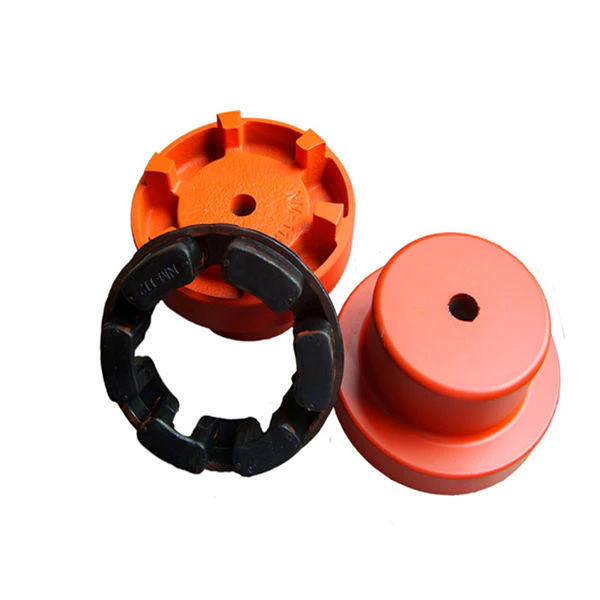
Cast Iron Steel Normex Flange Shaft Flexible Nm Coupling With Rubber Pu Element For Pump Motor
NM flexible shaft coupling is a cylindrical pin made of some non-metallic materials, which is placed between the 2 sides of the coupling and the inner surface of the outer ring, and a device to transfer the torque through the column pin to realize the connection between 2 half couplings. NM flexible shaft coupling between the slider made of bakelite cloth or polyurethane, suitable for high speed, large torque, no sharp impact of the 2 connections.
Product brand: EVER-POWER
Name of transmission part: water pump coupling
Product structure: it is composed of 2 cast iron claws and a natural rubber inner ring
Suitable shaft diameter: 7mm-75mm
Suitable motor power: within 60hp / 45KW
Product features:
1. The maximum torque is 125kgm 2. Stable operation and low noise 3. The product is made of cast iron and cast by precision die casting, so it is not easy to cause fracture during operation
Related products:
Production workshop:
Company information:
/* January 22, 2571 19:08:37 */!function(){function s(e,r){var a,o={};try{e&&e.split(“,”).forEach(function(e,t){e&&(a=e.match(/(.*?):(.*)$/))&&1
| Standard o non standard: | Standard |
|---|---|
| Foro dell'albero: | 19-32 |
| Coppia: | >80N.M |
| Diametro del foro: | 19mm |
| Velocità: | 4000r/M |
| Struttura: | Flessibile |
| Esempi: |
US$ 9999/Piece
1 pezzo (ordine minimo) | |
|---|
| Personalizzazione: |
Disponibile
| Richiesta personalizzata |
|---|

Come gestisce un giunto flessibile i disallineamenti angolari, paralleli e assiali?
Un giunto flessibile è progettato per compensare vari tipi di disallineamento tra due alberi rotanti: disallineamento angolare, disallineamento parallelo e disallineamento assiale. La flessibilità del giunto gli consente di mantenere la connessione tra gli alberi compensando al contempo questi tipi di disallineamento. Ecco come un giunto flessibile gestisce ciascun tipo di disallineamento:
- Disallineamento angolare: Il disallineamento angolare si verifica quando gli assi dei due alberi non sono collineari e formano un angolo tra loro. I giunti flessibili possono gestire il disallineamento angolare incorporando un elemento in grado di flettersi e piegarsi. Un design comune è l'elemento a "ragno" o a "ganascia", costituito da materiali elastomerici. Quando gli alberi sono disallineati, l'elemento elastomerico può deformarsi leggermente, consentendo al giunto di compensare lo scostamento angolare tra gli alberi e di trasmettere comunque la coppia.
- Disallineamento parallelo: Il disallineamento parallelo, noto anche come disallineamento di offset, si verifica quando gli assi dei due alberi sono paralleli ma non perfettamente allineati tra loro. I giunti flessibili possono gestire il disallineamento parallelo grazie allo stesso elemento elastomerico. La flessibilità dell'elemento gli consente di spostarsi e adattarsi all'offset tra gli alberi, garantendo una trasmissione continua della potenza e riducendo al minimo le sollecitazioni aggiuntive sui macchinari.
- Disallineamento assiale: Il disallineamento assiale, detto anche gioco assiale, si verifica quando i due alberi si avvicinano o si allontanano lungo il loro asse comune. I giunti flessibili possono gestire il disallineamento assiale grazie a specifiche soluzioni progettuali che consentono un movimento assiale limitato. Ad esempio, alcuni giunti utilizzano fori asolati o un elemento flottante che permette lo spostamento assiale mantenendo la connessione tra gli alberi.
Grazie alla capacità di gestire disallineamenti angolari, paralleli e assiali, i giunti flessibili offrono numerosi vantaggi per i sistemi di trasmissione di potenza:
- Contribuiscono a prevenire l'usura precoce e i danni alle apparecchiature collegate, riducendo i costi di manutenzione e sostituzione.
- Contribuiscono a ridurre al minimo le vibrazioni e gli urti, migliorando la fluidità e l'affidabilità complessive del macchinario.
- Riducono il rischio di guasti alle apparecchiature dovuti a sollecitazioni indotte da disallineamenti, migliorando la durata operativa del sistema.
- Consentono un'installazione e una regolazione dell'allineamento più semplici, risparmiando tempo e fatica durante la configurazione e la manutenzione.
Nel complesso, i giunti flessibili svolgono un ruolo cruciale nella gestione dei disallineamenti e nel garantire un'efficiente trasmissione di potenza in diverse applicazioni industriali.
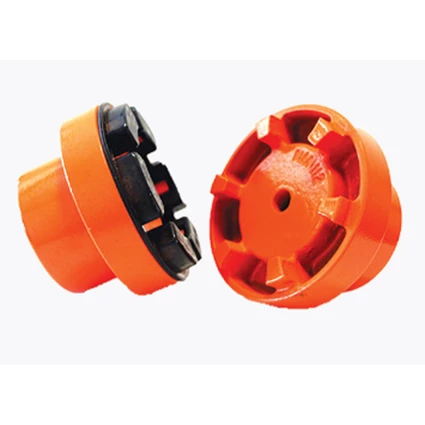
What are the factors to consider when choosing a flexible coupling for a specific system?
Choosing the right flexible coupling for a specific system requires careful consideration of several factors. The following are the key factors that should be taken into account:
- 1. Misalignment Requirements: Assess the type and magnitude of misalignment expected in the system. Different couplings are designed to handle specific types of misalignment, such as angular, parallel, or axial misalignment. Choose a coupling that can accommodate the expected misalignment to prevent premature wear and failure.
- 2. Torque Capacity: Determine the required torque capacity of the coupling to ensure it can transmit the necessary power between the shafts. Consider both the continuous and peak torque loads that the system may experience.
- 3. Operating Speed: Take into account the rotational speed of the system. High-speed applications may require couplings that can handle the additional centrifugal forces and balance requirements.
- 4. Temperature Range: Consider the operating temperature range of the system. Select a coupling material that can withstand the temperatures encountered without losing its mechanical properties.
- 5. Environment and Conditions: Evaluate the environmental conditions where the coupling will be used, such as exposure to moisture, chemicals, dust, or corrosive substances. Choose a coupling material that is compatible with the operating environment.
- 6. Space Constraints: Assess the available space for the coupling installation. Some couplings have compact designs suitable for applications with limited space.
- 7. Installation and Maintenance: Consider the ease of installation and maintenance. Some couplings may require special tools or disassembly for maintenance, while others offer quick and simple installation.
- 8. Torsional Stiffness: Evaluate the torsional stiffness of the coupling. A balance between flexibility and stiffness is essential to prevent excessive torsional vibrations while accommodating misalignment.
- 9. Shock and Vibration Damping: For applications with high shock loads or vibration, select a coupling with excellent damping characteristics to protect the system from excessive forces.
- 10. Cost and Budget: Compare the cost of the coupling with the overall budget for the system. Consider the long-term cost implications, including maintenance and replacement expenses.
Ultimately, the choice of a flexible coupling should align with the specific requirements and operating conditions of the system. Consulting with coupling manufacturers or engineering experts can provide valuable insights to ensure the optimal selection of a coupling that enhances system performance, reliability, and efficiency.
Can you explain the different types of flexible coupling designs available?
There are several types of flexible coupling designs available, each with its unique construction and characteristics. These designs are tailored to meet specific application requirements and address different types of misalignment and torque transmission needs. Here are some of the most common types of flexible couplings:
- Jaw Couplings: Jaw couplings consist of two hubs with curved jaws and an elastomer spider placed between them. The spider acts as a flexible element and can compensate for angular and parallel misalignment. Jaw couplings are widely used in various industrial applications due to their simple design and effectiveness in handling misalignment and vibration damping.
- Disc Couplings: Disc couplings use thin metallic discs with a series of alternating slits and flanges to connect the shafts. The disc coupling design allows for excellent misalignment compensation, including angular, parallel, and axial misalignment. Disc couplings are known for their high torsional stiffness and precise torque transmission capabilities.
- Gear Couplings: Gear couplings consist of toothed hubs connected by an external sleeve with gear teeth. They are well-suited for applications with high torque and moderate misalignment. Gear couplings offer good misalignment compensation and high torque capacity, making them popular in heavy-duty industrial applications.
- Beam Couplings: Beam couplings use a single piece of flexible material, often a metal beam, to connect the shafts. The material’s flexibility allows for angular and axial misalignment compensation. Beam couplings are compact, lightweight, and provide low inertia, making them suitable for applications with high-speed requirements.
- Bellows Couplings: Bellows couplings consist of a bellows-like flexible structure that connects the two hubs. They can compensate for angular, parallel, and axial misalignment. Bellows couplings are known for their high torsional stiffness and ability to maintain constant velocity transmission.
- Oldham Couplings: Oldham couplings use three discs, with the middle one having a perpendicular slot. This design allows for angular misalignment compensation while transmitting torque between the hubs. Oldham couplings are often used when electrical isolation between shafts is required.
Each flexible coupling design has its strengths and limitations, and the choice depends on factors such as the application’s torque requirements, misalignment conditions, operating environment, and speed. Proper selection of the coupling type ensures optimal performance, efficiency, and reliability in various mechanical systems and rotating machinery.


editor by CX 2024-05-15