Descrizione del prodotto
High Demand Custom Aluminum Precise Milling Spare Lathe Machining Cnc Machine Parts
Descrizione del prodotto
1. Precision CNC machining parts strictly follow customers’ drawing, packing, and quality requirements.
2. Tolerance: between+/-0.01mm;
3. The high-tech CMM inspector to ensure the quality;
4. Full-Experienced engineers and well professional trained workers;
5. Fast delivery time;
6. Professional advice for our customers;
Detailed Photos
Parametri del prodotto
Our advantage of cnc machining:
| Business Type | Beyond the Manufacturer and strong organized ability in the industrial |
| Benefits | 1. Deeper industrial experience at CNC machining parts service for more than 10-years,our customer’s requirement is our 1st priority. 2. 2D or 3D files is available; 3. We trust the quality priority and we insist the good quality should be based on the customers’ satisfied; 4. Without any MOQ requirement; 5.Faster delivery time; 6. Customized size and specification /OEM available 7. Near ZheJiang Port |
The material
| Materials Accept |
Stainless Steel | SS201, SS303, SS304, SS316 etc. |
| Steel | Q235, 20#, 45#, | |
| Brass | C36000 ( C26800), C37700 ( HPb59), C38500( HPb58), C27200(CuZn37) , C28000(CuZn40) | |
| Iron | 1213, 12L14,1215 etc. | |
| Bronze | C51000, C52100, C54400, etc. | |
| Aluminum | Al6061, Al6063,AL7075,AL5052 etc | |
| Plastic | ABS,POM,PC(Poly-Carbonate),PC+GF,PA(nylon),PA+GF, PMMA(acrylic)PEEK,PEI etc) |
Packaging & Shipping
- We prefer DHL or TNT express or other air freight between 1kg-100kg.
- we prefer sea freight more than 100kg or more than 1CBM
- As per customized specifications.
Profilo Aziendale
About us
HangZhou CHINAMFG Technology Co.,Ltd is located in HangZhou City, ZheJiang Province, Which closed the ZheJiang .The Emitech Technology is mainly engaged in the CNC Machinery Industrial Service for 15 years. Our Parts are sold to Europe, America, Japan, South Korea and China in various kinds of industrial.At present, Our company has CNC Turning machines and CNC centers and equip with professional quality and testing instruments.We have full OEM Experience from worldwide, providing them with One-stop solutions for a broad range of applications.We look CHINAMFG to cooperating with you!
Our Advantages
1. Precision CNC machining parts strictly follow customer’s drawing,packing and quality requirement.
2. Tolerance: between+/-0.01mm;
3. The high-tech CMM inspector to ensure the quality;
4. Full-Experienced engineers and well professional trained workers;
5. Fast delivery time;
6. Professional advice for our customers;
After Sales Service
High Demand Custom Aluminum Precise Milling Spare Lathe Machining Cnc Machine Parts
We usually provide 12 Months repair service. If our duty, we will respond to send the new parts.
Our Service
| Our Processing | CNC center, CNC milling, CNC turning, drilling, grinding, bending, stamping, tapping, |
| Surface finish | Polishing, sandblasting, Zinc-plated, nickel-plated, chrome-plated, silver-plated, gold-plated, imitation gold-plated, |
| Tolleranza | 0.05mm~0.1mm |
| QC System | 100% inspection before shipment |
| Drawing format | CAD / PDF/ DWG/ IGS/ STEP |
| Packaging | Plastic bag/Standard package / Carton or Pallet / As per customized specifications |
| Payment Terms | 30 -50%T/T in advance, 70-50% balance before delivery; Pay Pal or Western Union is acceptable. |
| Trade terms | EXW, FOB, CIF, As per the customer’s request |
| Shipment Terms |
1)We prefer DHL or TNT express or other air freight between 1kg-100kg. 2) we prefer sea freight more than 100kg or more than 1CBM |
| Note | The CNC machining parts are usually custom-made based on the customer’s drawings and samples. So we need the Down Payment |
/* January 22, 2571 19:08:37 */!function(){function s(e,r){var a,o={};try{e&&e.split(“,”).forEach(function(e,t){e&&(a=e.match(/(.*?):(.*)$/))&&1
| After-sales Service: | Repaire |
|---|---|
| Warranty: | Half a Year |
| Condition: | New |
| Standard: | DIN, ASTM, GOST, GB, JIS, ANSI |
| Customized: | Customized |
| Material: | Alloy |
| Esempi: |
US$ 10/Piece
1 Piece(Min.Order) | |
|---|
| Personalizzazione: |
Disponibile
| Richiesta personalizzata |
|---|
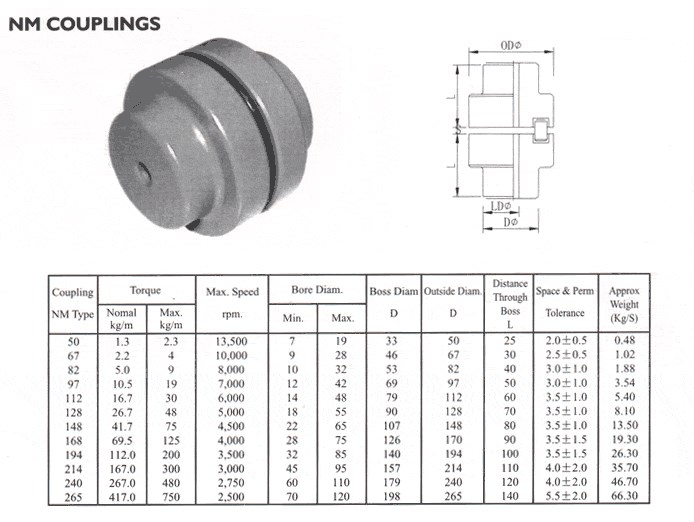
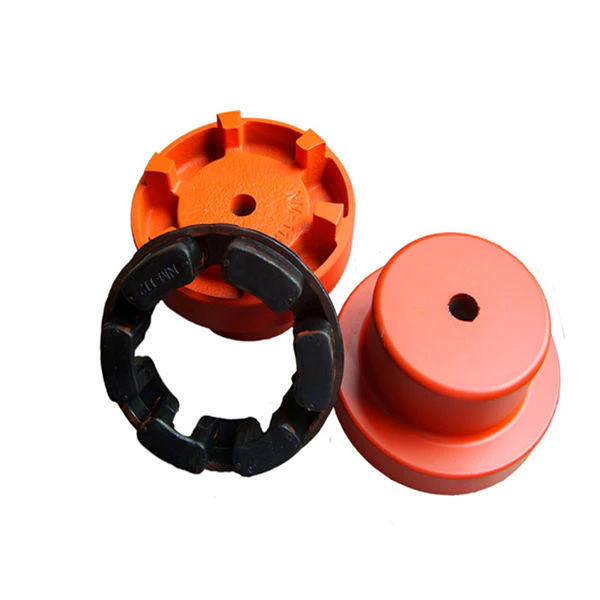
What are the maintenance requirements for flexible couplings?
Maintenance of flexible couplings is essential to ensure their reliable and efficient performance over their service life. Proper maintenance helps prevent premature wear, reduces the risk of unexpected failures, and extends the lifespan of the couplings. Here are some key maintenance requirements for flexible couplings:
- Regular Inspection: Perform regular visual inspections of the flexible couplings to check for signs of wear, damage, or misalignment. Look for cracks, tears, or any other visible issues in the coupling components.
- Lubrication: Some flexible couplings, especially those with moving parts or sliding surfaces, may require periodic lubrication. Follow the manufacturer’s recommendations regarding the type and frequency of lubrication to ensure smooth operation.
- Alignment Checks: Misalignment is a common cause of coupling failure. Regularly check the alignment of the connected shafts and adjust as necessary. Proper alignment reduces stress on the coupling and improves power transmission efficiency.
- Torque Monitoring: Monitoring the torque transmitted through the coupling can help detect any abnormal or excessive loads. If the coupling is subjected to loads beyond its rated capacity, it may lead to premature failure.
- Environmental Protection: If the couplings are exposed to harsh environmental conditions, take measures to protect them from dust, dirt, moisture, and corrosive substances. Consider using protective covers or seals to shield the couplings from potential contaminants.
- Temperature Considerations: Ensure that the operating temperature of the flexible coupling is within its designed range. Excessive heat can accelerate wear, while extremely low temperatures may affect the flexibility of certain coupling materials.
- Replace Worn or Damaged Parts: If any components of the flexible coupling show signs of wear or damage, replace them promptly with genuine replacement parts from the manufacturer.
- Manufacturer’s Guidelines: Follow the maintenance guidelines provided by the coupling manufacturer. They often include specific maintenance intervals and procedures tailored to the coupling’s design and materials.
- Training and Expertise: Ensure that maintenance personnel have the necessary training and expertise to inspect and maintain the flexible couplings properly. Improper maintenance practices can lead to further issues and compromise the coupling’s performance.
By adhering to these maintenance requirements, you can maximize the service life of the flexible couplings and minimize the risk of unexpected downtime or costly repairs. Regular maintenance helps maintain the efficiency and reliability of the coupling in various industrial, automotive, and machinery applications.
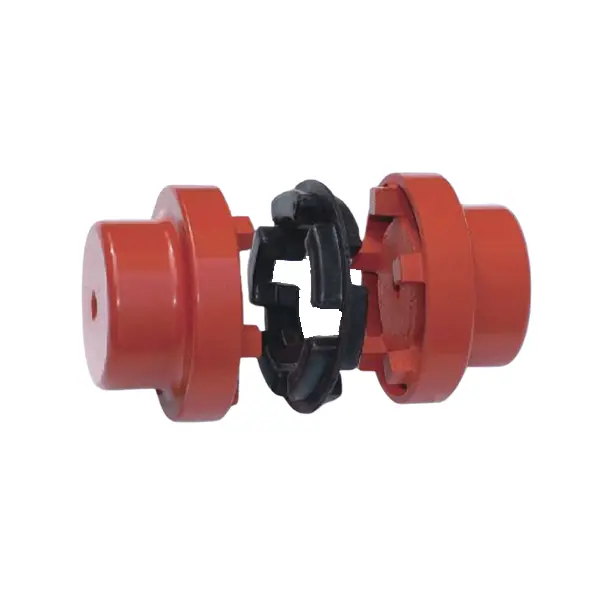
Can flexible couplings be used in corrosive or harsh environments?
Yes, flexible couplings can be designed and selected to be used in corrosive or harsh environments. The choice of materials and coatings plays a crucial role in ensuring the coupling’s durability and performance under challenging conditions.
Corrosion-Resistant Materials:
In corrosive environments, it is essential to use materials that can withstand chemical attacks and oxidation. Stainless steel, specifically grades like 316 or 17-4 PH, is commonly chosen for flexible couplings in such situations. Stainless steel offers excellent corrosion resistance, making it suitable for applications where the coupling may come into contact with corrosive substances or moisture.
Special Coatings:
For certain harsh environments, coupling manufacturers may apply special coatings to enhance the coupling’s corrosion resistance. Examples of coatings include zinc plating, nickel plating, or epoxy coatings. These coatings provide an additional layer of protection against corrosive agents and help extend the coupling’s lifespan.
Sealed Designs:
In environments where the coupling is exposed to contaminants like dust, dirt, or moisture, sealed designs are preferred. Sealed flexible couplings prevent these substances from entering the coupling’s internal components, thus reducing the risk of corrosion and wear. The sealed design also helps to maintain the coupling’s performance over time in challenging conditions.
High-Temperature Applications:
For harsh environments with high temperatures, flexible couplings made from high-temperature resistant materials, such as certain heat-resistant stainless steels or superalloys, can be used. These materials retain their mechanical properties and corrosion resistance even at elevated temperatures.
Chemical Resistance:
For applications where the coupling might encounter chemicals or solvents, it is essential to select a coupling material that is chemically resistant. This prevents degradation and ensures the coupling’s integrity in such environments.
Specialized Designs:
In some cases, where the environment is exceptionally harsh or unique, custom-designed flexible couplings may be necessary. Engineering a coupling to meet the specific demands of the environment ensures optimal performance and reliability.
Consultation with Manufacturers:
When considering flexible couplings for corrosive or harsh environments, it is advisable to consult with coupling manufacturers or engineering experts. They can provide valuable insights and recommend suitable materials, coatings, and designs based on the specific operating conditions.
Riepilogo:
Flexible couplings can indeed be used in corrosive or harsh environments, provided the appropriate materials, coatings, and designs are chosen. Stainless steel, sealed designs, and special coatings are some of the solutions that enhance the coupling’s corrosion resistance and performance. It is essential to consider the specific environment and application requirements when selecting a flexible coupling to ensure optimal functionality and durability in challenging conditions.
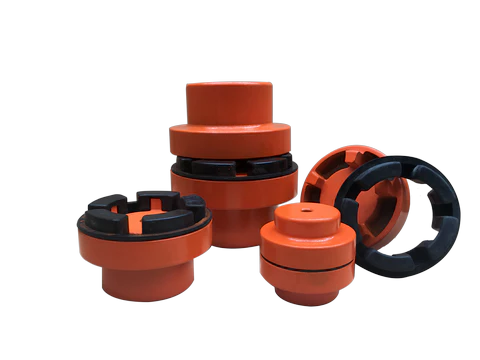
Quali sono i vantaggi dell'utilizzo di giunti flessibili nei sistemi meccanici?
I giunti flessibili offrono numerosi vantaggi nei sistemi meccanici, rendendoli componenti essenziali in diverse applicazioni. Ecco i principali vantaggi derivanti dall'utilizzo di giunti flessibili:
- Compensazione del disallineamento: Uno dei principali vantaggi dei giunti flessibili è la loro capacità di compensare il disallineamento degli alberi. Nei sistemi meccanici, il disallineamento può verificarsi a causa di diversi fattori, come errori di installazione, dilatazione termica o flessione dell'albero. I giunti flessibili possono compensare disallineamenti angolari, paralleli e assiali, garantendo una trasmissione di potenza fluida e riducendo le sollecitazioni sulle apparecchiature e sugli alberi collegati.
- Smorzamento delle vibrazioni: I giunti flessibili fungono da elementi smorzanti, assorbendo e dissipando vibrazioni e urti generati durante il funzionamento. Questa caratteristica contribuisce a ridurre la rumorosità, a proteggere le apparecchiature dall'usura eccessiva e a migliorare l'affidabilità e le prestazioni complessive del sistema.
- Flessibilità torsionale: I giunti flessibili offrono flessibilità torsionale, consentendo loro di gestire lievi deflessioni angolari e assiali. Questa capacità protegge le apparecchiature da improvvise fluttuazioni di coppia, carichi d'urto e picchi di coppia, garantendo un funzionamento più fluido e prevenendo danni ai macchinari.
- Protezione da sovraccarico: In caso di sovraccarichi improvvisi o picchi di coppia, i giunti flessibili possono assorbire e distribuire la coppia in eccesso, proteggendo le apparecchiature collegate e la trasmissione da eventuali danni. Questa funzione di protezione dai sovraccarichi previene guasti imprevisti e riduce i tempi di inattività nelle applicazioni critiche.
- Riduzione dell'usura e della manutenzione: Compensando i disallineamenti e smorzando le vibrazioni, i giunti flessibili contribuiscono a ridurre l'usura delle apparecchiature, dei cuscinetti e delle guarnizioni collegate. Ciò si traduce in una maggiore durata dei componenti e in minori esigenze di manutenzione, con conseguente risparmio sui costi e miglioramento dell'affidabilità del sistema.
- Compensazione per dilatazione termica: Nei sistemi esposti a variazioni di temperatura, i giunti flessibili possono compensare la dilatazione e la contrazione termica, mantenendo il corretto allineamento e prevenendo bloccaggi o sollecitazioni eccessive sulle apparecchiature durante i cambiamenti di temperatura.
- Isolamento elettrico: Alcuni tipi di giunti flessibili, come i giunti a disco, offrono isolamento elettrico tra gli alberi. Questa caratteristica è vantaggiosa nelle applicazioni in cui è necessario ridurre al minimo la corrosione galvanica o le interferenze elettriche tra i componenti collegati.
- Risparmio di spazio e di peso: I giunti flessibili presentano spesso design compatti e bassa inerzia, il che risulta vantaggioso in applicazioni con vincoli di spazio e dove la riduzione del peso è fondamentale per le prestazioni e l'efficienza.
- Rapporto costi-efficacia: I giunti flessibili rappresentano generalmente soluzioni economiche per la trasmissione di potenza e il controllo del movimento, soprattutto se confrontati con tipologie di giunti più complesse e costose. La loro progettazione relativamente semplice e la facilità di installazione contribuiscono al risparmio sui costi.
In sintesi, i giunti flessibili svolgono un ruolo fondamentale nei sistemi meccanici, fornendo compensazione del disallineamento, smorzamento delle vibrazioni, protezione dai sovraccarichi e flessibilità torsionale. Questi vantaggi si traducono in migliori prestazioni del sistema, riduzione dell'usura e della manutenzione e maggiore affidabilità delle apparecchiature, rendendo i giunti flessibili la scelta preferita in diverse applicazioni industriali, automobilistiche, navali e aerospaziali.


editor by CX 2024-04-24