Deskripsi Produk
Industrial Couplings Transmission Parts Flange Rigid Pin Spacer HRC Mh Nm Fenaflex Spacer Motor Shaft Universal Half Oldham Tyre Drive Industrial Couplings
Application of Industrial Couplings
Industrial couplings are mechanical devices that are used to transmit torque and power from 1 shaft to another. They are used in a wide variety of industries, including:
- Material handling: Industrial couplings are used in material handling equipment, such as conveyor belts, elevators, and cranes.
- Power generation: Industrial couplings are used in power generation equipment, such as turbines and generators.
- Process industries: Industrial couplings are used in process industries, such as chemical plants and refineries.
- Machine tools: Industrial couplings are used in machine tools, such as lathes and milling machines.
- Transportation: Industrial couplings are used in transportation equipment, such as ships, trains, and airplanes.
There are many different types of industrial couplings, each with its own advantages and disadvantages. The type of coupling that is best suited for a particular application will depend on a number of factors, including the amount of torque that needs to be transmitted, the misalignment between the shafts, and the environmental conditions.
Some of the most common types of industrial couplings include:
- Jaw couplings: Jaw couplings are simple and rugged couplings that are easy to install and maintain. They are well suited for applications where there is a risk of misalignment.
- Gear couplings: Gear couplings are more expensive than jaw couplings, but they can transmit more torque and are less susceptible to misalignment.
- Hirth couplings: Hirth couplings are the most expensive type of industrial coupling, but they can transmit the most torque and are the least susceptible to misalignment.
Industrial couplings are an essential part of many industrial machines and systems. They play a vital role in the transmission of torque and power, and they help to ensure the safe and efficient operation of these machines and systems.
Here are some additional benefits of using industrial couplings:
- Increased efficiency: Industrial couplings can help to improve the efficiency of machines and systems by reducing friction and vibration.
- Reduced downtime: Industrial couplings can help to reduce downtime by preventing damage to machines and systems.
- Improved safety: Industrial couplings can help to improve safety by preventing machines and systems from becoming overloaded.
Overall, industrial couplings offer a number of benefits that can help to improve the efficiency, safety, and reliability of machines and systems.
| Standar atau Nonstandar: | Standar |
|---|---|
| Lubang Poros: | 19-32 |
| Torsi: | >80 N.M |
| Diameter Lubang: | 19 mm |
| Kecepatan: | 4000r/M |
| Struktur: | Fleksibel |
| Contoh: |
US$ 9999/Potong
1 Buah (Minimum Pemesanan) | |
|---|

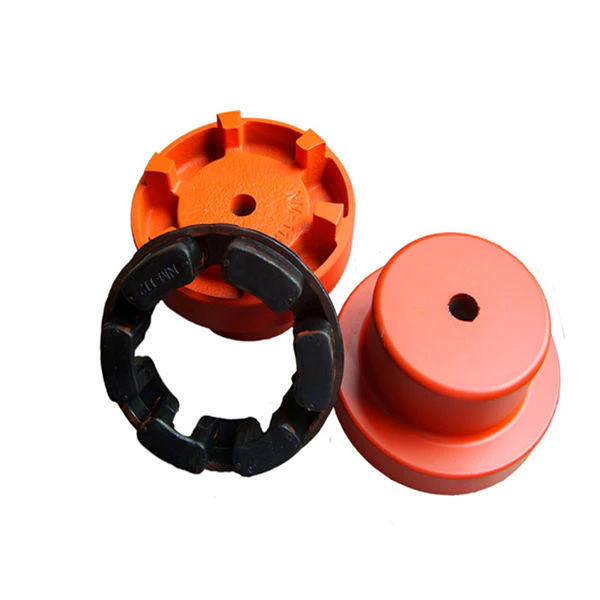
How does a flexible coupling handle angular, parallel, and axial misalignment?
A flexible coupling is designed to accommodate various types of misalignment between two rotating shafts: angular misalignment, parallel misalignment, and axial misalignment. The flexibility of the coupling allows it to maintain a connection between the shafts while compensating for these misalignment types. Here’s how a flexible coupling handles each type of misalignment:
- Angular Misalignment: Angular misalignment occurs when the axes of the two shafts are not collinear and form an angle with each other. Flexible couplings can handle angular misalignment by incorporating an element that can flex and bend. One common design is the “spider” or “jaw” element, which consists of elastomeric materials. As the shafts are misaligned, the elastomeric element can deform slightly, allowing the coupling to accommodate the angular offset between the shafts while still transmitting torque.
- Parallel Misalignment: Parallel misalignment, also known as offset misalignment, occurs when the axes of the two shafts are parallel but not perfectly aligned with each other. Flexible couplings can handle parallel misalignment through the same elastomeric element. The flexible nature of the element enables it to shift and adjust to the offset between the shafts, ensuring continuous power transmission while minimizing additional stresses on the machinery.
- Axial Misalignment: Axial misalignment, also called end-play misalignment, occurs when the two shafts move closer together or farther apart along their common axis. Flexible couplings can handle axial misalignment through specific designs that allow limited axial movement. For instance, some couplings use slotted holes or a floating member that permits axial displacement while maintaining the connection between the shafts.
By providing the capability to handle angular, parallel, and axial misalignment, flexible couplings offer several advantages for power transmission systems:
- They help to prevent premature wear and damage to the connected equipment, reducing maintenance and replacement costs.
- They minimize vibration and shock loads, enhancing the overall smoothness and reliability of the machinery.
- They reduce the risk of equipment failure due to misalignment-induced stresses, improving the system’s operational life.
- They allow for easier installation and alignment adjustments, saving time and effort during setup and maintenance.
Overall, flexible couplings play a crucial role in handling misalignment and ensuring efficient power transmission in various industrial applications.
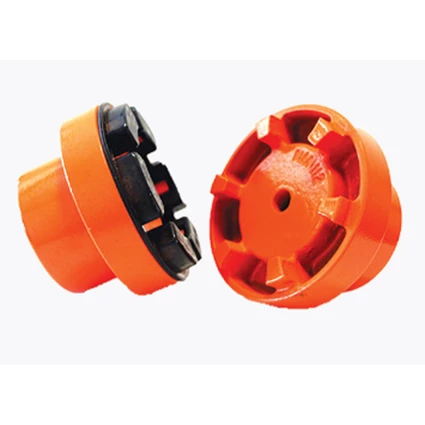
Faktor apa saja yang perlu dipertimbangkan saat memilih kopling fleksibel untuk sistem tertentu?
Memilih kopling fleksibel yang tepat untuk sistem tertentu memerlukan pertimbangan cermat terhadap beberapa faktor. Berikut adalah faktor-faktor kunci yang harus diperhatikan:
- 1. Persyaratan Ketidaksejajaran: Nilailah jenis dan besarnya ketidaksejajaran yang diperkirakan terjadi pada sistem. Kopling yang berbeda dirancang untuk menangani jenis ketidaksejajaran tertentu, seperti ketidaksejajaran sudut, paralel, atau aksial. Pilihlah kopling yang dapat mengakomodasi ketidaksejajaran yang diperkirakan untuk mencegah keausan dan kegagalan dini.
- 2. Kapasitas Torsi: Tentukan kapasitas torsi yang dibutuhkan dari kopling untuk memastikan kopling tersebut dapat mentransmisikan daya yang diperlukan antara poros. Pertimbangkan beban torsi kontinu dan beban torsi puncak yang mungkin dialami sistem.
- 3. Kecepatan Operasi: Perhatikan kecepatan rotasi sistem. Aplikasi kecepatan tinggi mungkin memerlukan kopling yang mampu menangani gaya sentrifugal tambahan dan persyaratan keseimbangan.
- 4. Kisaran Suhu: Pertimbangkan rentang suhu operasi sistem. Pilih material penghubung yang dapat menahan suhu yang ditemui tanpa kehilangan sifat mekaniknya.
- 5. Lingkungan dan Kondisi: Evaluasilah kondisi lingkungan tempat sambungan akan digunakan, seperti paparan kelembapan, bahan kimia, debu, atau zat korosif. Pilihlah material sambungan yang kompatibel dengan lingkungan operasional.
- 6. Keterbatasan Ruang: Perkirakan ruang yang tersedia untuk pemasangan kopling. Beberapa kopling memiliki desain kompak yang cocok untuk aplikasi dengan ruang terbatas.
- 7. Instalasi dan Pemeliharaan: Pertimbangkan kemudahan pemasangan dan perawatan. Beberapa sambungan mungkin memerlukan alat khusus atau pembongkaran untuk perawatan, sementara yang lain menawarkan pemasangan yang cepat dan sederhana.
- 8. Kekakuan Torsional: Evaluasilah kekakuan torsi dari sambungan tersebut. Keseimbangan antara fleksibilitas dan kekakuan sangat penting untuk mencegah getaran torsi yang berlebihan sekaligus mengakomodasi ketidaksejajaran.
- 9. Peredaman Guncangan dan Getaran: Untuk aplikasi dengan beban kejut atau getaran tinggi, pilihlah kopling dengan karakteristik peredaman yang sangat baik untuk melindungi sistem dari gaya yang berlebihan.
- 10. Biaya dan Anggaran: Bandingkan biaya pemasangan dengan anggaran keseluruhan sistem. Pertimbangkan implikasi biaya jangka panjang, termasuk biaya pemeliharaan dan penggantian.
Pada akhirnya, pemilihan kopling fleksibel harus sesuai dengan persyaratan spesifik dan kondisi operasi sistem. Konsultasi dengan produsen kopling atau ahli teknik dapat memberikan wawasan berharga untuk memastikan pemilihan kopling yang optimal yang meningkatkan kinerja, keandalan, dan efisiensi sistem.
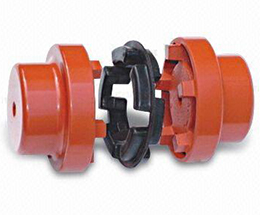
What is a flexible coupling and how does it work?
A flexible coupling is a mechanical device used to connect two shafts while allowing for relative movement between them. It is designed to transmit torque from one shaft to another while compensating for misalignment, vibration, and shock. Flexible couplings are essential components in various rotating machinery and systems, as they help protect the connected equipment and enhance overall performance.
Types of Flexible Couplings:
There are several types of flexible couplings, each with its unique design and characteristics. Some common types include:
- Jaw Couplings: Jaw couplings feature elastomer spiders that fit between two hubs. They can accommodate angular and parallel misalignment while dampening vibrations.
- Kopling Cakram: Disc couplings use thin metallic discs to connect the shafts. They are highly flexible and provide excellent misalignment compensation.
- Kopling Roda Gigi: Gear couplings use gear teeth to transmit torque. They offer high torque capacity and can handle moderate misalignment.
- Beam Couplings: Beam couplings use a single piece of flexible material, such as a metal beam, to transmit torque while compensating for misalignment.
- Bellows Couplings: Bellows couplings use a bellows-like structure to allow for axial, angular, and parallel misalignment compensation.
- Sambungan Oldham: Oldham couplings use three discs, with the middle one having a perpendicular slot to allow for misalignment compensation.
How a Flexible Coupling Works:
The operation of a flexible coupling depends on its specific design, but the general principles are similar. Let’s take the example of a jaw coupling to explain how a flexible coupling works:
- Two shafts are connected to the coupling hubs on either side, with an elastomer spider placed between them.
- When torque is applied to one shaft, it causes the spider to compress and deform slightly, transmitting the torque to the other shaft.
- In case of misalignment between the shafts, the elastomer spider flexes and compensates for the misalignment, ensuring smooth torque transmission without imposing excessive loads on the shafts or connected equipment.
- The elastomer spider also acts as a damping element, absorbing vibrations and shocks during operation, which reduces wear on the equipment and enhances system stability.
Overall, the flexibility and ability to compensate for misalignment are the key features that allow a flexible coupling to function effectively. The choice of a specific flexible coupling type depends on the application’s requirements, such as torque capacity, misalignment compensation, and environmental conditions.


editor by CX 2023-10-05