توضیحات محصول
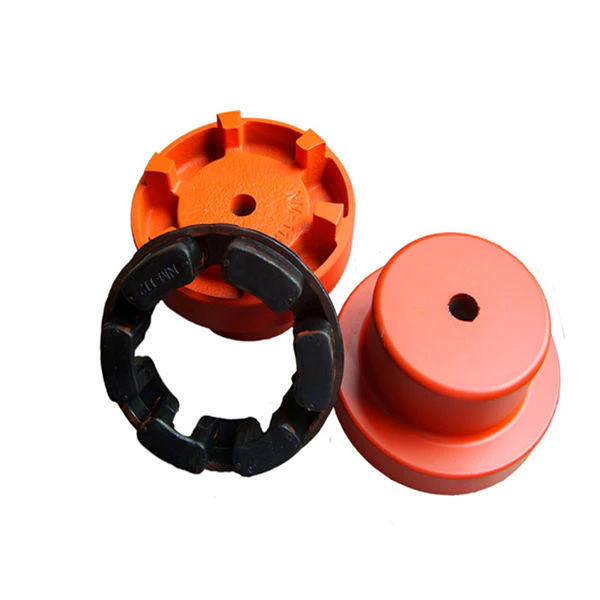
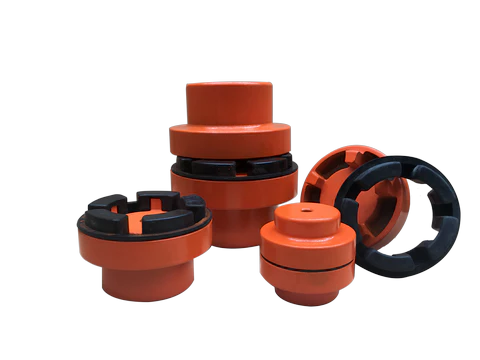
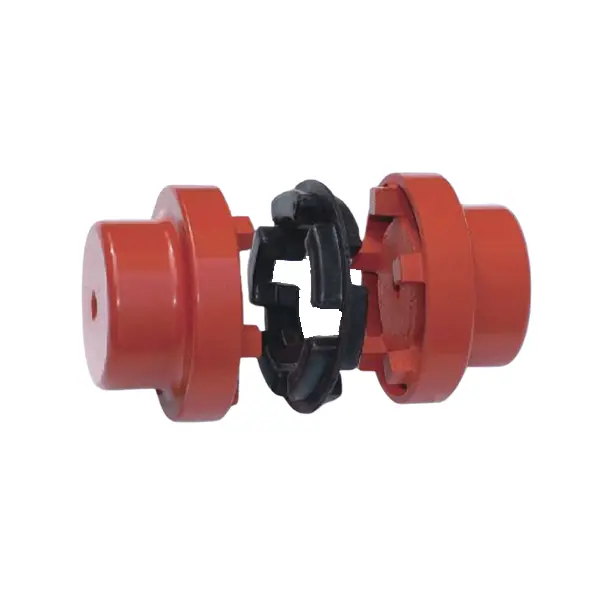
High Quality NM HRC FCL L Type Flexible Jaw Coupling
1. Material: Carbon steel, Alloy steel, Aluminum, Rubber and Cast Iron etc.
2. Finishing: Painted, blacken, zinc plated and so on.
3. OEM and ODM are available
4. Quick and easy mounting and disassembly.
5. High quality with competitive price
Our coupling type as below:
Chain Coupling: 3012, 4012, 4014, 4018, 5014, 5016, 5018, 6018, 6571, 6571, 8018, 8571, 8571, 1571, 12018, 12571
Tyre Coupling: A40,A50,A60,A70,A80,A90,A100,A110,A120,A140,A160,A180,A200
HRC Coupling: 70, 90, 110, 130, 150, 180, 230, 280
MH Coupling: 45, 55, 65, 80, 90, 115, 130, 145, 175, 200
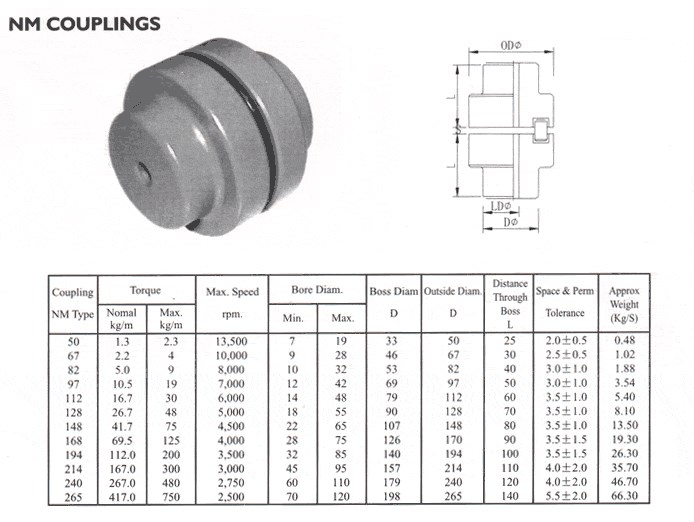
NM Coupling: 50, 67, 82, 97, 112, 128, 148, 168, 194, 214, 240, 265
Jaw Coupling: L035, L050, L070, L075, L090, L095, L099, L100, L110, L150, L190, L225
Flange Coupling: 90, 100, 112, 125, 140, 160, 180, 200, 224, 250, 280, 315, 355, 400, 450, 560, 630
Pin Coupling: 67, 83, 102, 134, 178, 204, 254, 318
Spacer Coupling: F40, F50, F60, F70, F80, F90, F100, F110, F120, F140
Jaw Coupling: L035, L050, L070, L075, L090, L095, L099, L100, L110, L150, L190, L225
HangZhou CHINAMFG Industry Co., Ltd. is a specialized supplier of a full range of chains, sprockets, gears, gear racks, v belt pulley, timing pulley, V-belts, couplings, machined parts and so on.
Due to our CHINAMFG in offering best service to our clients, understanding of your needs and overriding sense of responsibility toward filling ordering requirements, we have obtained the trust of buyers worldwide. Having accumulated precious experience in cooperating with foreign customers, our products are selling well in the American, European, South American and Asian markets. Our products are manufactured by modern computerized machinery and equipment. Meanwhile, our products are manufactured according to high quality standards, and complying with the international advanced standard criteria.
With many years’ experience in this line, we will be trusted by our advantages in competitive price, one-time delivery, prompt response, on-hand engineering support and good after-sales services.
Additionally, all our production procedures are in compliance with ISO9001 standards. We also can design and make non-standard products to meet customers’ special requirements. Quality and credit are the bases that make a corporation alive. We will provide best services and high quality products with all sincerity. If you need any information or samples, please contact us and you will have our soon reply.
| مواد: | Aluminium |
|---|---|
| صدور گواهینامه: | ISO |
| سفارشی: | سفارشی |
| Type: | HRC, Nm, FCL… |
| بسته حمل و نقل: | Standard Sea Worthy Package |
| Specification: | ISO |
| نمونهها: |
US$ 100/Piece
۱ قطعه (حداقل سفارش) | |
|---|
| سفارشی سازی: |
موجود است
| درخواست سفارشی |
|---|
How does a flexible coupling handle angular, parallel, and axial misalignment?
A flexible coupling is designed to accommodate various types of misalignment between two rotating shafts: angular misalignment, parallel misalignment, and axial misalignment. The flexibility of the coupling allows it to maintain a connection between the shafts while compensating for these misalignment types. Here’s how a flexible coupling handles each type of misalignment:
- ناهمترازی زاویهای: Angular misalignment occurs when the axes of the two shafts are not collinear and form an angle with each other. Flexible couplings can handle angular misalignment by incorporating an element that can flex and bend. One common design is the “spider” or “jaw” element, which consists of elastomeric materials. As the shafts are misaligned, the elastomeric element can deform slightly, allowing the coupling to accommodate the angular offset between the shafts while still transmitting torque.
- ناهمترازی موازی: Parallel misalignment, also known as offset misalignment, occurs when the axes of the two shafts are parallel but not perfectly aligned with each other. Flexible couplings can handle parallel misalignment through the same elastomeric element. The flexible nature of the element enables it to shift and adjust to the offset between the shafts, ensuring continuous power transmission while minimizing additional stresses on the machinery.
- ناهمترازی محوری: Axial misalignment, also called end-play misalignment, occurs when the two shafts move closer together or farther apart along their common axis. Flexible couplings can handle axial misalignment through specific designs that allow limited axial movement. For instance, some couplings use slotted holes or a floating member that permits axial displacement while maintaining the connection between the shafts.
By providing the capability to handle angular, parallel, and axial misalignment, flexible couplings offer several advantages for power transmission systems:
- They help to prevent premature wear and damage to the connected equipment, reducing maintenance and replacement costs.
- They minimize vibration and shock loads, enhancing the overall smoothness and reliability of the machinery.
- They reduce the risk of equipment failure due to misalignment-induced stresses, improving the system’s operational life.
- They allow for easier installation and alignment adjustments, saving time and effort during setup and maintenance.
Overall, flexible couplings play a crucial role in handling misalignment and ensuring efficient power transmission in various industrial applications.
Can flexible couplings be used for both motor-to-shaft and shaft-to-shaft connections?
Yes, flexible couplings can be used for both motor-to-shaft and shaft-to-shaft connections in various applications. The versatility of flexible couplings allows them to adapt to different types of connections and meet the specific requirements of the system.
Motor-to-Shaft Connections:
When connecting a motor to a shaft, a flexible coupling serves as an intermediary component that joins the motor shaft and the driven shaft. Flexible couplings are commonly used in motor-driven systems to accommodate misalignment between the motor and the driven load. In motor applications, flexible couplings help reduce stress and wear on the motor bearings, thus extending the motor’s life and enhancing overall system reliability. They also act as vibration dampeners, minimizing vibrations transmitted from the motor to the driven shaft, and subsequently to connected equipment, ensuring smoother operation.
Shaft-to-Shaft Connections:
In many mechanical systems, such as those in the manufacturing, automation, and power transmission industries, shaft-to-shaft connections are required. A flexible coupling can bridge the gap between two shafts and transmit torque while accommodating misalignment. This type of coupling is commonly used to connect shafts that are not perfectly aligned due to factors like manufacturing tolerances, thermal expansion, or foundation settling. By allowing for misalignment, the flexible coupling protects the connected components from excessive stresses and ensures efficient power transmission.
Versatility and Advantages:
The ability of flexible couplings to handle both motor-to-shaft and shaft-to-shaft connections makes them versatile solutions for a wide range of industrial applications. Some of the advantages of using flexible couplings in these connections include:
- Minimizing stress and wear on connected components, such as bearings and seals.
- Compensating for misalignment, ensuring smooth power transmission.
- Damping vibrations and shock loads, reducing the risk of mechanical failures.
- Protecting equipment from excessive forces, enhancing system reliability.
- Simplifying installation and alignment procedures, reducing downtime.
- Improving overall system performance and operational efficiency.
کاربردها:
Flexible couplings find applications in a wide range of industries, including manufacturing, material handling, automotive, aerospace, robotics, and more. Whether connecting a motor to a shaft or joining two shafts directly, flexible couplings play a crucial role in enhancing the reliability and efficiency of rotating machinery and mechanical systems.
In conclusion, flexible couplings can effectively serve as connectors for both motor-to-shaft and shaft-to-shaft connections, providing essential misalignment compensation and protection for connected equipment in various industrial applications.
چه موادی معمولاً در ساخت کوپلینگهای انعطافپذیر استفاده میشوند؟
کوپلینگهای انعطافپذیر با استفاده از مواد متنوعی ساخته میشوند که هر کدام خواص و ویژگیهای متفاوتی را برای کاربردهای خاص ارائه میدهند. انتخاب ماده به عواملی مانند الزامات کاربرد، شرایط محیطی، ظرفیت گشتاور و انعطافپذیری مورد نظر بستگی دارد. در اینجا برخی از مواد رایج در ساخت کوپلینگهای انعطافپذیر آورده شده است:
- فولاد: فولاد به دلیل استحکام، دوام و قابلیتهای عالی انتقال گشتاور، مادهای پرکاربرد در کوپلینگهای انعطافپذیر است. کوپلینگهای فولادی برای کاربردهای صنعتی سنگین با نیاز به گشتاور بالا و شرایط عملیاتی سخت مناسب هستند.
- فولاد ضد زنگ: فولاد ضد زنگ اغلب برای ساخت کوپلینگهای انعطافپذیر در محیطهایی با پتانسیل خوردگی بالا استفاده میشود. کوپلینگهای فولاد ضد زنگ مقاومت بسیار خوبی در برابر زنگزدگی و سایر عناصر خورنده دارند و آنها را برای کاربردهای دریایی، فرآوری مواد غذایی و صنایع شیمیایی ایدهآل میکنند.
- آلومینیوم: کوپلینگهای آلومینیومی سبک وزن هستند، اینرسی کمی دارند و تعادل بسیار خوبی را فراهم میکنند. آنها معمولاً در کاربردهایی که کاهش وزن بسیار مهم است، مانند هوافضا و رباتیک، استفاده میشوند.
- برنج: کوپلینگهای برنجی به دلیل رسانایی الکتریکی خود شناخته شدهاند و در کاربردهایی که نیاز به اتصال زمین یا ایزولاسیون الکتریکی است، مانند برخی ماشینآلات صنعتی یا تجهیزات الکترونیکی، مورد استفاده قرار میگیرند.
- چدن: کوپلینگهای چدنی استحکام و دوام خوبی دارند و اغلب در کاربردهای صنعتی که مقاومت در برابر بارهای ضربهای و ارتعاشات ضروری است، مورد استفاده قرار میگیرند.
- پلاستیک/پلیمر: برخی از کوپلینگهای انعطافپذیر از پلیمرها یا پلاستیکهای با کارایی بالا مانند پلی اورتان یا نایلون استفاده میکنند. این مواد انعطافپذیری خوب، اصطکاک کم و مقاومت در برابر مواد شیمیایی را فراهم میکنند. کوپلینگهای پلاستیکی برای کاربردهایی مناسب هستند که مقاومت در برابر خوردگی و سبک بودن ضروری است.
- الاستومرها: الاستومرها به عنوان عناصر انعطافپذیر در بسیاری از کوپلینگهای انعطافپذیر استفاده میشوند. موادی مانند لاستیک طبیعی، نئوپرن یا اورتان معمولاً به عنوان عناصر عنکبوتی الاستومری استفاده میشوند که انعطافپذیری و خواص میرایی ارتعاش را فراهم میکنند.
انتخاب جنس کوپلینگ به نیازهای خاص کاربرد بستگی دارد. به عنوان مثال، کاربردهای با کارایی بالا و سنگین ممکن است برای استحکام خود به کوپلینگهای فولادی یا فولاد ضد زنگ نیاز داشته باشند، در حالی که کاربردهایی که کاهش وزن بسیار مهم است ممکن است از کوپلینگهای آلومینیومی یا پلیمری بهره ببرند. علاوه بر این، انتخاب جنس تحت تأثیر عواملی مانند محدوده دما، قرار گرفتن در معرض مواد شیمیایی و الزامات الکتریکی در محیط عملیاتی کاربرد قرار میگیرد.
تولیدکنندگان معمولاً مشخصات مواد کوپلینگهای خود را ارائه میدهند و به کاربران کمک میکنند تا بر اساس نیازهای خاص کاربردهای خود، تصمیمات آگاهانهای بگیرند.


editor by CX 2023-10-19