Descripción del Producto
Descripción del Producto
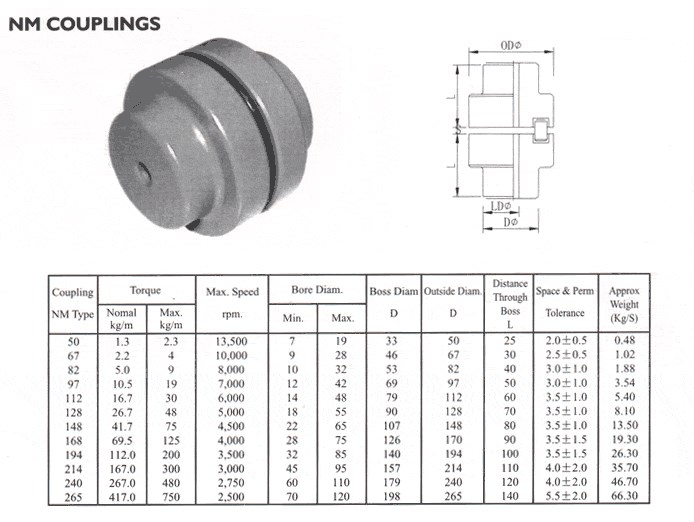
Manufacturer of all kinds of coupling, Jaw coupling included
Standard or non-standard
Achieving ISO9001: 2000 and ISO14001: 200
Manufacturer of all kinds of coupling, Jaw coupling included
Standard or non-standard
Achieving ISO9001: 2000 and ISO14001: 2004, so our quality can guarantee.
Nuestras ventajas
| WHY CHOOSE US |
Comprehensive Product Portfolio We produce and supply a wide range of power transmission
products including drive chains, leaf chains, conveyor chains, agricultural chains, sprockets, and
couplings. This one-store-for-all shopping experience will significantly reduce your searching costs while
guarantee youfind what you want at 1 click.
Value Choice Products Our products are the best combination of quality and price, and you get what
you want within your budgets
Seasoned Sales Associates and Engineers We have 15 seasoned sales associates and 5 engineers;
on our team at your disposal any time when you need a helping hand. They are well trained with industry
know-now and will always respond to your requests within 24 hours.
100% Customer Retention Rate Our regular customers from overseas come back not just for our
premium quality products, but for the superior services that we’ve provided over the years.
| Preguntas frecuentes |
| Q1: What’s your average lead time? A: It varies. Our regular end-to-end lead time is 1-2 months.. We also provide express shipments for rush orders. For details,please consult our sales associate. Q2: Is your price better than your competitors given the same quality? Q4: Can we inspect the goods before shipment? Q5: What kind of payment method is acceptable for your mill? Q6: What if I have any other questions? |
| Garantía: | 1 Year |
|---|---|
| Connection: | Female |
| Estructura: | Control |
| Flexible or Rigid: | Rigid |
| Material: | Carbon Steel |
| Estándar: | Estándar |
| Muestras: |
US$ 10/unidad
1 unidad (pedido mínimo) | |
|---|
| Personalización: |
Disponible
| Solicitud personalizada |
|---|
Are there any safety considerations when using flexible couplings in rotating machinery?
Yes, there are several safety considerations to keep in mind when using flexible couplings in rotating machinery. While flexible couplings offer numerous benefits in terms of misalignment compensation, vibration isolation, and shock absorption, improper use or maintenance can lead to safety hazards. Here are some important safety considerations:
- Proper Installation: Ensure that the flexible coupling is installed correctly and securely following the manufacturer’s guidelines. Improper installation can lead to coupling failure, unexpected disconnection, or ejection of coupling components, which may result in equipment damage or injury to personnel.
- Alignment: Proper shaft alignment is essential for the reliable and safe operation of flexible couplings. Misaligned shafts can cause excessive stress on the coupling and connected components, leading to premature wear and possible failure. Regularly check and maintain proper shaft alignment to prevent safety risks.
- Operating Conditions: Consider the environmental and operating conditions of the machinery when selecting a flexible coupling. Some couplings are designed for specific temperature ranges, hazardous environments, or corrosive atmospheres. Using a coupling that is not suitable for the operating conditions can compromise safety and performance.
- Torque and Speed Limits: Always operate the flexible coupling within its specified torque and speed limits. Exceeding these limits can cause coupling failure, leading to unexpected downtime, equipment damage, and potential safety hazards.
- Maintenance: Regularly inspect and maintain the flexible coupling to ensure its continued safe operation. Check for signs of wear, damage, or corrosion, and promptly replace any worn or damaged components with genuine parts from the manufacturer.
- Emergency Stop Mechanism: In applications where safety is critical, consider implementing an emergency stop mechanism to quickly halt machinery operation in case of coupling failure or other emergencies.
- Personal Protective Equipment (PPE): When working with rotating machinery or during maintenance tasks involving couplings, personnel should wear appropriate PPE, such as gloves, eye protection, and clothing that can resist entanglement hazards.
- Training and Awareness: Ensure that personnel working with the machinery understand the potential hazards associated with flexible couplings and receive proper training on safe handling, installation, and maintenance procedures.
By adhering to these safety considerations, operators and maintenance personnel can mitigate potential risks and ensure the safe and reliable operation of rotating machinery with flexible couplings. Additionally, it is essential to comply with relevant safety standards and regulations specific to the industry and application to ensure a safe working environment.
¿Se pueden utilizar acoplamientos flexibles en aplicaciones con temperaturas de funcionamiento variables?
Sí, los acoplamientos flexibles pueden utilizarse en aplicaciones con temperaturas de funcionamiento variables. La idoneidad de un acoplamiento flexible para un rango de temperatura específico depende de su diseño y de los materiales empleados en su fabricación. Existen diferentes tipos de acoplamientos flexibles para soportar una amplia gama de temperaturas, lo que los hace versátiles para su uso en diversas industrias y entornos.
Aplicaciones de alta temperatura:
Para aplicaciones con altas temperaturas de funcionamiento, como las que se encuentran en ciertos procesos industriales, sistemas de escape o maquinaria de alta temperatura, se utilizan acoplamientos flexibles fabricados con materiales de excelente resistencia al calor. Estos materiales pueden incluir aleaciones de acero inoxidable, aceros tratados térmicamente o elastómeros especializados de alta temperatura. Los acoplamientos flexibles de alta temperatura están diseñados para mantener sus propiedades mecánicas, incluyendo la flexibilidad y la capacidad de transmisión de par, incluso a temperaturas elevadas.
Aplicaciones a bajas temperaturas:
Por el contrario, para aplicaciones en entornos extremadamente fríos o procesos criogénicos, se emplean acoplamientos flexibles fabricados con materiales resistentes a bajas temperaturas. Estos acoplamientos están diseñados para mantener su flexibilidad y funcionalidad a temperaturas muy bajas sin volverse quebradizos ni perder su capacidad para compensar la desalineación. Algunos acoplamientos para bajas temperaturas pueden utilizar polímeros o elastómeros especiales con un excelente rendimiento a bajas temperaturas.
Consideraciones sobre el rango de temperatura:
Al seleccionar un acoplamiento flexible para aplicaciones con temperaturas de funcionamiento variables, es fundamental considerar el rango de temperatura específico en el que operará. Algunos acoplamientos flexibles tienen un rango de temperatura más amplio, lo que les permite funcionar eficazmente tanto en entornos de alta como de baja temperatura. Sin embargo, en condiciones de temperatura extremas, pueden ser necesarios acoplamientos especializados para garantizar un rendimiento fiable y evitar fallos prematuros.
Directrices del fabricante:
Los fabricantes de acoplamientos flexibles proporcionan directrices y especificaciones sobre el rango de temperatura de sus productos. Es fundamental consultar la documentación del fabricante para asegurarse de que el acoplamiento elegido sea adecuado para la temperatura de funcionamiento prevista de la aplicación. Utilizar un acoplamiento fuera de su rango de temperatura recomendado puede provocar problemas de rendimiento, una menor eficiencia o incluso fallos.
Aplicaciones:
Los acoplamientos flexibles con resistencia a la temperatura variable se utilizan en numerosas industrias, como la aeroespacial, la automotriz, la manufacturera, la de generación de energía y muchas más. Ya sea en sistemas de escape de alta temperatura, procesos criogénicos de baja temperatura o aplicaciones industriales habituales con fluctuaciones de temperatura, los acoplamientos flexibles desempeñan un papel fundamental al proporcionar una transmisión de potencia fiable y una compensación de desalineación.
En resumen, los acoplamientos flexibles pueden utilizarse eficazmente en aplicaciones con temperaturas de funcionamiento variables, siempre que el diseño y las propiedades del material del acoplamiento se ajusten a los requisitos de temperatura específicos de la aplicación.
What is a flexible coupling and how does it work?
A flexible coupling is a mechanical device used to connect two shafts while allowing for relative movement between them. It is designed to transmit torque from one shaft to another while compensating for misalignment, vibration, and shock. Flexible couplings are essential components in various rotating machinery and systems, as they help protect the connected equipment and enhance overall performance.
Types of Flexible Couplings:
There are several types of flexible couplings, each with its unique design and characteristics. Some common types include:
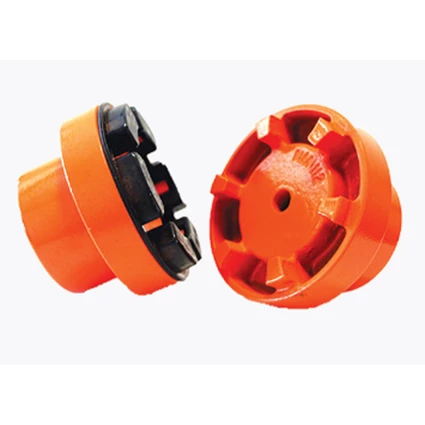
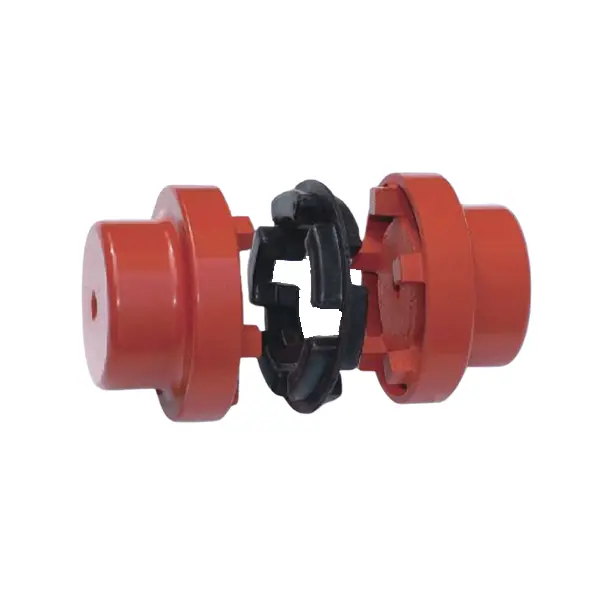
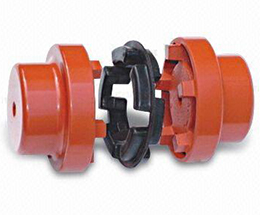
- Jaw Couplings: Jaw couplings feature elastomer spiders that fit between two hubs. They can accommodate angular and parallel misalignment while dampening vibrations.
- Disc Couplings: Disc couplings use thin metallic discs to connect the shafts. They are highly flexible and provide excellent misalignment compensation.
- Gear Couplings: Gear couplings use gear teeth to transmit torque. They offer high torque capacity and can handle moderate misalignment.
- Beam Couplings: Beam couplings use a single piece of flexible material, such as a metal beam, to transmit torque while compensating for misalignment.
- Bellows Couplings: Bellows couplings use a bellows-like structure to allow for axial, angular, and parallel misalignment compensation.
- Oldham Couplings: Oldham couplings use three discs, with the middle one having a perpendicular slot to allow for misalignment compensation.
How a Flexible Coupling Works:
The operation of a flexible coupling depends on its specific design, but the general principles are similar. Let’s take the example of a jaw coupling to explain how a flexible coupling works:
- Two shafts are connected to the coupling hubs on either side, with an elastomer spider placed between them.
- When torque is applied to one shaft, it causes the spider to compress and deform slightly, transmitting the torque to the other shaft.
- In case of misalignment between the shafts, the elastomer spider flexes and compensates for the misalignment, ensuring smooth torque transmission without imposing excessive loads on the shafts or connected equipment.
- The elastomer spider also acts as a damping element, absorbing vibrations and shocks during operation, which reduces wear on the equipment and enhances system stability.
Overall, the flexibility and ability to compensate for misalignment are the key features that allow a flexible coupling to function effectively. The choice of a specific flexible coupling type depends on the application’s requirements, such as torque capacity, misalignment compensation, and environmental conditions.


editor by CX 2023-08-29