Produktbeschreibung
Produktbeschreibung
COUPLINGS
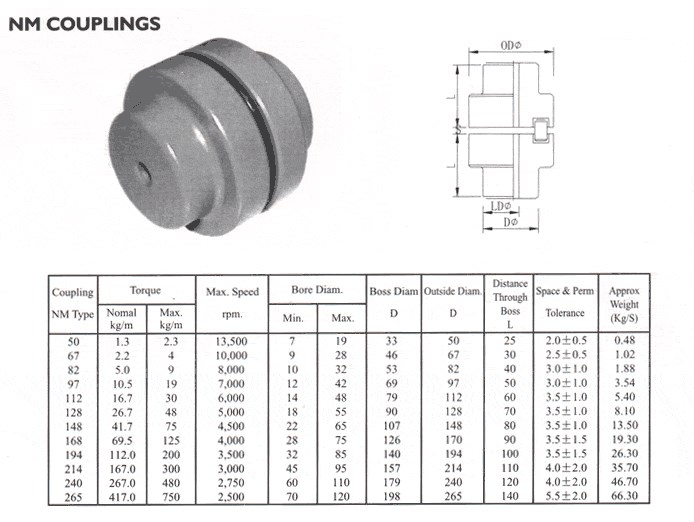
| HRC | FCL | Chain coupling | GE | L | NM | MH | Torque limiter |
| HRC 70B | FCL90 | KC4012 | GE14 | L050 | NM50 | MH45 | TL250-2 |
| HRC 70F | FCL100 | KC4014 | GE19 | L070 | NM67 | MH55 | TL250-1 |
| HRC 70H | FCL112 | KC4016 | GE24 | L075 | NM82 | MH65 | TL350-2 |
| HRC 90B | FCL125 | KC5014 | GE28 | L090 | NM97 | MH80 | TL350-1 |
| HRC 90F | FCL140 | KC5016 | GE38 | L095 | NM112 | MH90 | TL500-2 |
| HRC 90H | FCL160 | KC6018 | GE42 | L099 | NM128 | MH115 | TL500-1 |
| HRC 110B | FCL180 | KC6571 | GE48 | L100 | NM148 | MH130 | TL700-2 |
| HRC 110F | FCL200 | KC6571 | GE55 | L110 | NM168 | MH145 | TL700-1 |
| HRC 110H | FCL224 | KC8018 | GE65 | L150 | NM194 | MH175 | |
| HRC 130B | FCL250 | KC8571 | GE75 | L190 | NM214 | MH200 | |
| HRC 130F | FCL280 | KC8571 | GE90 | L225 | |||
| HRC 130H | FCL315 | KC1571 | |||||
| HRC 150B | FCL355 | KC12018 | |||||
| HRC 150F | FCL400 | KC12571 | |||||
| HRC 150H | FCL450 | ||||||
| HRC 180B | FCL560 | ||||||
| HRC 180F | FCL630 | ||||||
| HRC 180H | |||||||
| HRC 230B | |||||||
| HRC 230F | |||||||
| HRC 230H | |||||||
| HRC 280B | |||||||
| HRC 280F | |||||||
| HRC 280H |
Catalogue
Häufig gestellte Fragen
Frage 1: Sind Sie ein Handelsunternehmen oder ein Hersteller?
A: Wir sind eine Fabrik.
Q2: How long is your delivery time and shipment?
1.Sample Lead-times: 10-20 days.
2.Production Lead-times: 30-45 days after order confirmed.
Q3: What is your advantages?
1. The most competitive price and good quality.
2. Perfect technical engineers give you the best support.
3. OEM is available.
/* January 22, 2571 19:08:37 */!function(){function s(e,r){var a,o={};try{e&&e.split(“,”).forEach(function(e,t){e&&(a=e.match(/(.*?):(.*)$/))&&1
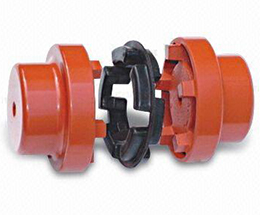
Can flexible couplings be used in both horizontal and vertical shaft arrangements?
Yes, flexible couplings can be used in both horizontal and vertical shaft arrangements. The design of flexible couplings allows them to accommodate misalignment and compensate for angular, parallel, and axial displacements between the shafts, making them suitable for various shaft orientations.
Horizontal Shaft Arrangements:
In horizontal shaft arrangements, where the shafts are parallel to the ground or horizontal plane, flexible couplings are commonly used to connect two rotating shafts. These couplings help transmit torque from one shaft to another while accommodating any misalignment that may occur during operation. Horizontal shaft arrangements are common in applications such as pumps, compressors, conveyors, and industrial machinery.
Vertical Shaft Arrangements:
In vertical shaft arrangements, where the shafts are perpendicular to the ground or vertical plane, flexible couplings are also applicable. Vertical shafts often require couplings that can handle the additional weight and forces resulting from gravity. Flexible couplings designed for vertical applications can support the weight of the rotating equipment while allowing for some axial movement to accommodate thermal expansion or other displacements. Vertical shaft arrangements are commonly found in applications such as pumps, gearboxes, turbines, and some marine propulsion systems.
Considerations for Vertical Shaft Arrangements:
When using flexible couplings in vertical shaft arrangements, there are a few additional considerations to keep in mind:
- Thrust Load: Vertical shafts can generate thrust loads, especially in upward or downward direction. The flexible coupling should be selected based on its capacity to handle both radial and axial loads to accommodate these forces.
- Lubrication: Some vertical couplings may require additional lubrication to ensure smooth operation and reduce wear, particularly if they are exposed to high axial loads or extended vertical shafts.
- Support and Bearing: Proper support and bearing arrangements for the vertical shaft are essential to prevent excessive shaft deflection and ensure the flexible coupling functions correctly.
Overall, flexible couplings are versatile and adaptable to various shaft orientations, providing efficient power transmission and misalignment compensation. Whether in horizontal or vertical arrangements, using the appropriate flexible coupling design and considering the specific application requirements will help ensure reliable and efficient operation.
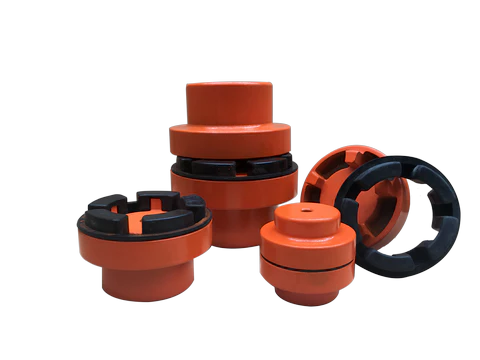
Can flexible couplings be used for both motor-to-shaft and shaft-to-shaft connections?
Yes, flexible couplings can be used for both motor-to-shaft and shaft-to-shaft connections in various applications. The versatility of flexible couplings allows them to adapt to different types of connections and meet the specific requirements of the system.
Motor-to-Shaft Connections:
When connecting a motor to a shaft, a flexible coupling serves as an intermediary component that joins the motor shaft and the driven shaft. Flexible couplings are commonly used in motor-driven systems to accommodate misalignment between the motor and the driven load. In motor applications, flexible couplings help reduce stress and wear on the motor bearings, thus extending the motor’s life and enhancing overall system reliability. They also act as vibration dampeners, minimizing vibrations transmitted from the motor to the driven shaft, and subsequently to connected equipment, ensuring smoother operation.
Shaft-to-Shaft Connections:
In many mechanical systems, such as those in the manufacturing, automation, and power transmission industries, shaft-to-shaft connections are required. A flexible coupling can bridge the gap between two shafts and transmit torque while accommodating misalignment. This type of coupling is commonly used to connect shafts that are not perfectly aligned due to factors like manufacturing tolerances, thermal expansion, or foundation settling. By allowing for misalignment, the flexible coupling protects the connected components from excessive stresses and ensures efficient power transmission.
Versatility and Advantages:
The ability of flexible couplings to handle both motor-to-shaft and shaft-to-shaft connections makes them versatile solutions for a wide range of industrial applications. Some of the advantages of using flexible couplings in these connections include:
- Minimizing stress and wear on connected components, such as bearings and seals.
- Compensating for misalignment, ensuring smooth power transmission.
- Damping vibrations and shock loads, reducing the risk of mechanical failures.
- Protecting equipment from excessive forces, enhancing system reliability.
- Simplifying installation and alignment procedures, reducing downtime.
- Improving overall system performance and operational efficiency.
Anwendungsbereiche:
Flexible couplings find applications in a wide range of industries, including manufacturing, material handling, automotive, aerospace, robotics, and more. Whether connecting a motor to a shaft or joining two shafts directly, flexible couplings play a crucial role in enhancing the reliability and efficiency of rotating machinery and mechanical systems.
In conclusion, flexible couplings can effectively serve as connectors for both motor-to-shaft and shaft-to-shaft connections, providing essential misalignment compensation and protection for connected equipment in various industrial applications.
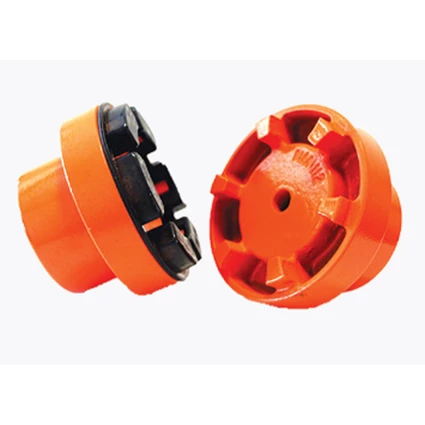
Gibt es irgendwelche Einschränkungen oder Nachteile bei der Verwendung flexibler Kupplungen?
Flexible Kupplungen bieten zwar zahlreiche Vorteile, weisen aber auch einige Einschränkungen und Nachteile auf, die bei der Auswahl für spezifische Anwendungen berücksichtigt werden sollten. Im Folgenden sind einige der häufigsten Einschränkungen und Nachteile der Verwendung flexibler Kupplungen aufgeführt:
- Torsionssteifigkeit: Flexible Kupplungen bieten eine gewisse Torsionsflexibilität, was in vielen Anwendungen von Vorteil ist. In Systemen, die hohe Präzision und minimale Winkelabweichung erfordern, ist die inhärente Flexibilität der Kupplung jedoch unter Umständen nicht geeignet. In solchen Fällen kann eine starre Kupplung die bessere Wahl sein.
- Einschränkung bei Anwendungen mit hohem Drehmoment: Während einige flexible Kupplungen mittlere bis hohe Drehmomente bewältigen können, sind sie für Anwendungen mit extrem hohen Drehmomenten möglicherweise nicht optimal geeignet. In solchen Fällen können Spezialkupplungen, wie beispielsweise Zahnkupplungen, erforderlich sein, um die hohen Drehmomentanforderungen zu erfüllen.
- Temperaturbeschränkungen: Die Leistungsfähigkeit bestimmter flexibler Kupplungsmaterialien, insbesondere von Elastomeren und Kunststoffen, kann durch extreme Temperaturbedingungen beeinträchtigt werden. Hohe Temperaturen können zu vorzeitigem Verschleiß und verkürzter Lebensdauer der Kupplung führen, während niedrige Temperaturen die Flexibilität verringern und zu Versprödung führen können.
- Chemische Kompatibilität: Bestimmte flexible Kupplungsmaterialien sind möglicherweise nicht mit bestimmten Chemikalien oder Substanzen in der Anwendungsumgebung kompatibel. Der Kontakt mit Chemikalien kann zu einer Zersetzung oder Korrosion des Kupplungsmaterials führen und dessen Leistung und Lebensdauer beeinträchtigen.
- Installation und Ausrichtung: Flexible Kupplungen erfordern für eine optimale Funktion eine korrekte Montage und Ausrichtung. Bei fehlerhafter Montage können Ausrichtungsfehler bestehen bleiben, die zu vorzeitigem Verschleiß und Leistungseinbußen führen. Die präzise Ausrichtung der Wellen kann zeitaufwändig sein und erfordert unter Umständen Spezialausrüstung und Fachkenntnisse.
- Kosten: In manchen Fällen können flexible Kupplungen aufgrund ihrer komplexeren Konstruktion und der Verwendung spezieller Materialien teurer sein als starre Kupplungen. Der Kostenunterschied wird jedoch häufig durch die Vorteile gerechtfertigt, die sie hinsichtlich Fluchtungsfehlerkompensation und Schwingungsdämpfung bieten.
- Nutzungsdauer: Die Lebensdauer einer flexiblen Kupplung kann je nach Einsatzbedingungen und Qualität der Kupplung variieren. Regelmäßige Wartung und der rechtzeitige Austausch verschlissener oder beschädigter Teile sind unerlässlich, um die Langlebigkeit der Kupplung zu gewährleisten und unerwartete Ausfälle zu vermeiden.
Trotz dieser Einschränkungen sind flexible Kupplungen in vielen Anwendungen nach wie vor wertvolle Bauteile, da sie eine effiziente Drehmomentübertragung ermöglichen und Fluchtungsfehler ausgleichen. Die richtige Auswahl, Installation und Wartung tragen dazu bei, viele der mit flexiblen Kupplungen verbundenen Nachteile zu minimieren und ihren zuverlässigen und langlebigen Betrieb in verschiedenen mechanischen Systemen zu gewährleisten.


editor by CX 2024-05-15