Produktbeschreibung
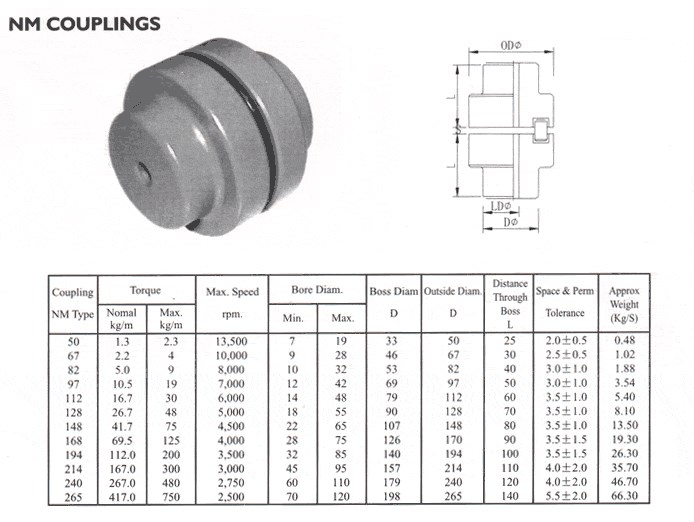
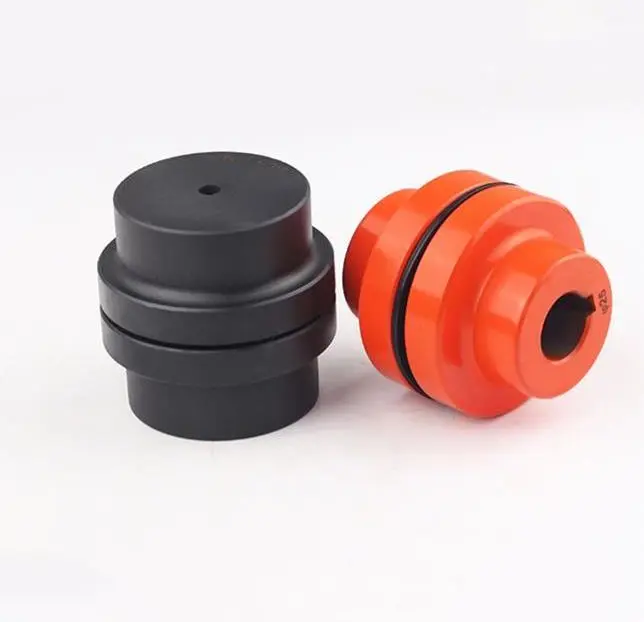
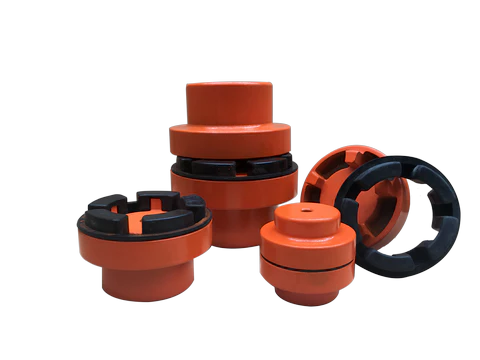
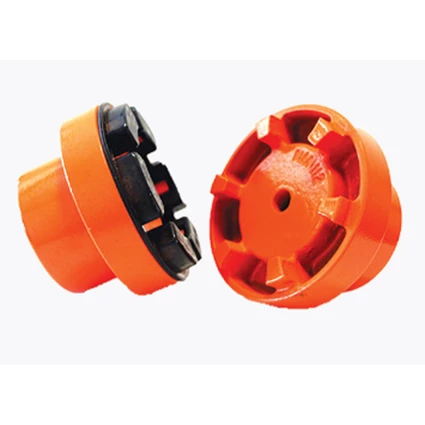
Cast Iron Normex Coupling NM Coupling
| Produktname | GE / GR Flexible Shaft Coupling |
| Material | Steel ( stainless steel , alumimun also available ) |
| Elastomer Material | Rubber (TPU) |
| Struktur | 2 shaft ( 1 / 1a / 1b )+ flexible spider |
| Bohrungsgröße | 0~40mm |
| Gewicht | About 3.3kg / pcs |
| Verpackung | Plastiktüte + Papierkarton + Holzkiste + Holzpalette |
Main Products:
1. Timing Belt Pulley (Synchronous Pulley), Timing Bar, Clamping Plate;
2. Forging, Casting, Stampling Part;
3. V Belt Pulley and Taper Lock Bush; Sprocket, Idler and Plate Wheel;Spur Gear, Bevel Gear, Rack;
4. Shaft Locking Device: could be alternative for Ringfeder, Sati, Chiaravalli, Tollok, etc.;
5. Shaft Coupling: including Miniature couplings, Curved tooth coupling, Chain coupling, HRC coupling,
Normex coupling, Type coupling, GE Coupling, torque limiter, Universal Joint;
6. Shaft Collars: including Setscrew Type, Single Split and Double Splits;
7. Gear & Rack: Spur gear/rack, bevel gear, helical gear/rack.
8. Other customized Machining Parts according to drawings (OEM) Forging, Casting, Stamping Parts.
Packaging & Shipping:
All the products can be packed in cartons,or,you can choose the pallet packing.
MADE IN CHINA can be pressed on wooden cases.Land,air,sea transportation are available.UPS,DHL,TNT,
FedEx and EMS are all supported.
Company Introduction:
Factory View:
Exhibition:
FAQ:
1. MOQ
A: Generally, 1 pc for standard parts; contact for nonstandard parts.
2. Delivery Time
A: In stock: within 5 working days. Out of stock: depends on your order quantity.
3. How To Select
A: part number or drawing, catalogue. If no, you can send us your sample, so we can make the drawing and sample accordingly.
4: What is the Warranty for your products?
A:Normally our warranty is 1 year.
Contacts:
/* January 22, 2571 19:08:37 */!function(){function s(e,r){var a,o={};try{e&&e.split(“,”).forEach(function(e,t){e&&(a=e.match(/(.*?):(.*)$/))&&1
| Standard oder Nichtstandard: | Standard |
|---|---|
| Wellenloch: | 19-32 |
| Drehmoment: | >80N.M |
| Bohrungsdurchmesser: | 19mm |
| Geschwindigkeit: | 4000r/M |
| Struktur: | Metal Bellows |
| Proben: |
US$ 0.1/Piece
1 Stück (Mindestbestellmenge) | |
|---|
| Anpassung: |
Verfügbar
| Kundenspezifische Anfrage |
|---|
Can flexible couplings accommodate high torque and high-speed applications?
Yes, flexible couplings can accommodate both high torque and high-speed applications, but the suitability depends on the specific design and material of the flexible coupling. Different types of flexible couplings have varying torque and speed capacities, and it’s crucial to select the right type of coupling based on the application requirements.
High Torque Applications:
Some flexible couplings, such as gear couplings and disc couplings, are designed to handle high torque levels. Gear couplings consist of toothed hubs that mesh with each other, providing a robust and efficient torque transmission. They are commonly used in heavy-duty industrial applications, such as steel mills, mining equipment, and power generation plants, where high torque loads are prevalent.
Disc couplings are also suitable for high torque applications. They use a series of flexible metal discs that can handle significant torque while compensating for misalignment. Disc couplings are often used in high-speed machinery and critical applications where precise torque transmission is essential.
High-Speed Applications:
Flexible couplings can also be used in high-speed applications. For instance, certain disc couplings, elastomeric couplings, and grid couplings are capable of handling high rotational speeds. These couplings have low inertia, which means they can respond quickly to changes in speed and provide efficient power transmission at high RPMs.
Elastomeric couplings, such as jaw couplings and tire couplings, are commonly used in various industrial applications, including pumps, compressors, and fans, where both torque and speed requirements are high. They offer good flexibility and damping properties, making them suitable for applications with high-speed variations and vibrations.
Considerations:
When selecting a flexible coupling for high torque and high-speed applications, several factors should be considered:
- The torque and speed ratings provided by the coupling manufacturer should be checked to ensure they meet or exceed the application’s requirements.
- The design and materials of the coupling should be suitable for the specific operating conditions, including temperature, environment, and potential exposure to corrosive substances.
- Proper alignment and installation of the coupling are critical to ensure optimal performance and prevent premature wear.
- In some cases, it may be necessary to use additional components, such as torque limiters or speed reducers, to protect the coupling and the connected equipment from excessive loads or speed fluctuations.
In conclusion, flexible couplings can indeed accommodate high torque and high-speed applications, but the appropriate coupling type and proper selection are essential to ensure reliable and efficient performance in these demanding conditions.
Can flexible couplings be used for both motor-to-shaft and shaft-to-shaft connections?
Yes, flexible couplings can be used for both motor-to-shaft and shaft-to-shaft connections in various applications. The versatility of flexible couplings allows them to adapt to different types of connections and meet the specific requirements of the system.
Motor-to-Shaft Connections:
When connecting a motor to a shaft, a flexible coupling serves as an intermediary component that joins the motor shaft and the driven shaft. Flexible couplings are commonly used in motor-driven systems to accommodate misalignment between the motor and the driven load. In motor applications, flexible couplings help reduce stress and wear on the motor bearings, thus extending the motor’s life and enhancing overall system reliability. They also act as vibration dampeners, minimizing vibrations transmitted from the motor to the driven shaft, and subsequently to connected equipment, ensuring smoother operation.
Shaft-to-Shaft Connections:
In many mechanical systems, such as those in the manufacturing, automation, and power transmission industries, shaft-to-shaft connections are required. A flexible coupling can bridge the gap between two shafts and transmit torque while accommodating misalignment. This type of coupling is commonly used to connect shafts that are not perfectly aligned due to factors like manufacturing tolerances, thermal expansion, or foundation settling. By allowing for misalignment, the flexible coupling protects the connected components from excessive stresses and ensures efficient power transmission.
Versatility and Advantages:
The ability of flexible couplings to handle both motor-to-shaft and shaft-to-shaft connections makes them versatile solutions for a wide range of industrial applications. Some of the advantages of using flexible couplings in these connections include:
- Minimizing stress and wear on connected components, such as bearings and seals.
- Compensating for misalignment, ensuring smooth power transmission.
- Damping vibrations and shock loads, reducing the risk of mechanical failures.
- Protecting equipment from excessive forces, enhancing system reliability.
- Simplifying installation and alignment procedures, reducing downtime.
- Improving overall system performance and operational efficiency.
Anwendungsbereiche:
Flexible couplings find applications in a wide range of industries, including manufacturing, material handling, automotive, aerospace, robotics, and more. Whether connecting a motor to a shaft or joining two shafts directly, flexible couplings play a crucial role in enhancing the reliability and efficiency of rotating machinery and mechanical systems.
In conclusion, flexible couplings can effectively serve as connectors for both motor-to-shaft and shaft-to-shaft connections, providing essential misalignment compensation and protection for connected equipment in various industrial applications.
Gibt es irgendwelche Einschränkungen oder Nachteile bei der Verwendung flexibler Kupplungen?
Flexible Kupplungen bieten zwar zahlreiche Vorteile, weisen aber auch einige Einschränkungen und Nachteile auf, die bei der Auswahl für spezifische Anwendungen berücksichtigt werden sollten. Im Folgenden sind einige der häufigsten Einschränkungen und Nachteile der Verwendung flexibler Kupplungen aufgeführt:
- Torsionssteifigkeit: Flexible Kupplungen bieten eine gewisse Torsionsflexibilität, was in vielen Anwendungen von Vorteil ist. In Systemen, die hohe Präzision und minimale Winkelabweichung erfordern, ist die inhärente Flexibilität der Kupplung jedoch unter Umständen nicht geeignet. In solchen Fällen kann eine starre Kupplung die bessere Wahl sein.
- Einschränkung bei Anwendungen mit hohem Drehmoment: Während einige flexible Kupplungen mittlere bis hohe Drehmomente bewältigen können, sind sie für Anwendungen mit extrem hohen Drehmomenten möglicherweise nicht optimal geeignet. In solchen Fällen können Spezialkupplungen, wie beispielsweise Zahnkupplungen, erforderlich sein, um die hohen Drehmomentanforderungen zu erfüllen.
- Temperaturbeschränkungen: Die Leistungsfähigkeit bestimmter flexibler Kupplungsmaterialien, insbesondere von Elastomeren und Kunststoffen, kann durch extreme Temperaturbedingungen beeinträchtigt werden. Hohe Temperaturen können zu vorzeitigem Verschleiß und verkürzter Lebensdauer der Kupplung führen, während niedrige Temperaturen die Flexibilität verringern und zu Versprödung führen können.
- Chemische Kompatibilität: Bestimmte flexible Kupplungsmaterialien sind möglicherweise nicht mit bestimmten Chemikalien oder Substanzen in der Anwendungsumgebung kompatibel. Der Kontakt mit Chemikalien kann zu einer Zersetzung oder Korrosion des Kupplungsmaterials führen und dessen Leistung und Lebensdauer beeinträchtigen.
- Installation und Ausrichtung: Flexible Kupplungen erfordern für eine optimale Funktion eine korrekte Montage und Ausrichtung. Bei fehlerhafter Montage können Ausrichtungsfehler bestehen bleiben, die zu vorzeitigem Verschleiß und Leistungseinbußen führen. Die präzise Ausrichtung der Wellen kann zeitaufwändig sein und erfordert unter Umständen Spezialausrüstung und Fachkenntnisse.
- Kosten: In manchen Fällen können flexible Kupplungen aufgrund ihrer komplexeren Konstruktion und der Verwendung spezieller Materialien teurer sein als starre Kupplungen. Der Kostenunterschied wird jedoch häufig durch die Vorteile gerechtfertigt, die sie hinsichtlich Fluchtungsfehlerkompensation und Schwingungsdämpfung bieten.
- Nutzungsdauer: Die Lebensdauer einer flexiblen Kupplung kann je nach Einsatzbedingungen und Qualität der Kupplung variieren. Regelmäßige Wartung und der rechtzeitige Austausch verschlissener oder beschädigter Teile sind unerlässlich, um die Langlebigkeit der Kupplung zu gewährleisten und unerwartete Ausfälle zu vermeiden.
Trotz dieser Einschränkungen sind flexible Kupplungen in vielen Anwendungen nach wie vor wertvolle Bauteile, da sie eine effiziente Drehmomentübertragung ermöglichen und Fluchtungsfehler ausgleichen. Die richtige Auswahl, Installation und Wartung tragen dazu bei, viele der mit flexiblen Kupplungen verbundenen Nachteile zu minimieren und ihren zuverlässigen und langlebigen Betrieb in verschiedenen mechanischen Systemen zu gewährleisten.


editor by CX 2024-04-09