وصف المنتج
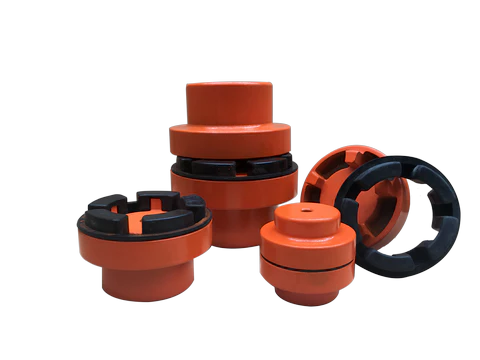
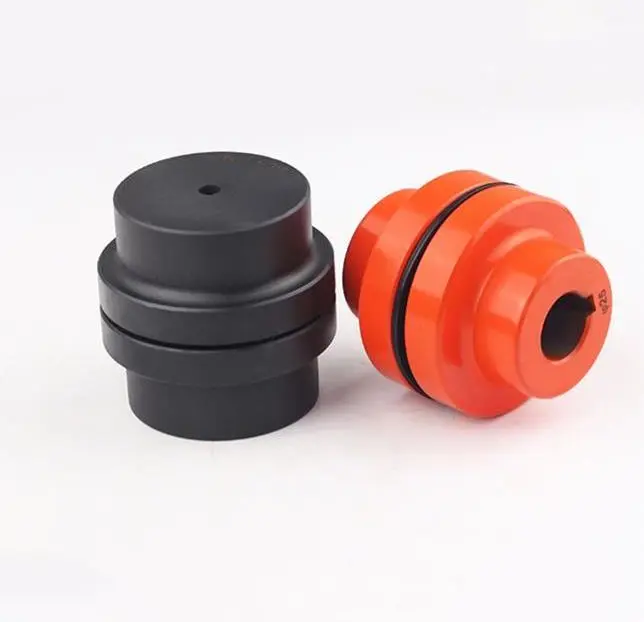
Flexible Cast Iron Forged Steel Quick Release Nm Coupling with Rubber Element Water Pump Motor Shaft Coupling Nm
NM flexible shaft coupling is a cylindrical pin made of some non-metallic materials, which is placed between the 2 sides of the coupling and the inner surface of the outer ring, and a device to transfer the torque through the column pin to realize the connection between 2 half couplings. NM flexible shaft coupling between the slider made of bakelite cloth or polyurethane, suitable for high speed, large torque, no sharp impact of the 2 connections.
Product brand: EVER-POWER
Name of transmission part: water pump coupling
Product structure: it is composed of 2 cast iron claws and a natural rubber inner ring
Suitable shaft diameter: 7mm-75mm
Suitable motor power: within 60hp / 45KW
Product features:
1. The maximum torque is 125kgm 2. Stable operation and low noise 3. The product is made of cast iron and cast by precision die casting, so it is not easy to cause fracture during operation
Related products:
Production workshop:
Company information:
/* January 22, 2571 19:08:37 */!function(){function s(e,r){var a,o={};try{e&&e.split(“,”).forEach(function(e,t){e&&(a=e.match(/(.*?):(.*)$/))&&1
| قياسي أم غير قياسي: | معيار |
|---|---|
| فتحة العمود: | 19-32 |
| عزم الدوران: | >80 ميلًا بحريًا |
| قطر التجويف: | 19 ملم |
| سرعة: | 4000 دورة/دقيقة |
| بناء: | مرن |
| أمثلة: |
US$ 9999/Piece
قطعة واحدة (الحد الأدنى للطلب) | |
|---|
| التخصيص: |
متاح
| طلب مخصص |
|---|

How do flexible couplings compare to other types of couplings in terms of performance?
Flexible couplings offer distinct advantages and disadvantages compared to other types of couplings, making them suitable for specific applications. Here is a comparison of flexible couplings with other commonly used coupling types in terms of performance:
- Rigid Couplings:
Rigid couplings are simple in design and provide a solid connection between two shafts, allowing for precise torque transmission. They do not offer any flexibility and are unable to compensate for misalignment. As a result, rigid couplings require accurate shaft alignment during installation, and any misalignment can lead to premature wear and increased stress on connected equipment. Rigid couplings are best suited for applications where shaft alignment is precise, and misalignment is minimal, such as in well-aligned systems with short shaft spans.
- Flexible Couplings:
Flexible couplings, as discussed previously, excel at compensating for misalignment between shafts. They offer angular, parallel, and axial misalignment compensation, reducing stress on connected components and ensuring smooth power transmission. Flexible couplings are versatile and can handle various applications, from light-duty to heavy-duty, where misalignment, vibration damping, or shock absorption is a concern. They provide a cost-effective solution for many industrial, automotive, and machinery applications.
- Oldham Couplings:
Oldham couplings are effective at compensating for angular misalignment while maintaining constant velocity transmission. They offer low backlash and electrical isolation between shafts, making them suitable for precision motion control and applications where electrical interference must be minimized. However, Oldham couplings have limited capacity to handle parallel or axial misalignment, and they may not be suitable for applications with high torque requirements.
- Gear Couplings:
Gear couplings are robust and can handle high torque levels, making them suitable for heavy-duty applications such as mining and steel mills. They offer good misalignment compensation and have a compact design. However, gear couplings are relatively more expensive and complex than some other coupling types, and they may generate more noise during operation.
- Disc Couplings:
Disc couplings provide excellent misalignment compensation, including angular, parallel, and axial misalignment. They have high torsional stiffness, making them ideal for applications where accurate torque transmission is critical. Disc couplings offer low inertia and are suitable for high-speed applications. However, they may be more sensitive to shaft misalignment during installation, requiring precise alignment for optimal performance.
- Conclusion:
The choice of coupling type depends on the specific requirements of the application. Flexible couplings excel in compensating for misalignment and vibration damping, making them versatile and cost-effective solutions for many applications. However, in situations where high torque, precision, or specific electrical isolation is necessary, other coupling types such as gear couplings, disc couplings, or Oldham couplings may be more suitable. Proper selection, installation, and maintenance of the coupling are essential to ensure optimal performance and reliability in any mechanical system.
How does a flexible coupling affect the noise and vibration levels in a mechanical system?
A flexible coupling plays a crucial role in controlling noise and vibration levels in a mechanical system. It can significantly impact the overall smoothness and quietness of the system’s operation, contributing to enhanced performance and reduced wear on connected components.
Noise Reduction:
Flexible couplings help reduce noise in a mechanical system through their inherent ability to dampen vibrations. When the shafts of rotating machinery are not perfectly aligned, it can lead to vibrations that are transmitted throughout the system, resulting in noise generation. The elastomeric or flexible element of the coupling acts as a vibration dampener, absorbing and dissipating these vibrations. As a result, the noise levels in the system are reduced, creating a quieter operating environment.
تخميد الاهتزازات:
Vibrations in a mechanical system can lead to increased wear and tear on critical components, such as bearings, seals, and gears. Excessive vibrations can also cause resonance and damage to the system over time. Flexible couplings can effectively dampen vibrations by acting as a buffer between the driving and driven shafts. The flexible element absorbs the shock and vibrations, preventing them from propagating to other parts of the system. This vibration damping capability not only reduces noise but also protects the system from potential mechanical failures, extending the lifespan of the equipment.
Alignment Compensation:
Misalignment between shafts is a common cause of vibration and noise in rotating machinery. Flexible couplings excel at compensating for both angular and parallel misalignment. By accommodating misalignment, the coupling reduces the forces acting on the shafts and minimizes the generation of vibrations and noise. Proper alignment through the use of a flexible coupling ensures that the system operates smoothly and quietly.
Effect on Equipment Reliability:
Reducing noise and vibration levels has a positive impact on the reliability of connected equipment. Lower vibrations mean less stress on bearings and other rotating components, leading to extended component life and reduced maintenance requirements. A quieter operating environment can also be essential for certain applications, such as in laboratories or precision manufacturing processes, where excessive noise can interfere with delicate tasks or measurements.
Applications:
Flexible couplings find application in a wide range of industries, such as manufacturing, power generation, material handling, automotive, aerospace, and robotics. They are commonly used in pumps, compressors, fans, conveyors, and other rotating machinery where noise and vibration control are critical for smooth and reliable operation.
Summary:
A flexible coupling’s ability to reduce noise and dampen vibrations makes it an essential component in mechanical systems. By compensating for misalignment and providing vibration dampening properties, the flexible coupling enhances the overall system performance, reduces noise levels, and protects connected equipment from excessive wear and mechanical failures. Choosing the right type of flexible coupling based on the specific application requirements can have a significant impact on noise reduction and vibration control in the mechanical system.
كيف تختار وصلة مرنة مناسبة لتطبيق معين؟
يتطلب اختيار الوصلة المرنة المناسبة لتطبيق معين دراسة متأنية لعوامل متعددة لضمان الأداء الأمثل والموثوقية وطول العمر. فيما يلي الخطوات الرئيسية لاختيار الوصلة المرنة المناسبة:
- متطلبات التقديم: فهم المتطلبات المحددة للتطبيق، بما في ذلك مواصفات عزم الدوران والسرعة، وظروف عدم المحاذاة، وبيئة التشغيل (مثل درجة الحرارة والرطوبة ووجود المواد المسببة للتآكل)، وقيود المساحة.
- قدرة عزم الدوران: حدد أقصى عزم دوران يجب أن ينقله الوصل. اختر وصلة مرنة ذات قدرة عزم دوران تتجاوز متطلبات التطبيق لضمان هامش أمان ومنع التلف المبكر.
- تعويض عدم المحاذاة: ضع في اعتبارك نوع وحجم عدم المحاذاة الذي يجب أن يتحمله الوصل. توفر تصميمات الوصلات المختلفة درجات متفاوتة من تعويض عدم المحاذاة. اختر وصلة قادرة على التعامل مع عدم المحاذاة المتوقع في النظام.
- تخميد الاهتزازات: إذا كان التطبيق ينطوي على اهتزازات كبيرة، فاختر وصلة مرنة ذات خصائص تخميد جيدة لتقليل انتقال الاهتزاز إلى المعدات المتصلة وتحسين استقرار النظام.
- العوامل البيئية: ضع في اعتبارك الظروف البيئية التي سيعمل فيها جهاز التوصيل. في البيئات القاسية، يُنصح باستخدام أجهزة توصيل مصنوعة من مواد مقاومة للتآكل.
- الصلابة الالتوائية: بناءً على متطلبات التطبيق، حدد صلابة الالتواء المطلوبة للوصلة. قد تتطلب بعض التطبيقات صلابة التواء عالية للتحكم الدقيق في الحركة، بينما قد تستفيد تطبيقات أخرى من وصلة أكثر مرونة لامتصاص الصدمات.
- اعتبارات التكلفة ودورة الحياة: قم بتقييم فعالية التكلفة الإجمالية للوصلة على مدار دورة حياتها المتوقعة. ضع في اعتبارك عوامل مثل التكلفة الأولية، ومتطلبات الصيانة، وتكاليف التوقف المحتملة المرتبطة باستبدال الوصلة.
- توصيات الشركة المصنعة: استشر الشركات المصنعة للوصلات ومواصفاتها الفنية للتأكد من أن الوصلة المختارة مناسبة للتطبيق المقصود.
- التركيب والصيانة: تأكد من توافق وصلة الربط المرنة المختارة مع المعدات وأحجام الأعمدة. اتبع إرشادات التركيب الخاصة بالشركة المصنعة وممارسات الصيانة الموصى بها لضمان أقصى أداء لوصلة الربط وإطالة عمرها.
باتباع هذه الخطوات وتقييم متطلبات التطبيق بدقة، يمكنك اختيار وصلة مرنة مناسبة لاحتياجاتك الخاصة. سيؤدي اختيار الوصلة المناسبة إلى تحسين أداء النظام، وتقليل تآكل المعدات، وتعزيز الموثوقية العامة في مختلف الأنظمة الميكانيكية والآلات الدوارة.


editor by CX 2024-05-06