وصف المنتج
Industrial Couplings Transmission Parts Flange Rigid Pin Spacer HRC Mh Nm Fenaflex Spacer Motor Shaft Universal Half Oldham Tyre Drive Industrial Couplings
Application of Industrial Couplings
Industrial couplings are mechanical devices that are used to transmit torque and power from 1 shaft to another. They are used in a wide variety of industries, including:
- Material handling: Industrial couplings are used in material handling equipment, such as conveyor belts, elevators, and cranes.
- Power generation: Industrial couplings are used in power generation equipment, such as turbines and generators.
- Process industries: Industrial couplings are used in process industries, such as chemical plants and refineries.
- Machine tools: Industrial couplings are used in machine tools, such as lathes and milling machines.
- Transportation: Industrial couplings are used in transportation equipment, such as ships, trains, and airplanes.
There are many different types of industrial couplings, each with its own advantages and disadvantages. The type of coupling that is best suited for a particular application will depend on a number of factors, including the amount of torque that needs to be transmitted, the misalignment between the shafts, and the environmental conditions.
Some of the most common types of industrial couplings include:
- Jaw couplings: Jaw couplings are simple and rugged couplings that are easy to install and maintain. They are well suited for applications where there is a risk of misalignment.
- Gear couplings: Gear couplings are more expensive than jaw couplings, but they can transmit more torque and are less susceptible to misalignment.
- Hirth couplings: Hirth couplings are the most expensive type of industrial coupling, but they can transmit the most torque and are the least susceptible to misalignment.
Industrial couplings are an essential part of many industrial machines and systems. They play a vital role in the transmission of torque and power, and they help to ensure the safe and efficient operation of these machines and systems.
Here are some additional benefits of using industrial couplings:
- Increased efficiency: Industrial couplings can help to improve the efficiency of machines and systems by reducing friction and vibration.
- Reduced downtime: Industrial couplings can help to reduce downtime by preventing damage to machines and systems.
- Improved safety: Industrial couplings can help to improve safety by preventing machines and systems from becoming overloaded.
Overall, industrial couplings offer a number of benefits that can help to improve the efficiency, safety, and reliability of machines and systems.
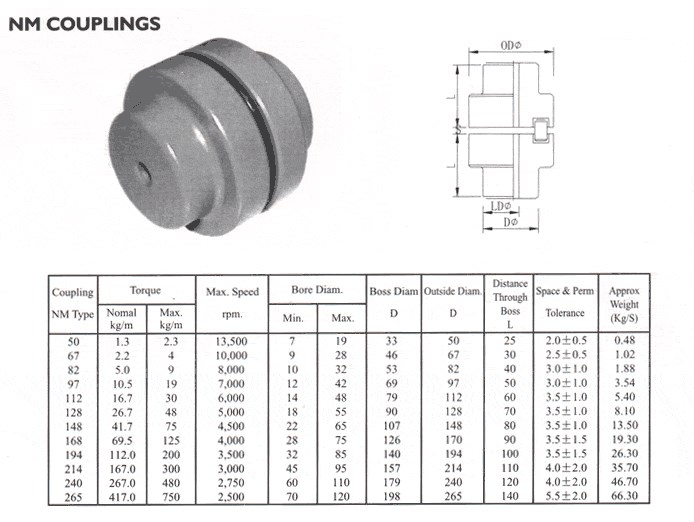
| قياسي أم غير قياسي: | معيار |
|---|---|
| فتحة العمود: | 19-32 |
| عزم الدوران: | >80 ميلًا بحريًا |
| قطر التجويف: | 19 ملم |
| سرعة: | 4000 دورة/دقيقة |
| بناء: | مرن |
| أمثلة: |
US$ 9999/Piece
قطعة واحدة (الحد الأدنى للطلب) | |
|---|
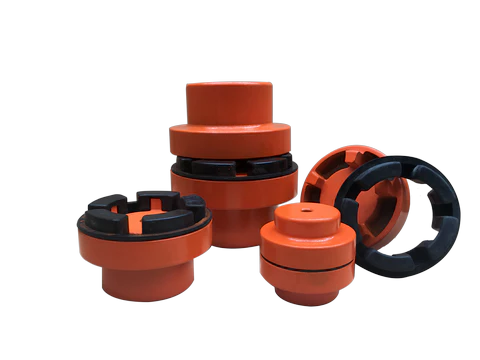
What industries commonly use flexible couplings for power transmission?
Flexible couplings are widely used in various industries for power transmission and motion control applications. Their ability to accommodate misalignment, dampen vibrations, and protect equipment from shock loads makes them valuable components in many industrial processes. Here are some of the industries that commonly utilize flexible couplings:
- Manufacturing: Flexible couplings are extensively used in manufacturing industries such as automotive, aerospace, electronics, and consumer goods production. They play a critical role in transmitting power between motors and various machinery, including conveyor systems, robots, and assembly lines.
- Oil and Gas: In the oil and gas industry, flexible couplings are used in pumps, compressors, turbines, and generators. They help transfer power in offshore platforms, refineries, pipelines, and drilling operations while compensating for the dynamic nature of these applications.
- Power Generation: Power plants, both conventional and renewable, rely on flexible couplings to transmit power from turbines and generators to electrical generators. They are used in coal-fired, natural gas, nuclear, hydroelectric, and wind power plants.
- Mining: In mining operations, flexible couplings are employed in various equipment, including conveyor systems, crushers, and large industrial pumps. They are designed to withstand the heavy loads and harsh conditions commonly found in mining environments.
- Marine: Flexible couplings are essential in marine propulsion systems, connecting engines to propellers or water jets. They also find use in shipboard machinery, auxiliary systems, and offshore applications.
- Pulp and Paper: The pulp and paper industry relies on flexible couplings in machinery used for wood processing, pulp production, papermaking, and printing processes.
- Chemical and Petrochemical: In chemical plants and petrochemical refineries, flexible couplings are utilized in pumps, mixers, agitators, and other rotating equipment to ensure efficient power transmission and protect sensitive machinery.
- Construction: The construction industry employs flexible couplings in various equipment, such as concrete pumps, cranes, excavators, and drilling machines.
- Water and Wastewater: Flexible couplings are used in water treatment plants, wastewater facilities, and irrigation systems to transfer power between motors and pumps.
- Agriculture: In agricultural machinery, flexible couplings are utilized in tractors, harvesters, and irrigation systems, enabling efficient power transmission and operation.
The versatility and adaptability of flexible couplings make them indispensable components in a wide range of industries, contributing to increased equipment reliability, reduced downtime, and improved overall system performance.
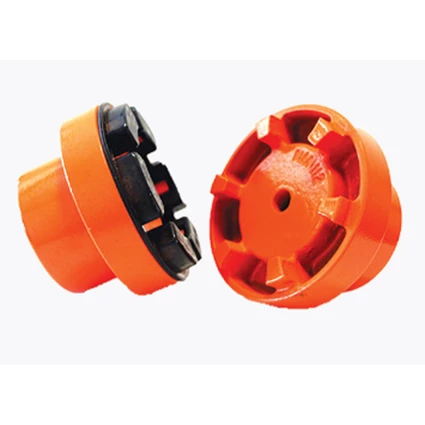
ما هي العوامل التي يجب مراعاتها عند اختيار وصلة مرنة لنظام معين؟
يتطلب اختيار الوصلة المرنة المناسبة لنظام معين دراسة متأنية لعدة عوامل. فيما يلي أهم العوامل التي يجب مراعاتها:
- 1. متطلبات عدم المحاذاة: قيّم نوع وحجم عدم المحاذاة المتوقع في النظام. صُممت وصلات مختلفة للتعامل مع أنواع محددة من عدم المحاذاة، مثل عدم المحاذاة الزاوية أو المتوازية أو المحورية. اختر وصلة قادرة على استيعاب عدم المحاذاة المتوقع لمنع التآكل المبكر والتلف.
- 2. قدرة عزم الدوران: حدد سعة عزم الدوران المطلوبة للوصلة لضمان قدرتها على نقل الطاقة اللازمة بين الأعمدة. ضع في اعتبارك أحمال عزم الدوران المستمرة والقصوى التي قد يتعرض لها النظام.
- 3. سرعة التشغيل: يجب مراعاة سرعة دوران النظام. قد تتطلب التطبيقات عالية السرعة وصلات قادرة على تحمل قوى الطرد المركزي الإضافية ومتطلبات التوازن.
- 4. نطاق درجة الحرارة: ضع في اعتبارك نطاق درجة حرارة تشغيل النظام. اختر مادة وصلة يمكنها تحمل درجات الحرارة التي تواجهها دون أن تفقد خصائصها الميكانيكية.
- 5. البيئة والظروف: قم بتقييم الظروف البيئية التي سيتم استخدام الوصلة فيها، مثل التعرض للرطوبة أو المواد الكيميائية أو الغبار أو المواد المسببة للتآكل. اختر مادة وصلة متوافقة مع بيئة التشغيل.
- 6. قيود المساحة: قم بتقييم المساحة المتاحة لتركيب الوصلة. تتميز بعض الوصلات بتصميمات مدمجة مناسبة للتطبيقات ذات المساحة المحدودة.
- 7. التركيب والصيانة: ضع في اعتبارك سهولة التركيب والصيانة. قد تتطلب بعض الوصلات أدوات خاصة أو تفكيكًا للصيانة، بينما توفر وصلات أخرى تركيبًا سريعًا وبسيطًا.
- 8. الصلابة الالتوائية: قم بتقييم صلابة الالتواء للوصلة. يُعد التوازن بين المرونة والصلابة أمرًا ضروريًا لمنع الاهتزازات الالتوائية المفرطة مع استيعاب عدم المحاذاة.
- 9. تخميد الصدمات والاهتزازات: بالنسبة للتطبيقات التي تتعرض لأحمال صدمات عالية أو اهتزازات، اختر وصلة ذات خصائص تخميد ممتازة لحماية النظام من القوى المفرطة.
- 10. التكلفة والميزانية: قارن تكلفة وصلة الربط بالميزانية الإجمالية للنظام. ضع في اعتبارك التكاليف المترتبة على المدى الطويل، بما في ذلك نفقات الصيانة والاستبدال.
في نهاية المطاف، ينبغي أن يتوافق اختيار وصلة مرنة مع المتطلبات المحددة وظروف تشغيل النظام. ويمكن أن توفر استشارة مصنعي الوصلات أو الخبراء الهندسيين رؤى قيّمة لضمان الاختيار الأمثل للوصلة التي تعزز أداء النظام وموثوقيته وكفاءته.
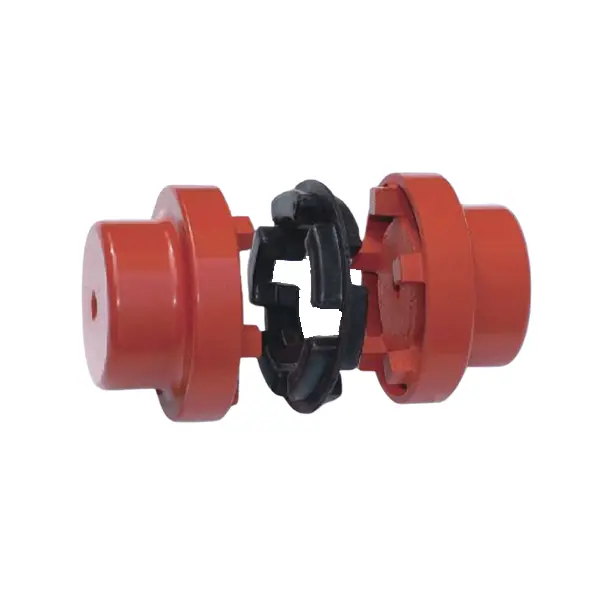
What materials are commonly used in manufacturing flexible couplings?
Flexible couplings are manufactured using a variety of materials, each offering different properties and characteristics suited for specific applications. The choice of material depends on factors such as the application’s requirements, environmental conditions, torque capacity, and desired flexibility. Here are some of the commonly used materials in manufacturing flexible couplings:
- Steel: Steel is a widely used material in flexible couplings due to its strength, durability, and excellent torque transmission capabilities. Steel couplings are suitable for heavy-duty industrial applications with high torque requirements and harsh operating conditions.
- Stainless Steel: Stainless steel is often used to manufacture flexible couplings in environments with high corrosion potential. Stainless steel couplings offer excellent resistance to rust and other corrosive elements, making them ideal for marine, food processing, and chemical industry applications.
- Aluminum: Aluminum couplings are lightweight, have low inertia, and provide excellent balance. They are commonly used in applications where reducing weight is critical, such as aerospace and robotics.
- Brass: Brass couplings are known for their electrical conductivity and are used in applications where electrical grounding or electrical isolation is required, such as in certain industrial machinery or electronics equipment.
- Cast Iron: Cast iron couplings offer good strength and durability and are often used in industrial applications where resistance to shock loads and vibrations is necessary.
- Plastic/Polymer: Some flexible couplings use high-performance polymers or plastics, such as polyurethane or nylon. These materials provide good flexibility, low friction, and resistance to chemicals. Plastic couplings are suitable for applications where corrosion resistance and lightweight are essential.
- Elastomers: Elastomers are used as the flexible elements in many flexible couplings. Materials like natural rubber, neoprene, or urethane are commonly used as elastomer spider elements, providing flexibility and vibration damping properties.
The selection of the coupling material depends on the specific needs of the application. For instance, high-performance and heavy-duty applications may require steel or stainless steel couplings for their robustness, while applications where weight reduction is crucial may benefit from aluminum or polymer couplings. Additionally, the choice of material is influenced by factors such as temperature range, chemical exposure, and electrical requirements in the application’s operating environment.
Manufacturers typically provide material specifications for their couplings, helping users make informed decisions based on the specific demands of their applications.


editor by CX 2023-08-04